Background & Precision Electronics Demand:
Vietnam has emerged as a global hub for semiconductor assembly and testing, driving exponential demand for IC trays and precision electronics packaging. These often use carbon-loaded or permanent anti-static (ESD) PS materials. The challenge lies in the fact that ESD coatings are easily damaged under the high temperatures and pressures of thermoforming, leading to localized resistance failure and potential electrostatic discharge (ESD) damage to expensive chips.
Conflicts in Precision Manufacturing:
The client faced a dilemma: at high speeds, friction between metal molds and the sheet generated tens of thousands of volts of induced static. Without a powerful neutralization system, the machine faced material jams due to static adhesion. Additionally, ESD PS is highly sensitive to pressure; uneven pressure leads to micro-deformations in the tray pockets, making them incompatible with automated Pick-and-Place machines.
Jiacheng’s Micro-Level Control Solution:
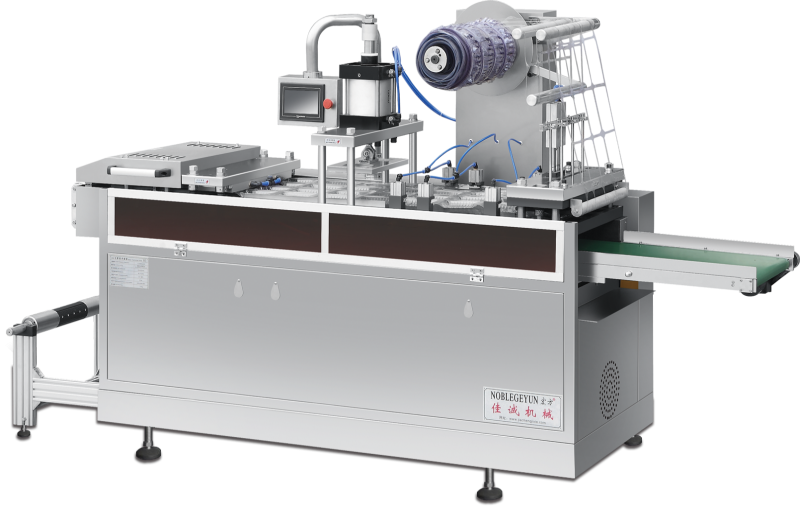
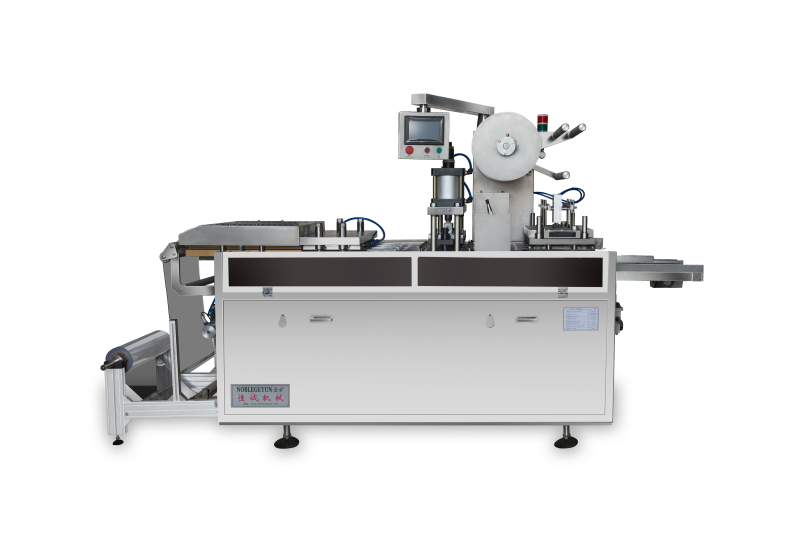
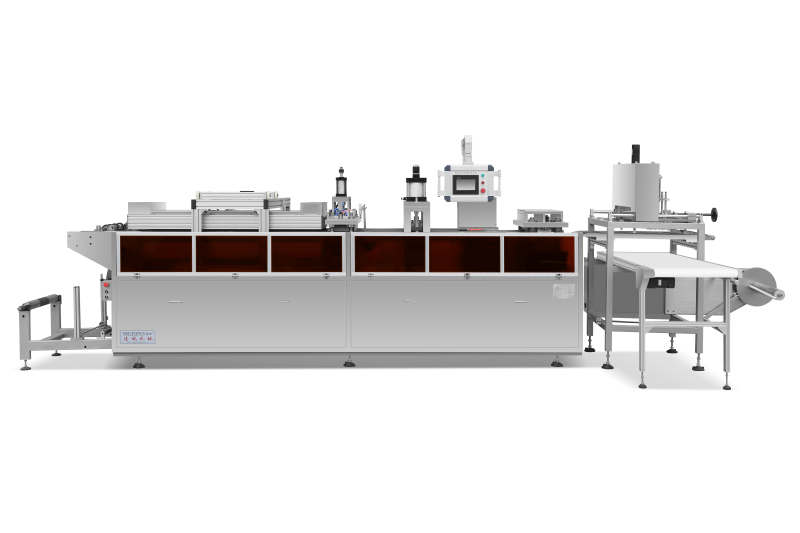
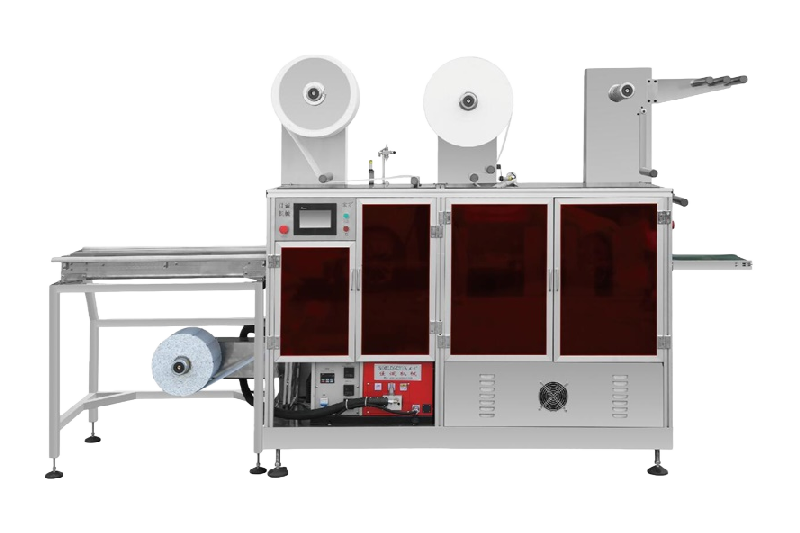
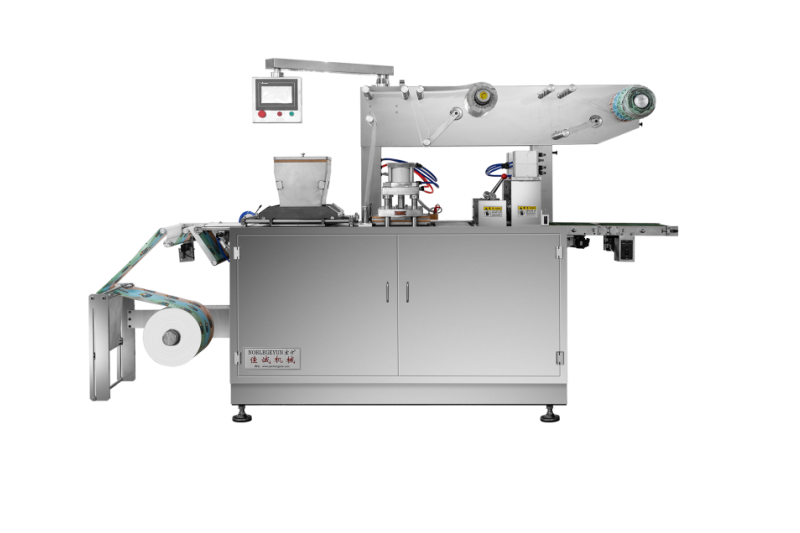
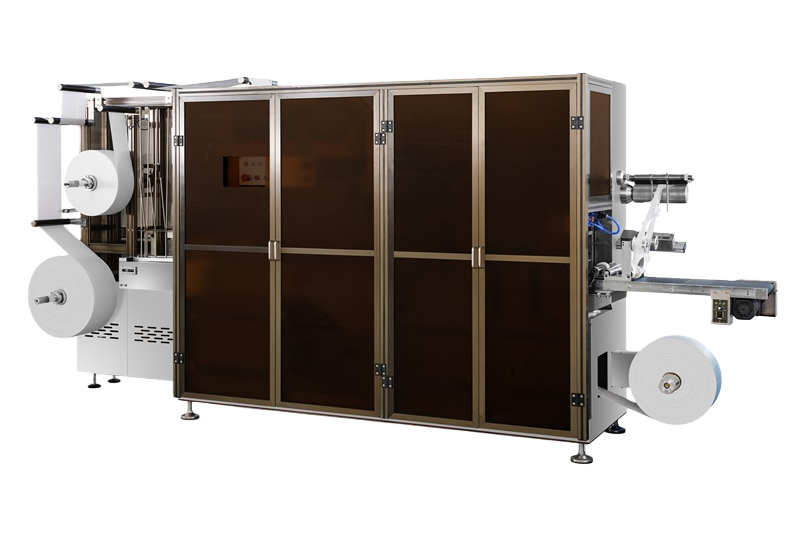
We developed the JC-Precision ESD Series forming machine.
Active Ion Neutralization: High-frequency AC ion bars were installed at four critical nodes—feeding, forming, punching, and stacking—to monitor and neutralize surface charges in real-time, ensuring the entire process stays below a 50V potential.
Low-Pressure High-Speed Forming: By optimizing the pneumatic circuits, we achieved ultra-fast forming at lower air pressures, minimizing mechanical damage to the ESD layer on the material surface.
High-Precision Mold Guidance: The molds use a four-column precision guidance system, ensuring an alignment tolerance of less than 0.01mm. This guarantees that every pocket’s geometric dimensions are identical, perfectly suited for high-precision robotic arm picking.
Client Feedback & Results:
Yield Consistency: In a follow-up visit one year after delivery to the Vietnam plant, the client reported a 100% pass rate in static property sampling.
Efficiency Boost: By eliminating material jams caused by static adhesion, the Overall Equipment Effectiveness (OEE) rose to 92%.

 EN
EN