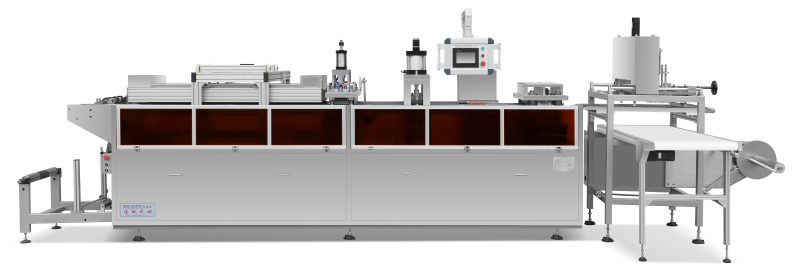
In the competitive landscape of disposable heating products, the reliability of a warm pad is defined by its chemical composition and structural integrity. For manufacturers and export managers, effective Raw Material Sourcing is not merely a procure...
VIEW MORE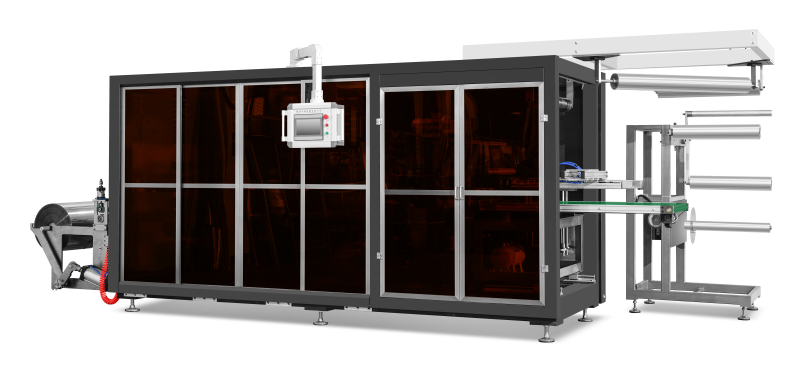
Protecting Your Investment: The Maintenance Checklist In the precision-driven environment of high-speed plastic production, the longevity of your Mold Cutting Blades is a primary indicator of operational efficiency. Achieving a clean I...
VIEW MORE
The Scientific Necessity of Mold Venting In the precision-driven world of thermoforming, the quality of the final part is often decided by the invisible movement of air. Effective Mold Venting is the only way to prevent Air Entrapment, which can caus...
VIEW MORE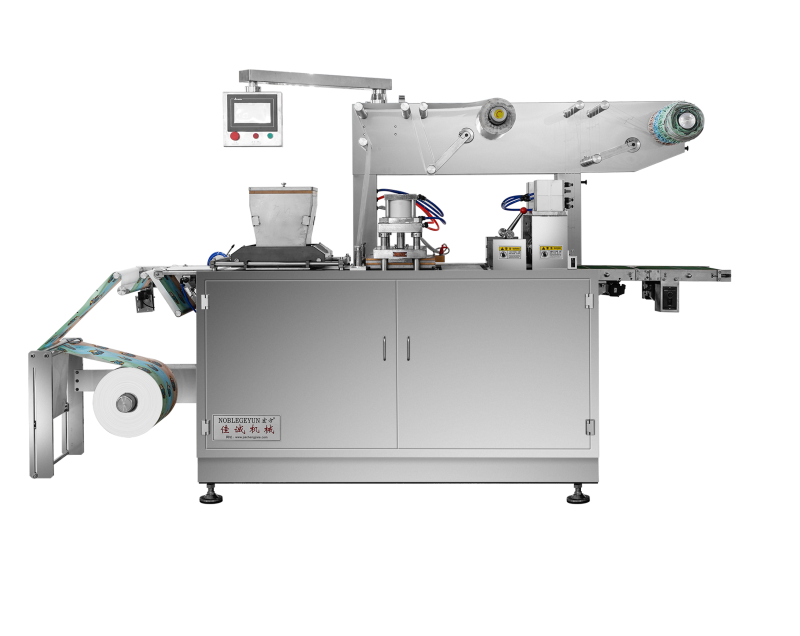
The Industrial Logic of Multi-Row Packaging In the highly seasonal world of heat therapy products, the ability to scale up production is the ultimate competitive advantage. Adopting a Multi-Row Packaging system is a strategic leap for any large-scale...
VIEW MORE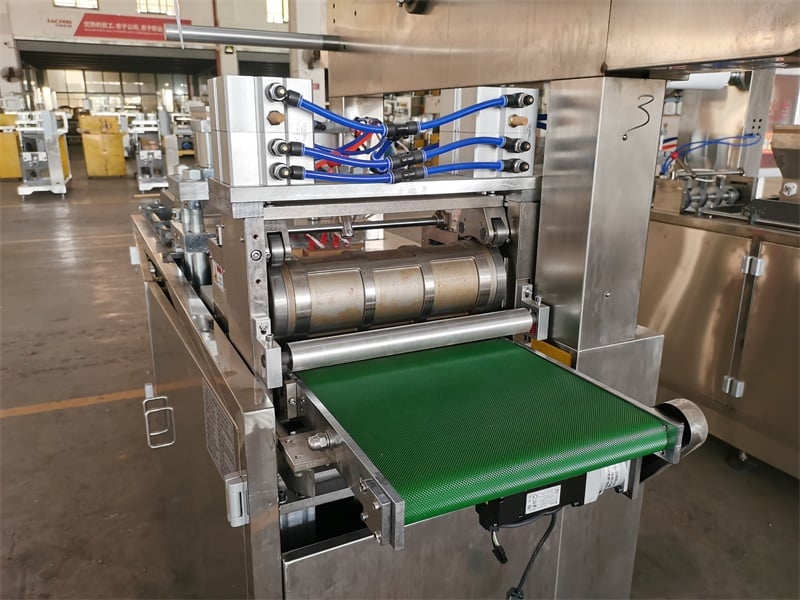
The Role of Automatic Powder Feeding in Industrial Scale-up In the world of disposable thermal therapy, the precision of the exothermic mixture is the ultimate factor that determines the consumer's safety and comfort. Transitioning to an Automatic Po...
VIEW MORE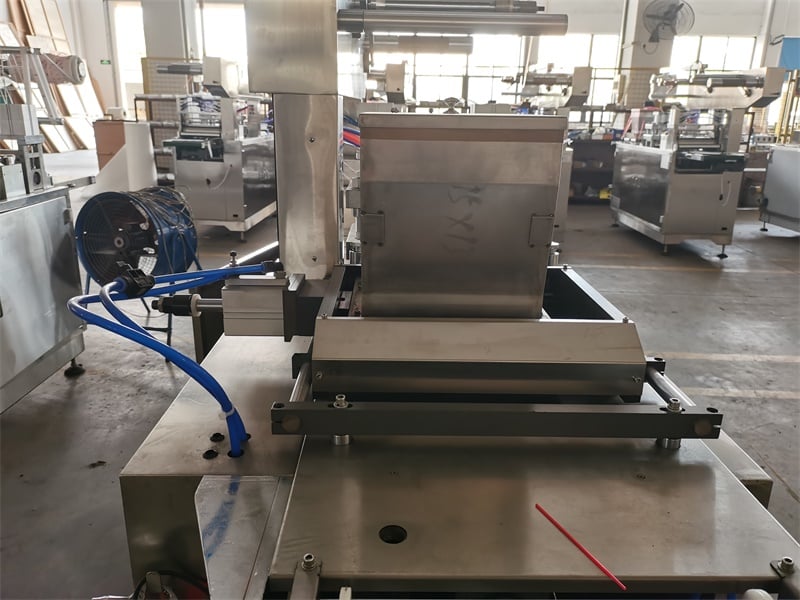
The Foundation of Plastic Forming: Sheet Extrusion In the competitive world of plastic packaging, the quality of your Sheet Extrusion is the primary indicator of your final product's success. For any modern thermoforming line, integrating an Inline E...
VIEW MORE
The Strategic Cycle of the Winter Season In the global heat pack industry, the Winter Season is the ultimate test of a manufacturer's operational strength. Success during the Winter Season is not determined in December; it is determined months earlie...
VIEW MORE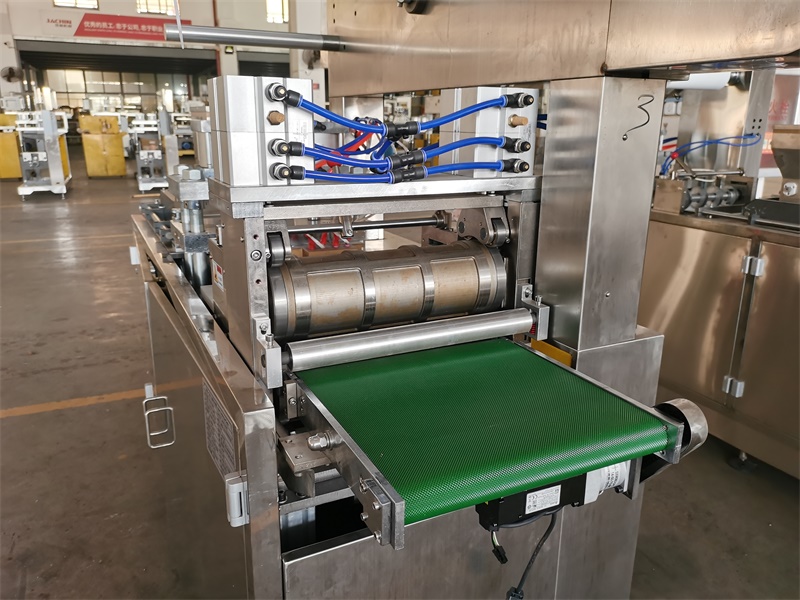
The Sustainability Mandate in Wellness The demand for Eco-Friendly products has fundamentally changed the landscape of the heat pack industry. Every new Innovation in this space focuses on replacing synthetic fibers with high-performance Biodegradabl...
VIEW MORE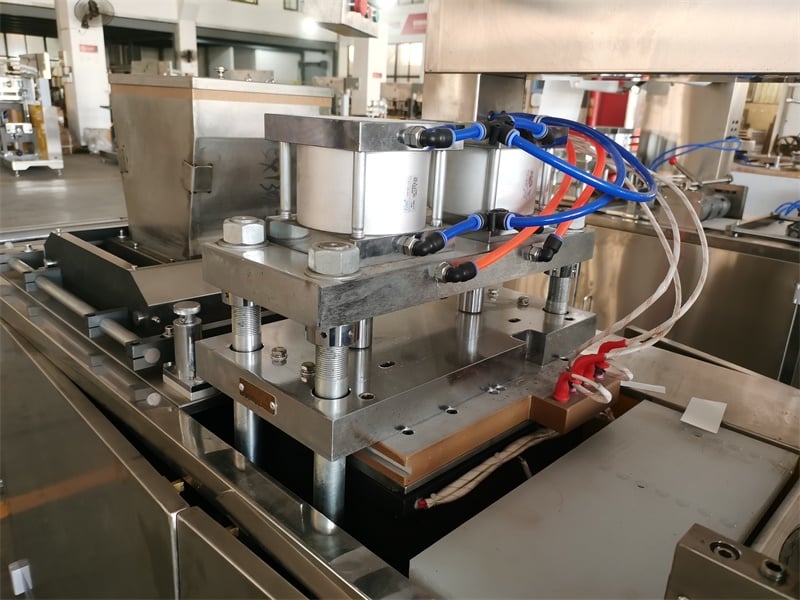
The Strategic Value of Nitrogen Flushing In the highly competitive world of thermal therapy products, the shelf life of a heat pack is a primary differentiator. Integrating Nitrogen Flushing into your Packaging Technology is a sophisticated move that...
VIEW MORE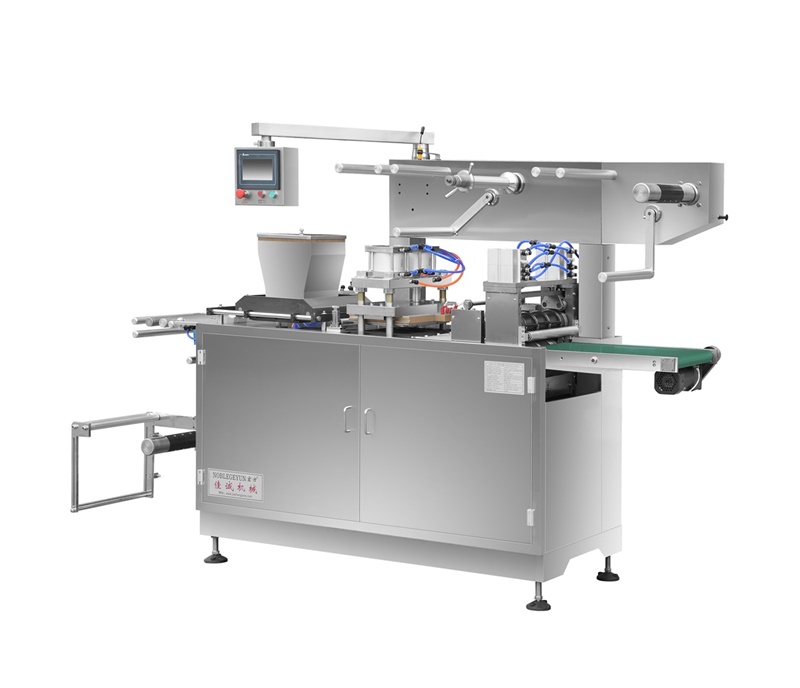
Introduction to High-Speed Assembly Logic In a modern disposable heat pack factory, the operational rhythm is dictated by the seamless movement of materials across the factory floor. Achieving optimal Conveyor Speeds is not merely a matter of motor f...
VIEW MORE
 EN
EN