
 EN
EN
European packaging converters entered August 2026 facing a supply problem that no amount of machinery investment can solve alone: there is not enough food-grade recycled PET to meet the demand that regulation has created.
Under the EU's Packaging and Packaging Waste Regulation, which applies generally from 12 August 2026, all packaging must be designed for recyclability, and food-contact packaging must not exceed PFAS limits. The regulation locks in recycled-content targets of 30% for contact-sensitive PET packaging by 2030, scaling further toward 2040. In parallel, recycled plastics for food contact must come from recycling processes authorized under Regulation (EU) 2022/1616, constraining the supplier pool to a certified list.
Demand outstrips supply
Analysts tracking the packaging value chain note that every major food brand with a European presence is now competing for the same pool of certified rPET sheet and resin. The result is structural: rPET trades at a persistent premium over virgin PET, allocations favor large-volume buyers, and smaller converters report difficulty locking in multi-month supply agreements. Some are hedging by qualifying multiple sheet suppliers; others are investing in in-house scrap recycling loops, grinding post-industrial trim scrap and re-extruding it as sheet with documented chain of custody.
Processing recycled sheet is harder
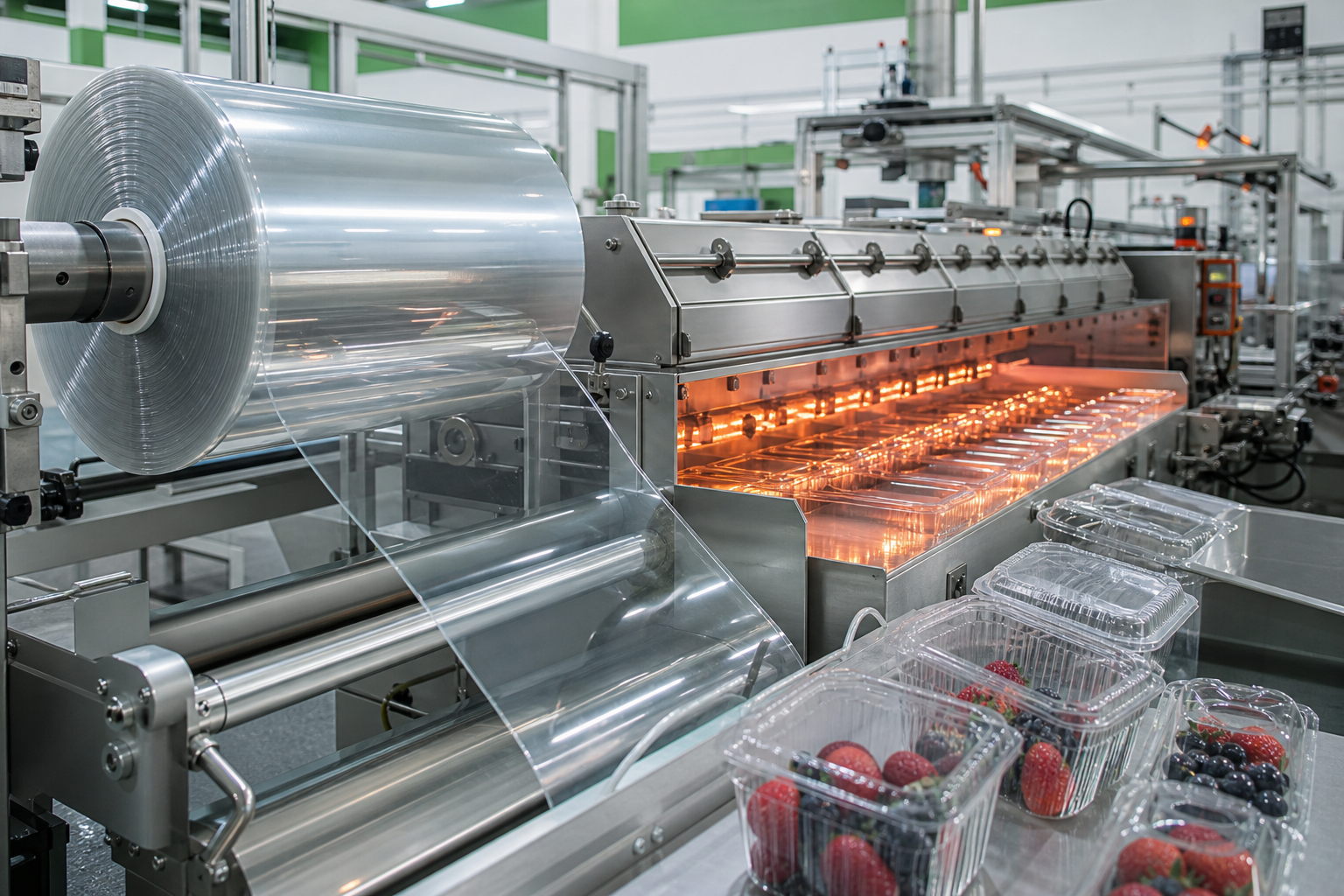
The second-order challenge is technical. Recycled PET is not virgin PET with a sustainability label. Batch-to-batch variation in intrinsic viscosity, residual moisture and color means that sheet from one lot can behave differently from the next on the same machine. Converters running high recycled content report needing tighter oven control, more frequent parameter adjustment and better-forming consistency than their legacy equipment was designed to deliver.
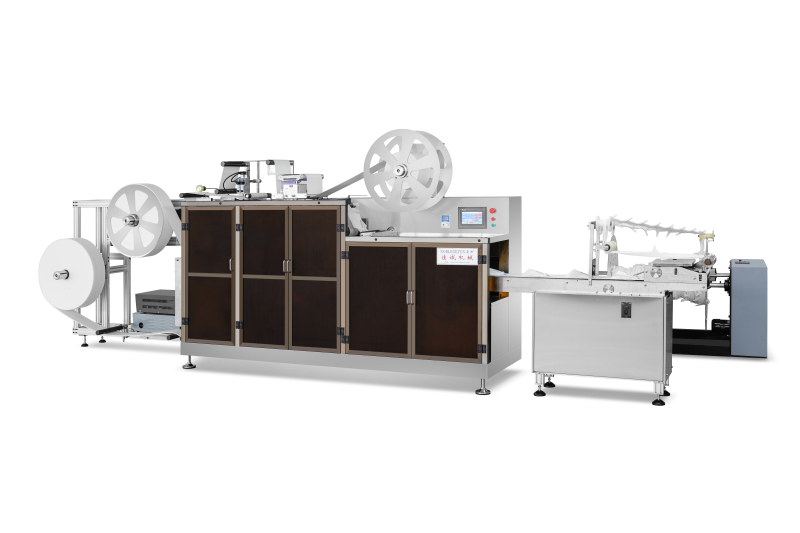
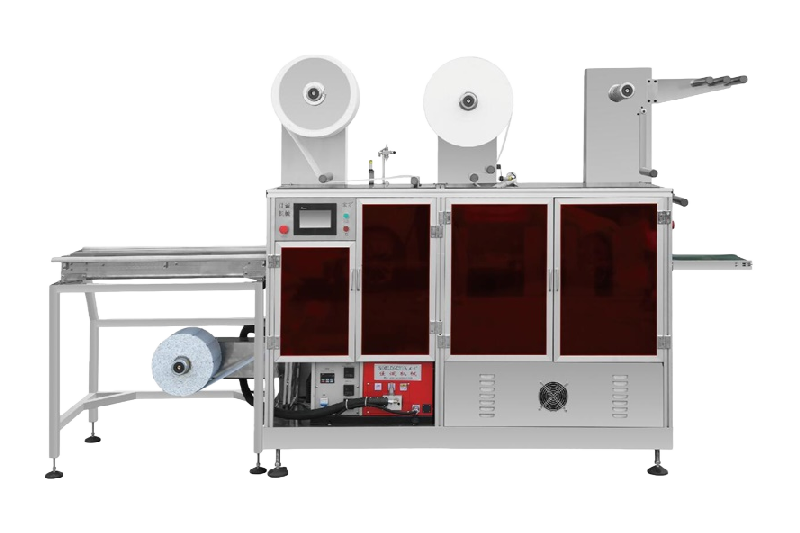
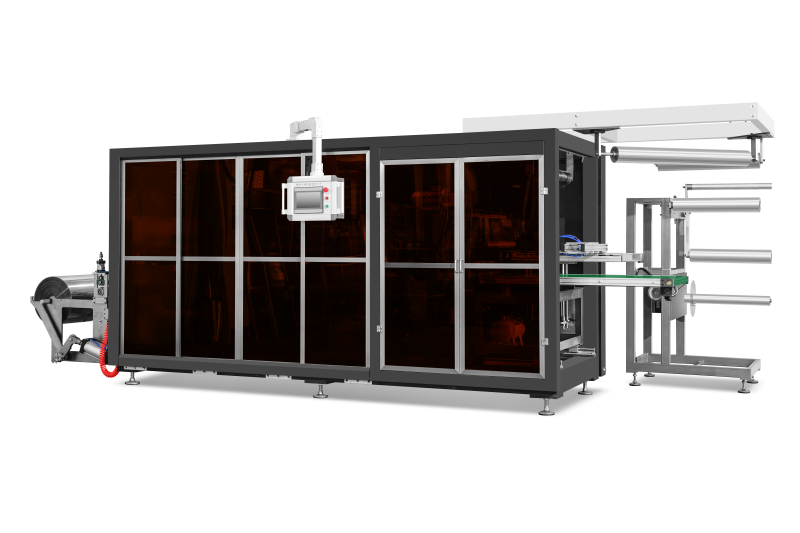
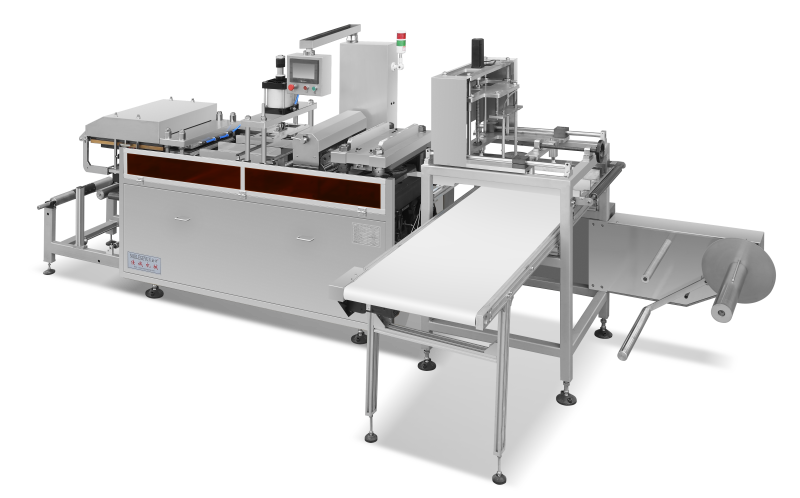
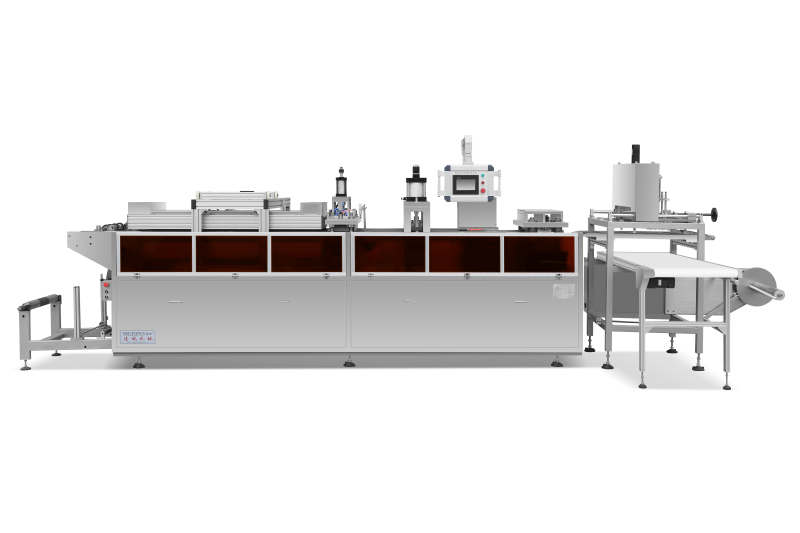
This is pushing a quiet equipment refresh cycle across Europe's thermoforming base. New machine orders increasingly specify: multi-zone heating with closed-loop feedback, servo forming for consistent wall distribution with variable-gauge sheet, and integrated scrap-grinding/re-extrusion compatibility so that every percentage point of in-house recycled content is captured rather than sold off as waste.
The compliance timeline
For exporters, the timeline is binary. From 12 August 2026, non-compliant food-contact packaging cannot be placed on the EU market. Converters who have qualified rPET sheet sources, validated them on precision machines, and documented their material flows will find the regulation is a competitive moat — because their customers' procurement teams now ask for exactly that documentation before issuing purchase orders.