
 EN
EN
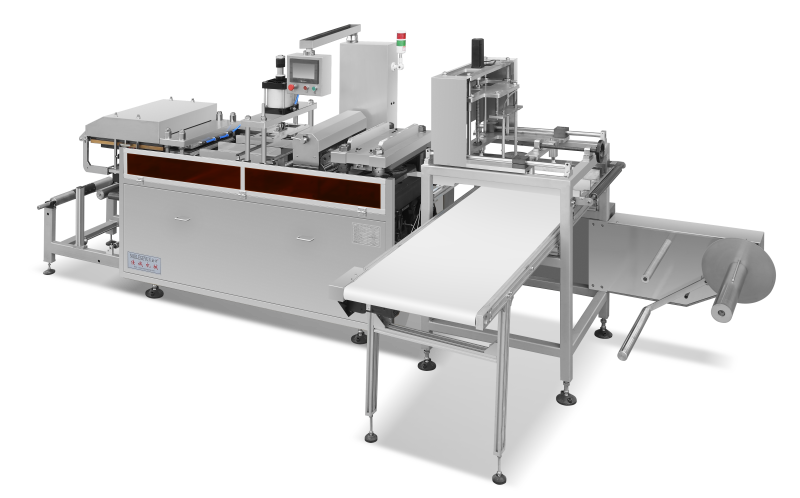
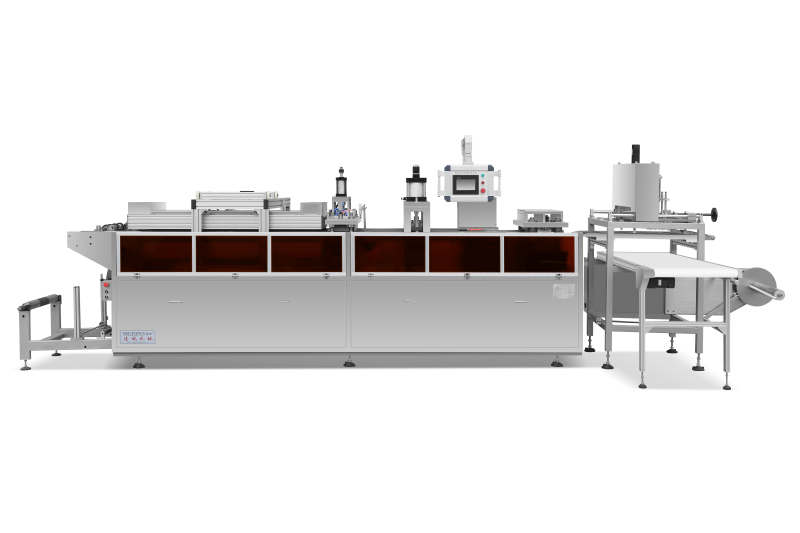
The global thermoforming plastic market is projected to reach USD 59.52 billion in 2026, growing from USD 54.65 billion in 2025 at an 8.9% compound annual growth rate, according to The Business Research Company's latest global report. Asia-Pacific is the fastest-growing region, while North America remains the largest. Meanwhile the thermoforming machinery market itself is forecast to grow from roughly USD 1.69 billion to over USD 2.12 billion by the end of 2026, per Cognitive Market Research — a clear signal that producers are not merely buying more packaging, they are buying new machines.
What is changing inside those machines is more significant than the dollar figures.
Servo displaces pneumatics and hydraulics
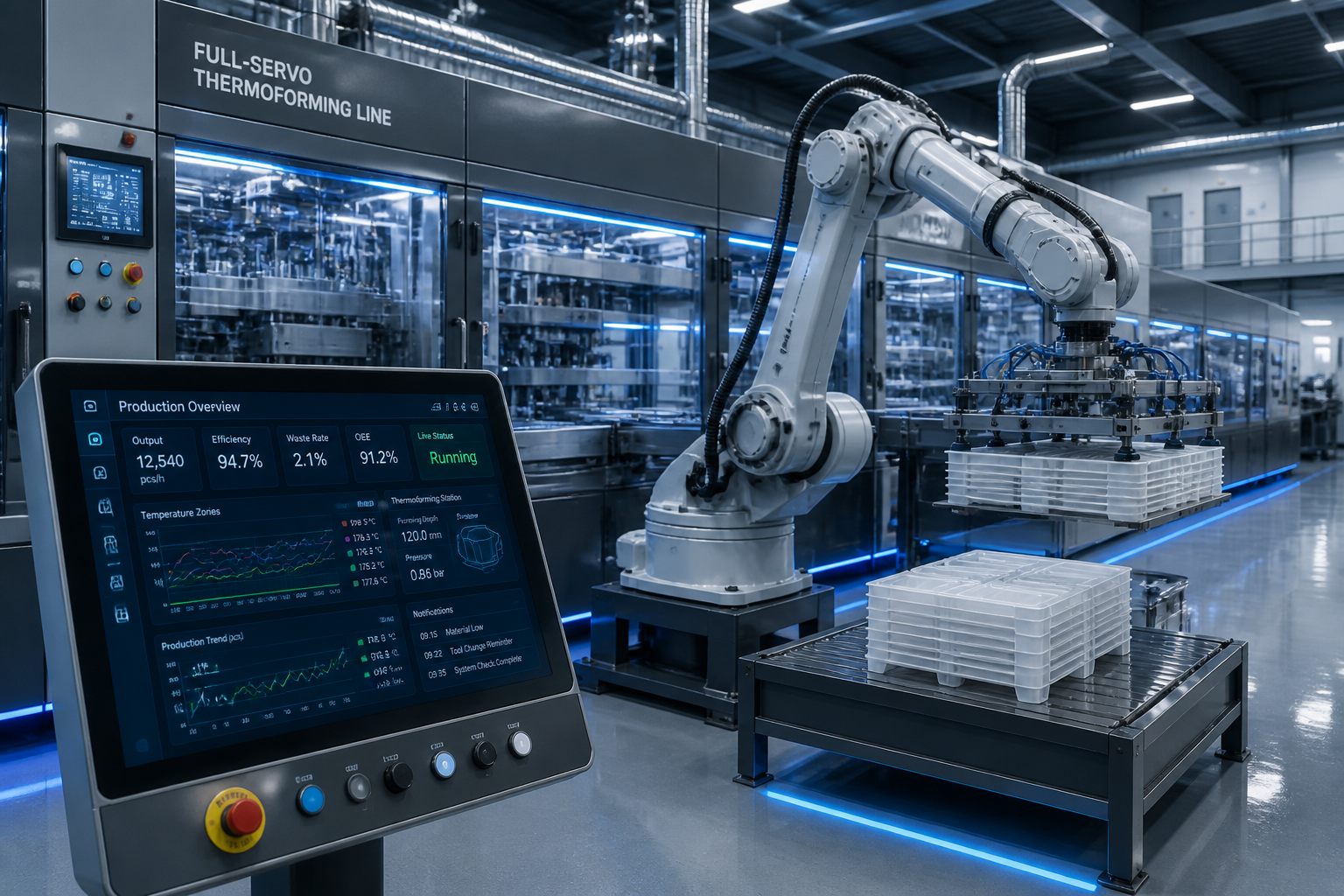
The defining equipment trend of the past two years is the transition from pneumatic and hydraulic actuation to full-servo systems. Servo-driven forming and cutting deliver repeatable position and speed control to a fraction of a millimeter, which translates directly into thinner-gauge capability, faster cycle times and less scrap. Where a pneumatic line's stroke profile drifts with air pressure and ambient temperature, a servo line's motion profile is a stored recipe — identical at 2 a.m. and 2 p.m., reproducible across plants and auditable for food-safety customers.
Robotics moves upstream
Robotic integration has moved from a showroom novelty to a line requirement. High-speed robotic systems now handle part removal, stacking and palletizing at the back end of thermoforming lines, eliminating the manual handling that historically capped throughput and introduced contamination risk in food-grade environments. The trend is especially visible in high-volume cup, lid and tray production, where the back end — not the forming station — has become the bottleneck.
Industry 4.0 enters the quote stage
Buyers are also demanding data. Process monitoring that logs heating temperatures, forming pressures and cycle times per batch is appearing in purchase specifications, driven by quality systems in food, pharmaceutical and medical-device packaging. Thin-gauge thermoforming — expected to hold roughly 36% of process-segment market share — is particularly dependent on tight parameter control, and medical packaging customers require traceability documentation that legacy machines simply cannot produce.
For machine builders, the competitive field has shifted from price-per-ton of output to total cost of ownership: energy per cycle, scrap percentage, changeover time and the availability of process data. For converters, the implication is to buy not just a machine, but a data stream.