
 EN
EN
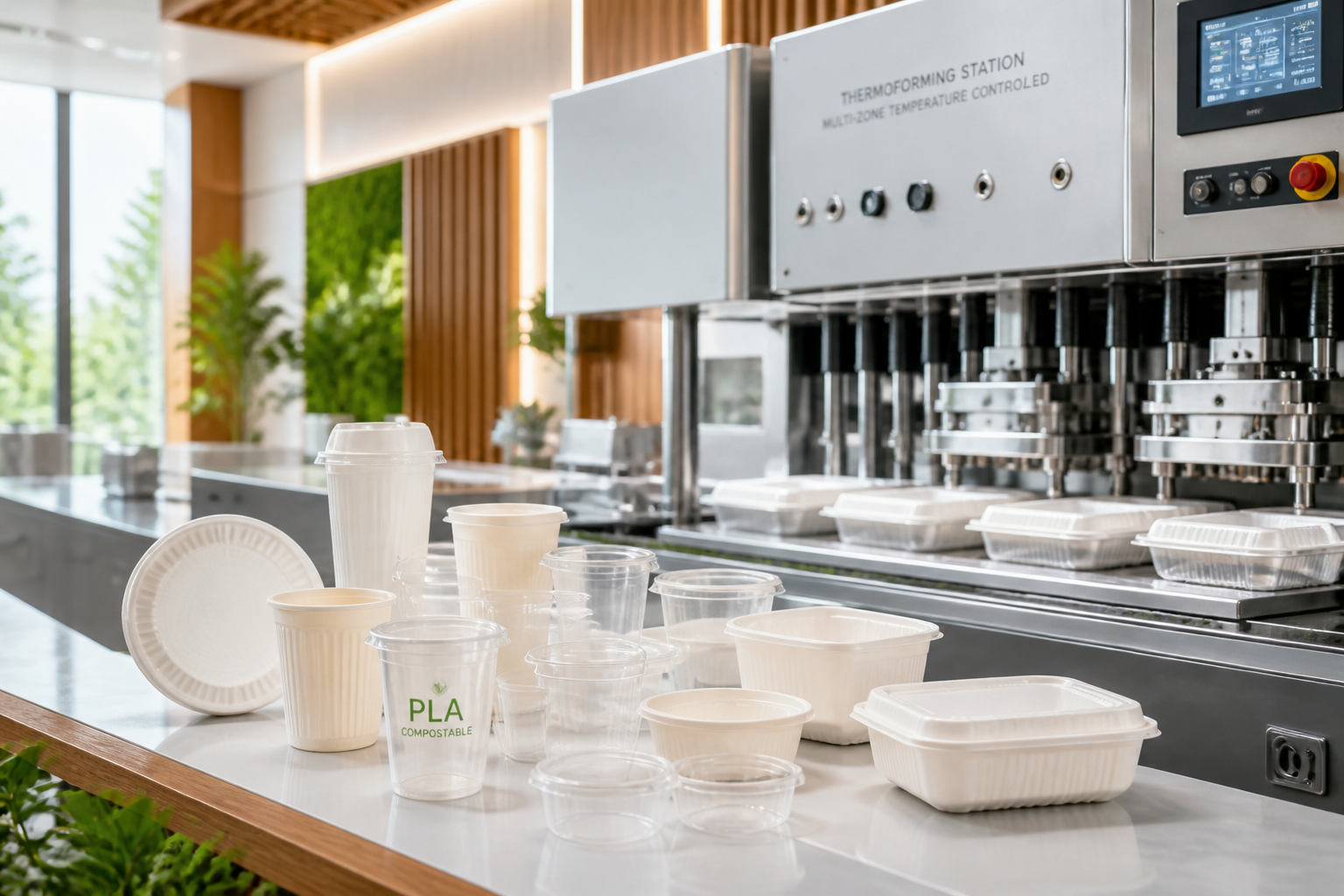
The global biodegradable packaging market is forecast to reach USD 13.4 billion in 2026 and expand at a 6.1% CAGR to more than USD 24.2 billion by 2036, according to research published in February 2026 by Future Market Insights (FMI). Polylactic acid (PLA) accounts for roughly 41% of material demand in the segment, and food packaging represents over 40% of end-use demand — placing thermoforming squarely at the center of the transition.
FMI attributes the growth to a structural shift in legislation targeting single-use plastics, accelerating adoption of certified compostable formats, and improving end-of-life infrastructure. Growth hotspots identified in the study include China, India and Germany. Analysts are not unanimous on the pace — Mordor Intelligence, for example, projects the biodegradable plastic packaging segment growing at a steeper 20.1% CAGR from 2026 to 2031 as retailers embed compostability metrics into supplier scorecards — but both houses agree on direction: bio-based thermoformed formats are moving from pilot lines to production schedules.
The processing problem
The bottleneck is no longer demand; it is manufacturability. PLA is notoriously temperamental on a thermoforming line. Its useful forming window is narrow — commonly estimated at just 15–20°C between the temperature at which the sheet sags into the mold and the temperature at which it turns brittle or sticks to tooling. The material is also hygroscopic: sheet that has absorbed ambient moisture will haze, bubble or crack during forming unless properly dried and handled.
On legacy equipment built for forgiving commodities like PP or PS, operators report high scrap rates during PLA changeovers — overheating causes mold adhesion, while underheating produces brittle cracking. Retail chains and food brands that have committed to compostable cup and tray programs are now discovering that their contract packagers' machine parks, not their intentions, are the rate-limiting step.
Equipment response
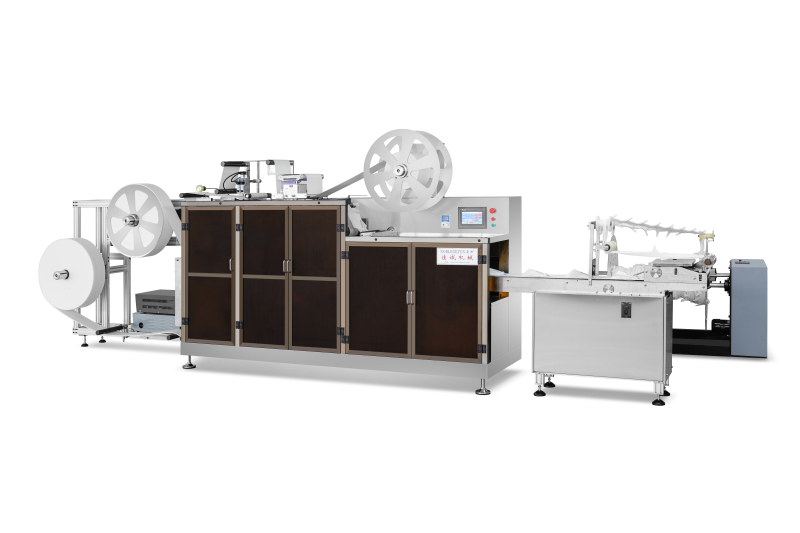
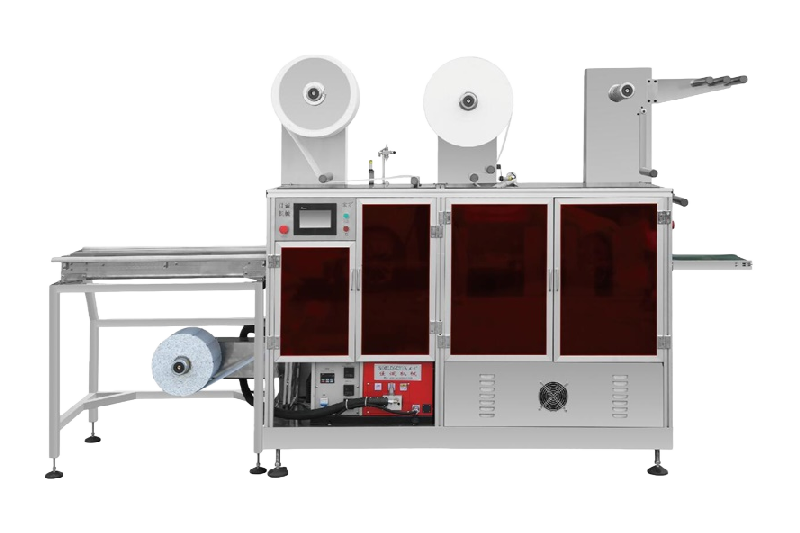
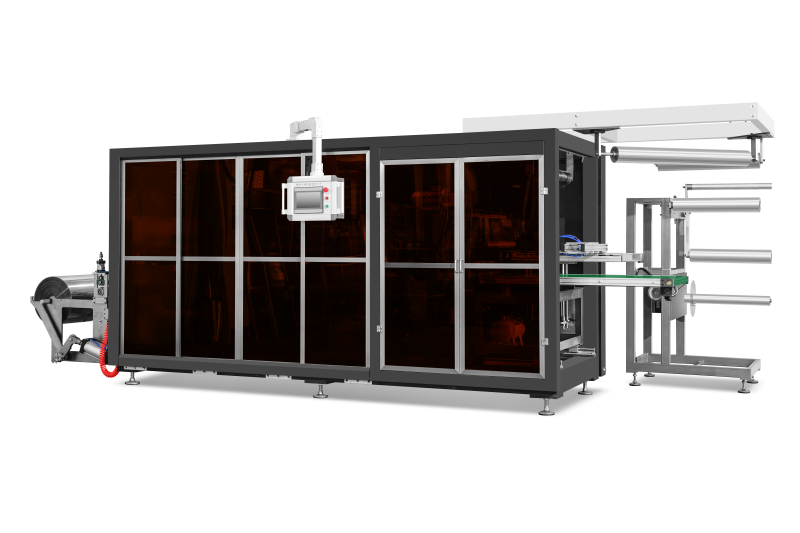
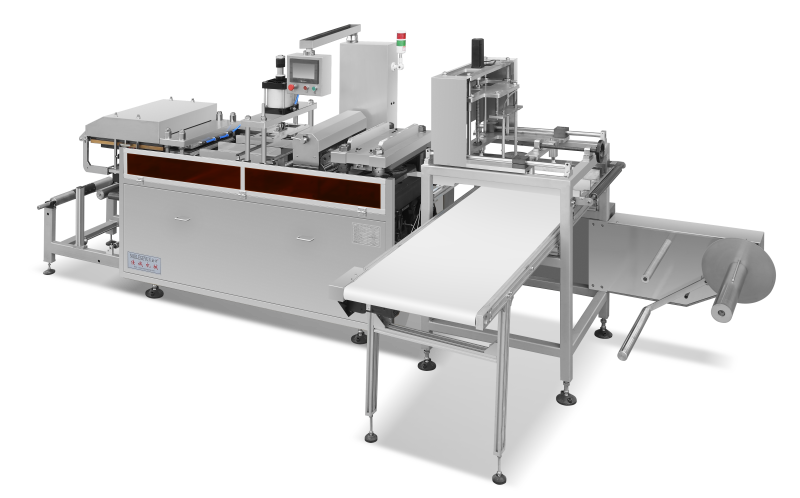
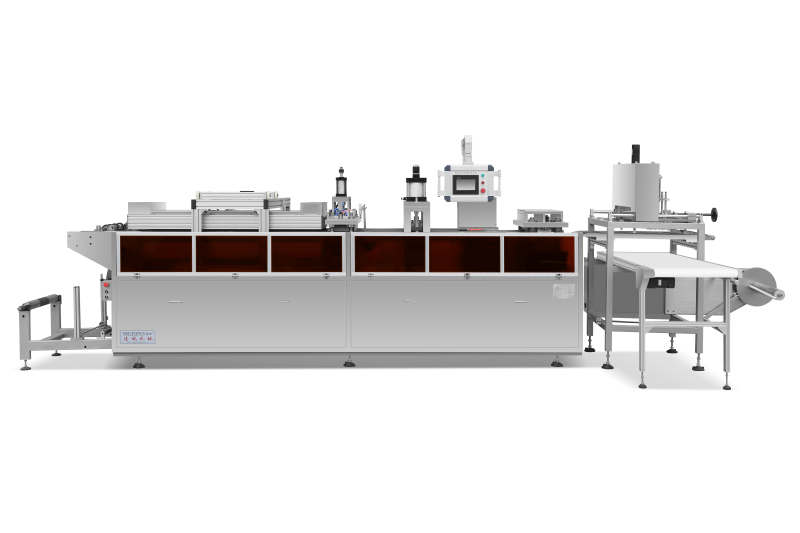
Machine builders are answering with tighter thermal architecture: precision IR heating with pyrometer feedback and zone-by-zone control, servo-driven plug assist for repeatable wall-thickness distribution, and active mold temperature management to keep crystallization consistent cycle after cycle. Quick material-changeover capability — moving from PET on Monday to PLA on Tuesday without a full shift of downtime — is emerging as a differentiating specification in purchase tenders.
For converters, the commercial logic is straightforward. PLA thermoforming margins currently exceed those of commodity PET, but only for shops that can hold scrap rates under control. With legislation tightening across Europe and parts of Asia, the window to build that capability before competitors do is measured in quarters, not years.