
 EN
EN
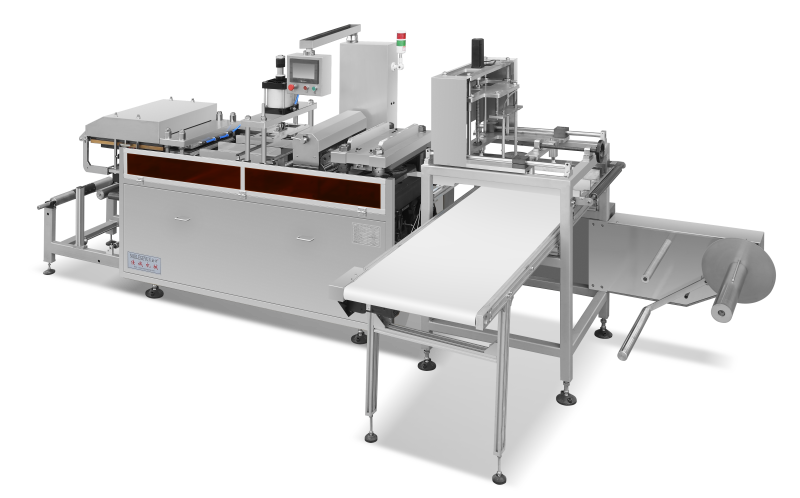
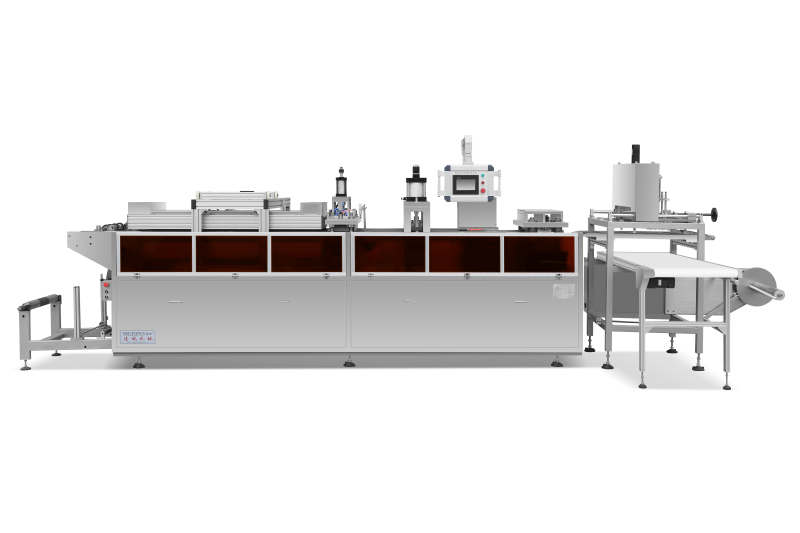
The global cups and lids packaging market reached USD 37.63 billion in 2026 and is projected to grow to USD 50.2 billion by 2030 at a 7.5% CAGR, according to market research published by The Business Research Company. The single biggest demand engine is the beverage culture shift: the bubble tea market alone is projected to grow from approximately USD 3.6 billion in 2026 to USD 8.3 billion by 2033 at a 12.7% CAGR, per Grand View Research, with fresh-brewed coffee chains expanding on a similar trajectory across Asia-Pacific, the Middle East and North America.
Every cup sold carries a lid. The arithmetic is simple, but the consequences for manufacturing are not: a beverage lid must seal against a paper or plastic cup rim, resist deformation during delivery transit, and — increasingly — survive the scrutiny of automated filling lines that reject imperfect parts at hundreds of units per minute.
The quality bar keeps rising
Beverage brands have learned that the lid is a touchpoint of the brand experience. A poorly formed lid that leaks, cracks or carries microscopic burrs does not just waste product; it generates sensor misreads on automated packaging lines and surfaces as consumer complaints about seal integrity. Southeast Asian packaging manufacturers serving the region's explosive milk-tea chain sector report that high-speed production — above 30 cycles per minute on cup-lid lines — historically amplified a subtle defect class: material "memory" in PET causing micro-stringing and flash during die-cutting, sometimes less than 0.1mm in diameter yet enough to trigger downstream rejection.
What modern lines are doing about it
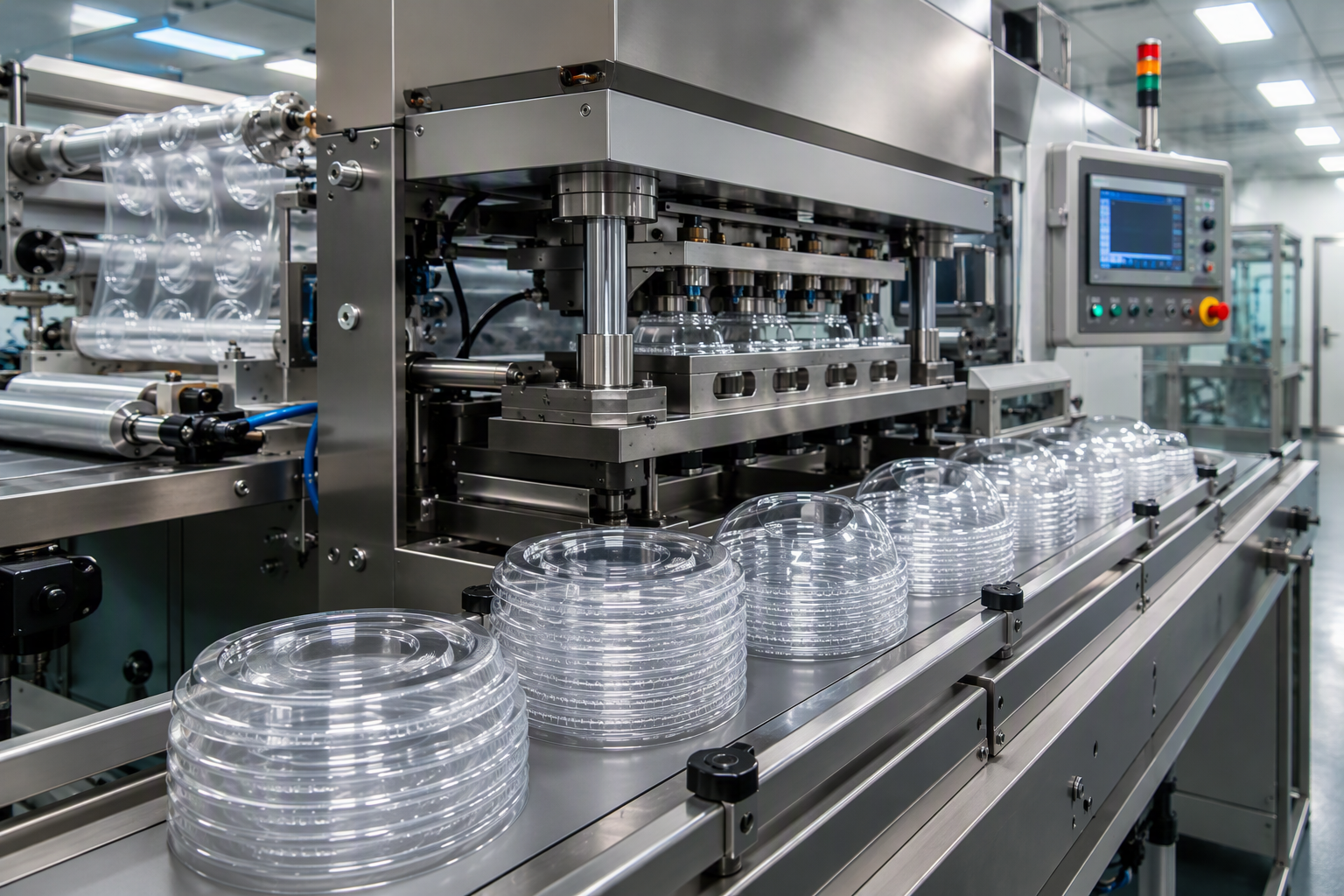
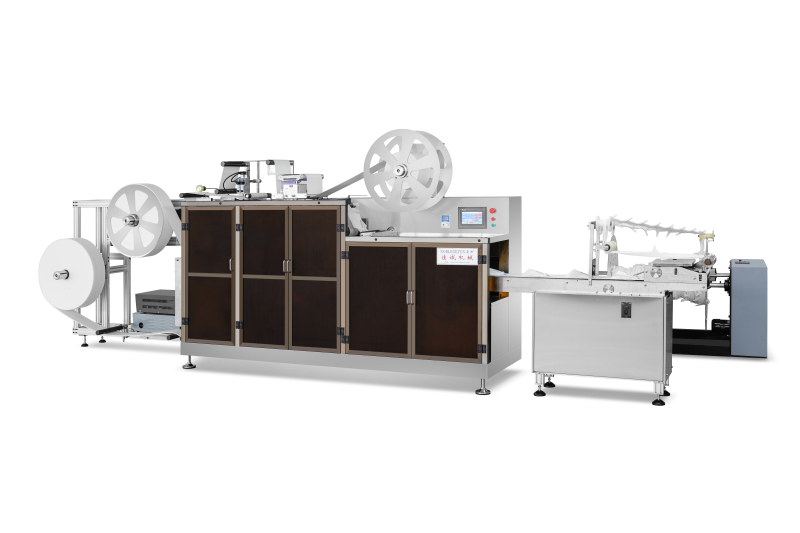
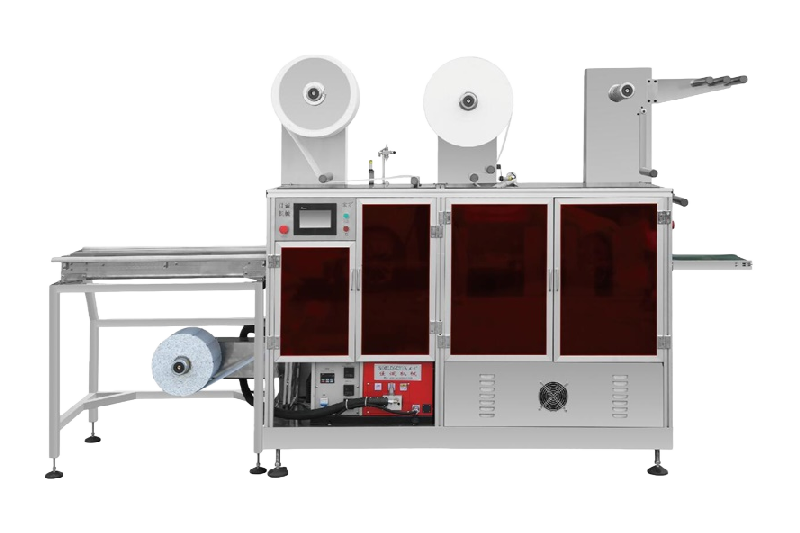
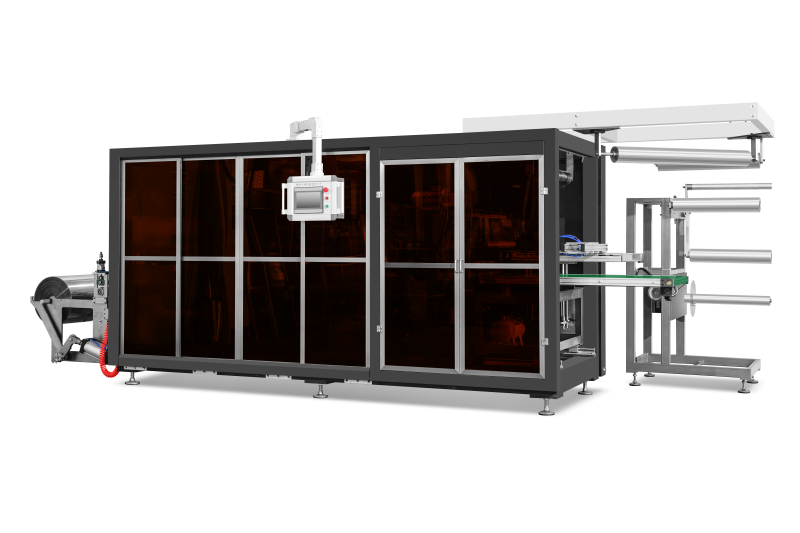
The equipment answer has been precision at the cutting stage. Modern automatic cup-lid lines combine servo-driven forming with engineered die-cutting stations — precise blade geometry, controlled stroke damping and reliable scrap stripping — to eliminate burrs at the source rather than inspect them out. Multi-station architectures that separate forming, cooling and cutting enable parallel operation: while one station cuts, another forms, lifting effective output per machine without raising individual cycle stress.
Industry data backs the investment thesis. Vendors of automatic cup-lid machinery report efficiency gains on the order of 45% versus conventional lines and labor-cost reductions around 60%, alongside the food-grade hygiene compliance that chain brands now require from their suppliers. With the cups-and-lids market forecast to add nearly USD 13 billion in four years, capacity that can run faster, cleaner and with fewer operators is becoming the difference between winning a chain-brand contract and losing it to a converter two doors down.