
 EN
EN
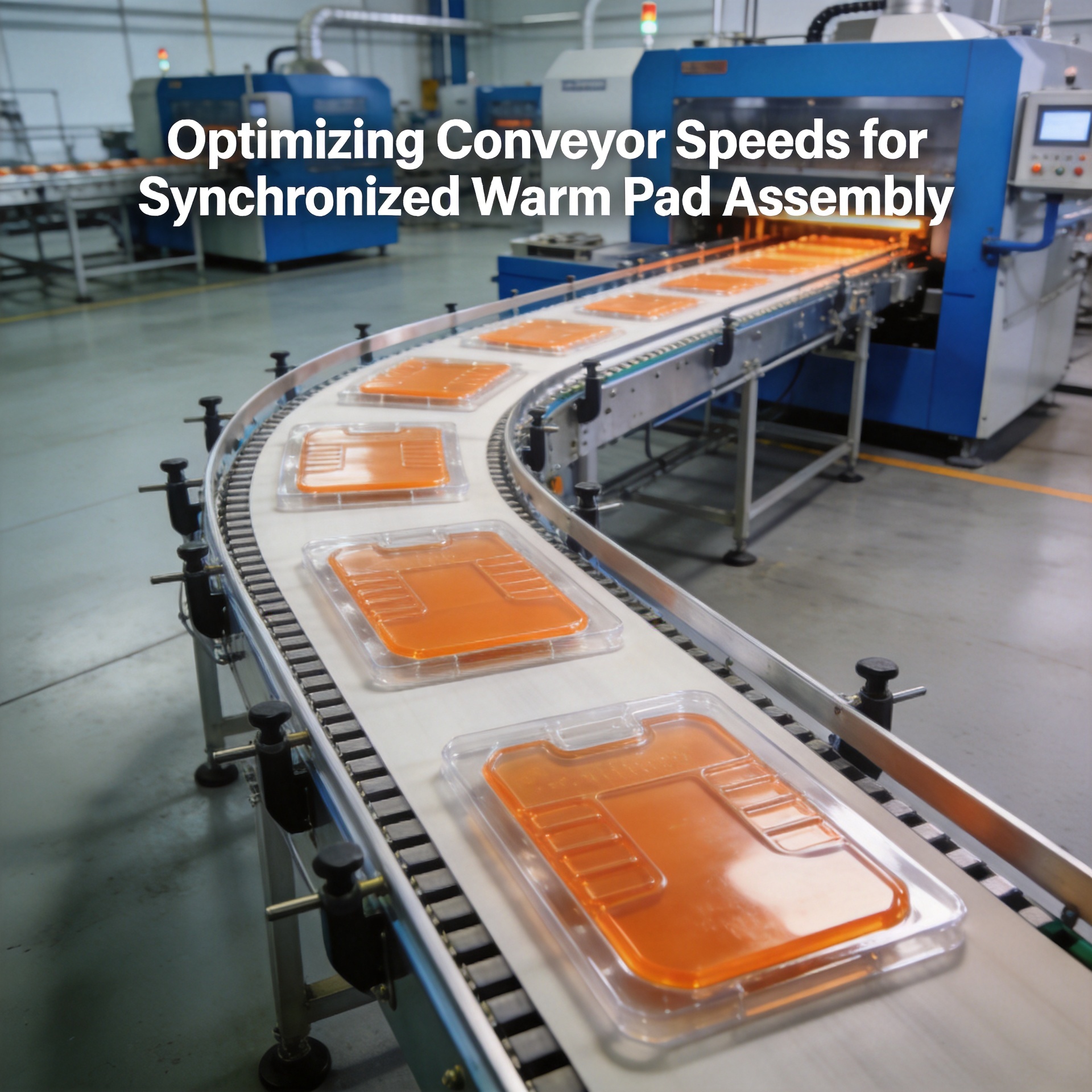
Optimizing Conveyor Speeds for Synchronized Warm Pad Assembly
When efficiency problems arise on a Warm Pad Assembly line, the first instinct is almost always the same: speed up the conveyors. After years working with packaging and thermoforming machinery across high-volume facilities, this instinct turns out to be incomplete more often than not. The disposable hand warmer market is growing toward USD 1.99 billion by 2033 at a CAGR of 6.5%, placing real pressure on production managers to extract more output. Higher conveyor speed without Synchronization, though, does not improve throughput — it just moves problems around.
The Critical Role of Conveyor Speeds in Production Flow
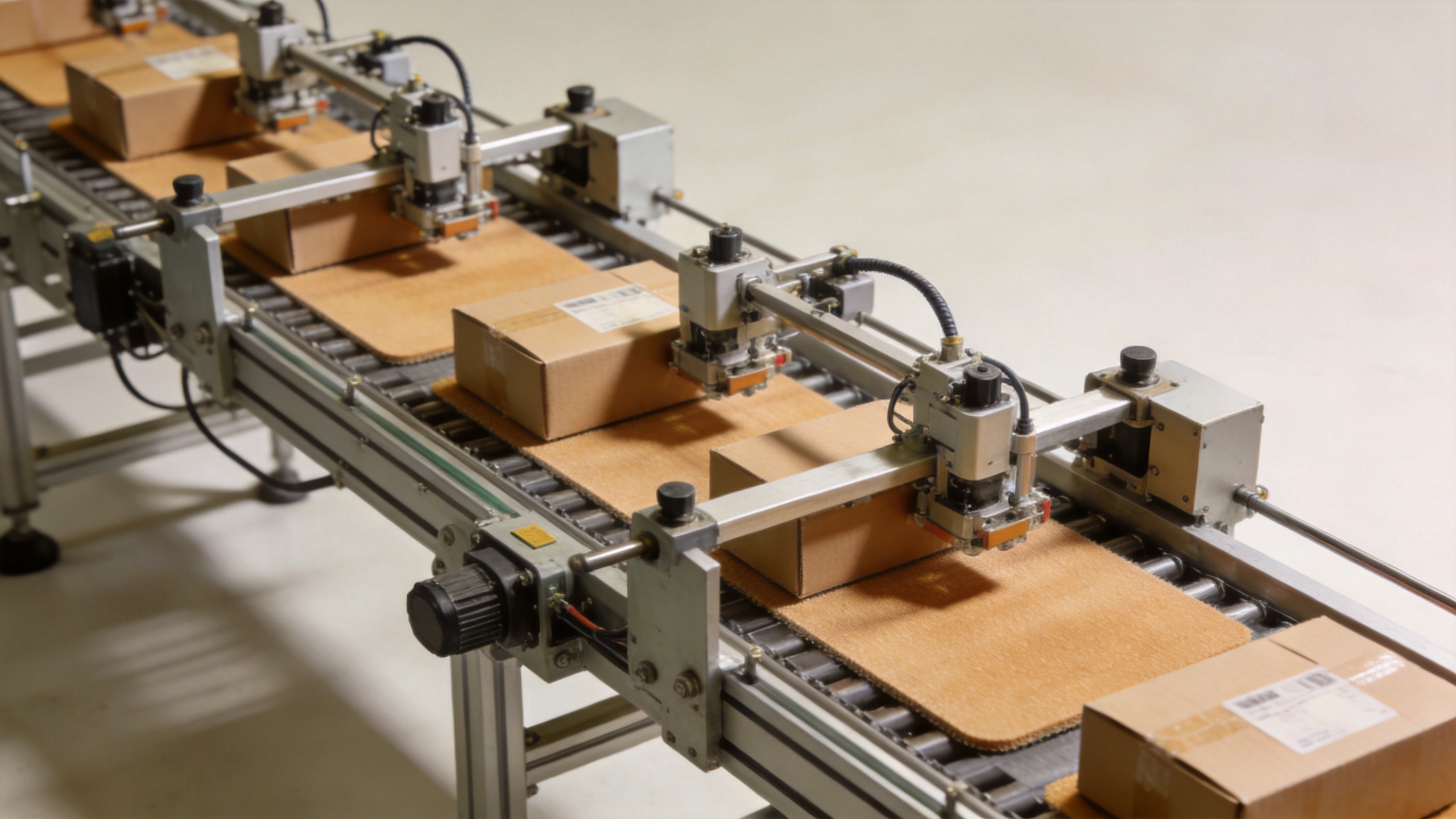
Conveyor Speeds on a Warm Pad Assembly line set the pace at which empty trays travel from the thermoformer to the filling station, then on to sealing and final packaging. When that pace is off in either direction, the consequences grow quickly.
Set Conveyor Speeds too fast relative to the filler's cycle time, and trays pile up at the filling station. Operators intervene manually, variability enters the sealing unit, and throughput falls. Run the conveyor too slowly, and the filler sits idle — a direct reduction in Overall Equipment Effectiveness (OEE). Industry data places world-class OEE at 85%, while most packaging lines run between 40% and 60%, with speed-related losses among the main contributors to that gap.
The practical objective, then, is not maximum velocity. It is matching the cycle time of the slowest critical machine. A Warm Pad Assembly line achieves real Synchronization only when every component — including the thermoforming stage — contributes to a stable, uninterrupted flow.
Achieving Synchronization with Multi-Station Thermoforming
Unstable Conveyor Speeds often trace back to variability in tray production. Manual thermoformers and older single-station units discharge trays at irregular intervals, making stable downstream Conveyor Speeds difficult to maintain. The line spends its time reacting rather than producing.
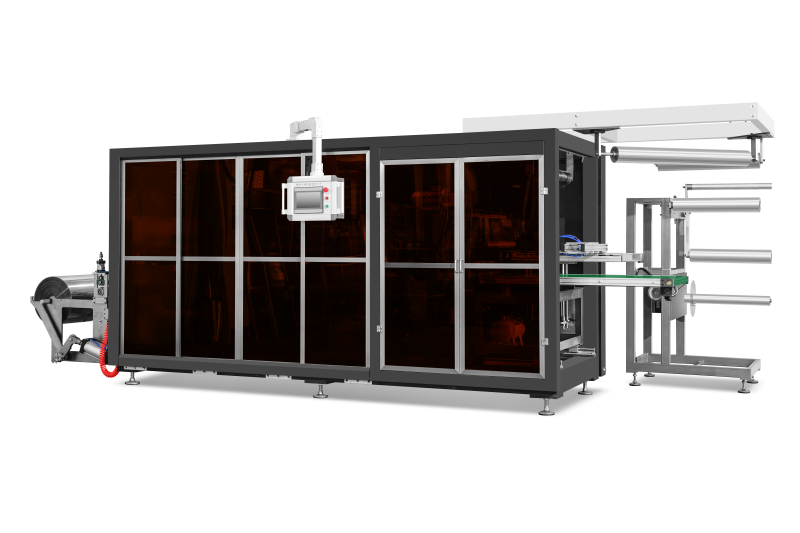
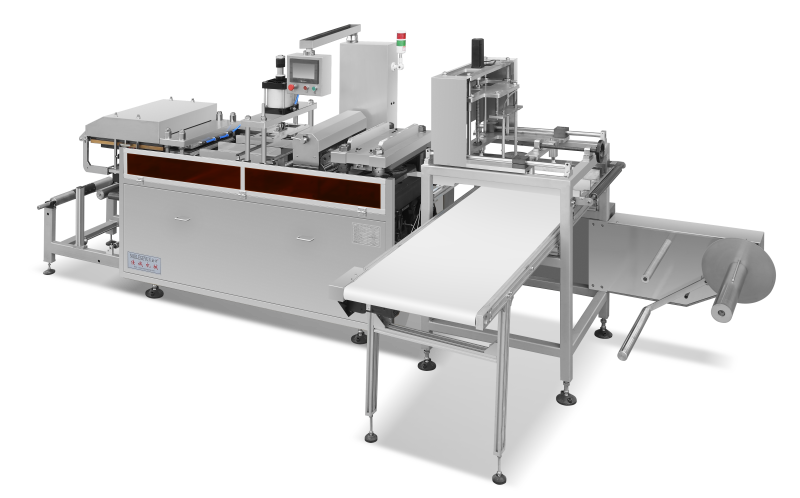
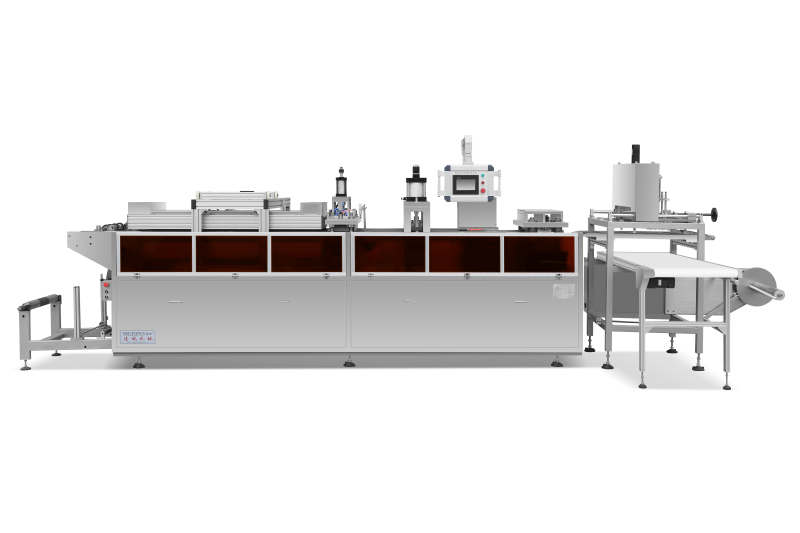
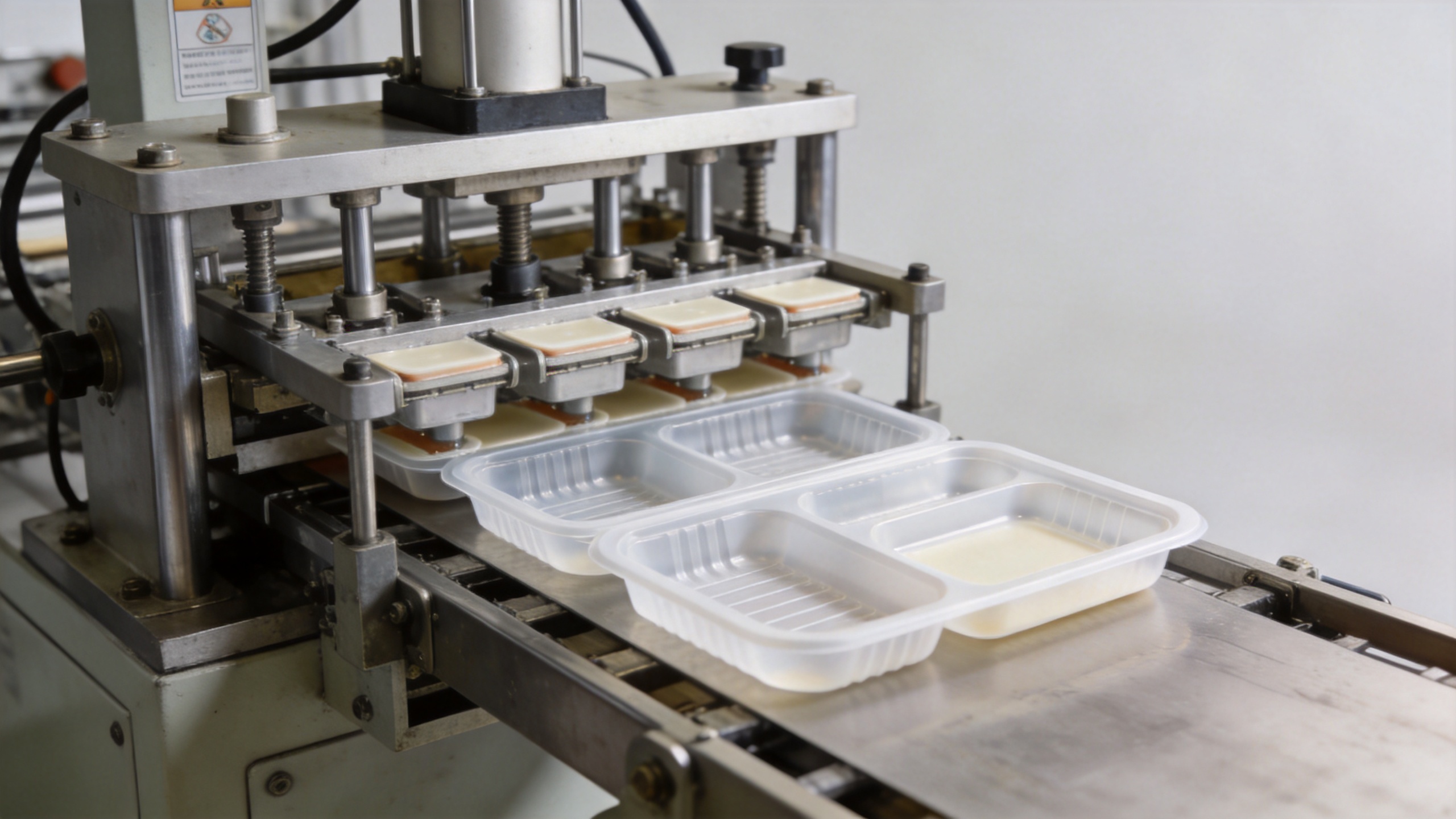
Multi-station automatic thermoforming machines address this at the source. A machine such as the JCPP-520 Automatic PP Products Thermoforming Machine produces multiple trays per cycle at precise, repeatable intervals. That consistent output gives automation engineers a reliable reference frequency for calibrating Conveyor Speeds across the rest of the Assembly Line.
At lower production volumes, manual buffers can absorb occasional timing gaps. Once multi-SKU runs begin in parallel and volumes scale up, those buffers disappear. The thermoformer becomes the timing reference the entire Assembly Line follows. The JCPP-520's ability to handle PP, PET, and PS materials with rapid changeover also reduces disruption during product format switches, keeping the Synchronization logic intact without requiring a full re-tune of Conveyor Speeds each time.
Identifying and Resolving Assembly Line Bottlenecks
Improving Conveyor Speeds requires an honest bottleneck audit first. The common assumption on Warm Pad Assembly lines is that the filler or sealing unit is the limiting constraint. The thermoformer — particularly an older semi-automatic unit — is far more often the real bottleneck.
The pattern is consistent: at lower volumes, slower tray production is manageable because operators can buffer manually. As order volumes climb, manual buffers break down. Line managers then reduce Conveyor Speeds to prevent tray overflow, which sacrifices downstream capacity to compensate for upstream inconsistency. By the time three-shift continuous production begins, the thermoformer's output variance has become a hard ceiling on what the entire Assembly Line can produce.
Upgrading to a high-efficiency thermoformer shifts or removes that ceiling. It creates room to increase Conveyor Speeds to match the actual capacity of modern filling and sealing equipment, rather than throttling downstream performance to cover an upstream weakness.
Automation Integration and Operational Stability
Achieving durable Synchronization requires more than setting a target speed. Modern Warm Pad Assembly lines rely on PLC-based control systems that monitor sensors and adjust Conveyor Speeds in real time. That software logic depends entirely on consistent hardware inputs.
Trays with warped edges or irregular ejection timing from the thermoformer cause position sensors to trigger false line stops. Each stop breaks the Synchronization that the PLC is working to maintain. Dimensionally consistent trays from a well-calibrated automatic thermoformer pass through sensors cleanly, allowing the control system to do its job without unnecessary interruptions.
Quick mold-change capability adds operational resilience as well. A Warm Pad Assembly line handling multiple SKUs needs to shift configurations without extended downtime. Thermoformers with fast mold changes let the line return to established Synchronization after a changeover instead of restarting the Conveyor Speed calibration process from scratch each time.
Case Study: Streamlining Production in East Asia
In June 2023, a large-scale warm pad facility in Suzhou, China faced persistently low OEE caused by frequent jams where the thermoforming section met the automatic filling line. The existing semi-automatic thermoformer discharged trays at irregular intervals, forcing the team to hold Conveyor Speeds at 60% of the filler's rated capacity to prevent overflow. The resulting lack of Synchronization required significant manual clearing labor and cut daily output by roughly 30%.
Replacing the unit with a JCPP-520 changed the dynamic. The multi-station design delivered the consistent output rhythm the line had been missing. Engineers recalibrated Conveyor Speeds to the filler's full capacity. Within two weeks, the Assembly Line reached full Synchronization: jams stopped, throughput climbed by roughly 40%, and material waste from misaligned sealing fell noticeably. The thermoformer had been the bottleneck throughout — fixing it upstream produced results that no amount of downstream conveyor tuning could have delivered.
Conclusion: Certification Standards and the Path to Full Synchronization
Optimizing Conveyor Speeds matters for any serious Warm Pad Assembly operation, but the gains are only reachable when upstream tray supply is consistent, predictable, and dimensionally sound. Advanced thermoforming equipment provides that foundation, enabling precise Synchronization across the Assembly Line and removing the bottlenecks that keep OEE below potential.
When selecting thermoforming equipment, certification standards carry practical weight. CE certification confirms compliance with European safety requirements — relevant for manufacturers supplying European buyers or operating under international audit frameworks. ISO 9001 certification validates the equipment maker's quality management system, which translates to predictable machine performance and reliable long-term support. For facilities where warm pads fall under medical device classification, ISO 13485 alignment adds the quality management structure that device regulations require.
Equipment certifications are not only a compliance matter. They signal the manufacturing discipline that underlies consistent output — the same consistency on which Conveyor Speeds can be reliably calibrated, Synchronization can be maintained across production shifts, and the Warm Pad Assembly line can finally operate at its actual capacity.