
 EN
EN
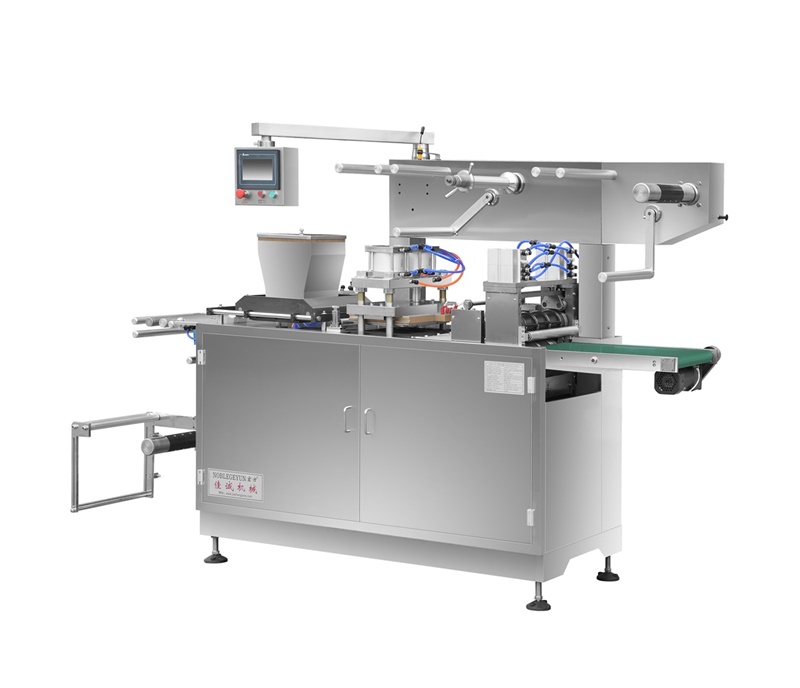
Introduction to High-Speed Assembly Logic
In a modern disposable heat pack factory, the operational rhythm is dictated by the seamless movement of materials across the factory floor. Achieving optimal Conveyor Speeds is not merely a matter of motor frequency; it is a complex engineering challenge that involves mechanical timing, sensor responsiveness, and advanced software control. For any high-output Assembly Line, the quest for perfect Synchronization between the powder filling station and the primary bagger is a continuous journey of optimization. When Conveyor Speeds are not properly calibrated, the Synchronization of the entire plant is compromised, leading to significant bottlenecks in the Assembly Line. Jiacheng Machinery specializes in designing systems where Conveyor Speeds are digitally managed to ensure that Synchronization remains rock-solid, even at productivity rates exceeding 300 pieces per minute.
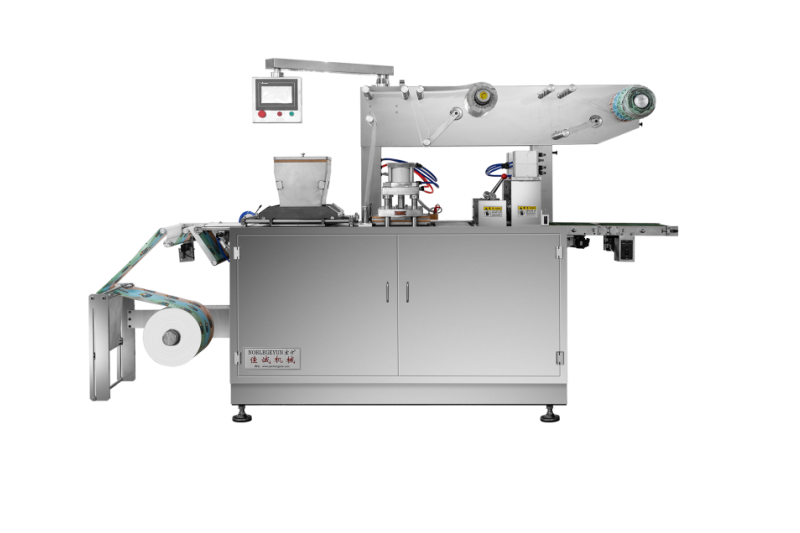
The Mechanical Impact of Conveyor Speeds
Managing Conveyor Speeds effectively requires an understanding of inertia and friction within the Assembly Line. If the Conveyor Speeds are too high for the current load, the resulting jerk can disrupt the Synchronization of the individual pouches, causing them to overlap on the Assembly Line. This is why Jiacheng utilizes high-precision servo motors to drive the Conveyor Speeds, allowing for micro-adjustments in Synchronization that are calculated by the central PLC. Within a high-speed Assembly Line, even a millisecond lag in Conveyor Speeds can throw off the Synchronization of the four-side sealing process. Therefore, the Assembly Line relies on a closed-loop feedback system that monitors Conveyor Speeds 1,000 times per second to maintain Synchronization. By stabilizing the Conveyor Speeds, we protect the mechanical integrity of the entire Assembly Line.
Synchronization Strategies for Complex Geometries
Different warm pad shapes require varying Conveyor Speeds to ensure the powder distribution remains uniform. Achieving Synchronization for a large shoulder pad is vastly different from achieving Synchronization for a small toe warmer on the same Assembly Line. The flexibility of our Warmer Pad Making Machine allows operators to program specific Conveyor Speeds for each product profile, ensuring Synchronization is never lost. On a multi-lane Assembly Line, the Synchronization between the left and right tracks is maintained by a common drive shaft, but independent adjustment of Conveyor Speeds is often necessary for fine-tuning. This granular control over Conveyor Speeds is the cornerstone of Synchronization on any modern industrial Assembly Line. When Synchronization is perfected, the rejection rate on the Assembly Line drops to near zero, regardless of the target Conveyor Speeds.
Data-Driven Synchronization in the Assembly Line
Modern Assembly Line management is increasingly reliant on real-time data to optimize Conveyor Speeds. Sensors placed along the Assembly Line detect the leading edge of each pad, feeding information back to the controller to maintain Synchronization. If the system detects a drift, it compensates by slightly increasing or decreasing the Conveyor Speeds, restoring Synchronization before the product reaches the packing stage of the Assembly Line. This proactive approach to Synchronization is what differentiates a Jiacheng Machinery Assembly Line from lower-tier competitors who rely on fixed Conveyor Speeds. Constant Synchronization is essential for maintaining the 0.6-0.8 MPa air pressure required for high-quality sealing on the Assembly Line. By optimizing Conveyor Speeds, we enable the Synchronization needed for advanced functions like cursor tracking and double-film automatic feeding on the Assembly Line.
Overcoming Bottlenecks through Synchronization
A common bottleneck in the Assembly Line occurs at the transition between the primary maker and the secondary packager. If the Conveyor Speeds at this junction are not perfectly timed, the Synchronization of the entire facility fails. Our engineering team focuses on this specific area to ensure that the Synchronization of transfer movements is as smooth as possible, regardless of the Conveyor Speeds. Within the Assembly Line, the use of vacuum belts can help maintain Synchronization by preventing the pads from slipping during high Conveyor Speeds. This technical solution for Synchronization is a standard feature on every high-capacity Jiacheng Assembly Line. As global demand for wellness products scales, the ability to maintain Synchronization at ever-higher Conveyor Speeds will determine the winner in the market. Every Assembly Line we build is a testament to our mastery of Synchronization and Conveyor Speeds.
Conclusion
Optimizing Conveyor Speeds is a foundational requirement for any profitable warm pad manufacturing operation. Through superior Synchronization and advanced Assembly Line engineering, Jiacheng Machinery empowers clients to exceed their production targets. The relationship between Conveyor Speeds, Synchronization, and Assembly Line reliability is the focus of our R&D efforts. Don't let inconsistent Conveyor Speeds ruin your Synchronization; invest in an Assembly Line that is built for precision. With the right focus on Synchronization, your Assembly Line will operate with the perfect rhythm, driven by the most advanced control of Conveyor Speeds in the industry.