
 EN
EN
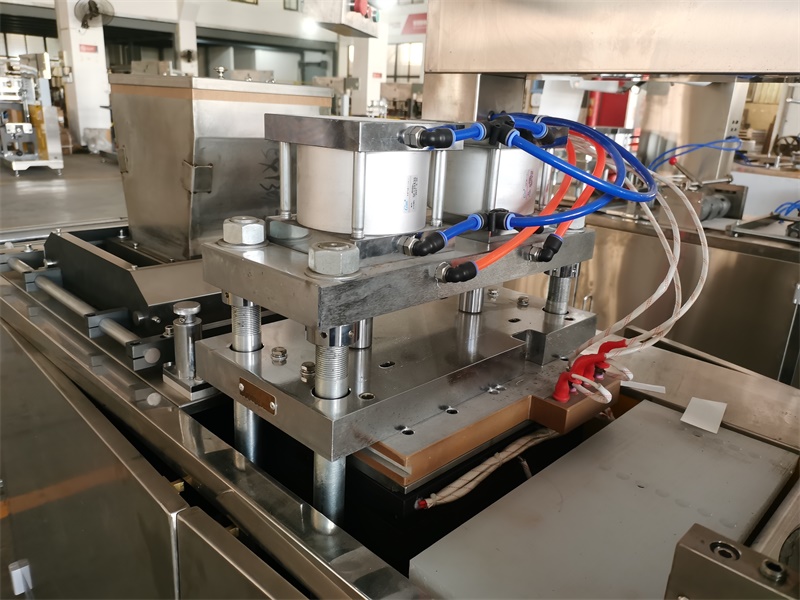
In the manufacturing of disposable heating products, the integrity of the iron powder core is paramount. The primary challenge in production is Oxidation Prevention during the critical Filling Process. If iron particles are exposed to excessive oxygen or moisture before the final seal is applied, premature exothermic reactions occur, drastically reducing the product's effective Shelf Life. For production managers and process engineers, ensuring that the Filling Process occurs in a controlled environment is only half the battle; the other half lies in the structural integrity of the packaging components. The container or tray holding the powder must provide an immediate and robust barrier against air ingress. This is where high-precision thermoforming becomes a strategic asset. By producing containers with exceptional dimensional accuracy and surface consistency, manufacturers can significantly enhance Oxidation Prevention capabilities. A well-engineered tray ensures that sealing films adhere perfectly, minimizing micro-leaks that could compromise the Shelf Life. Therefore, integrating advanced thermoforming technology into the production line is essential for maintaining the quality of the Filling Process and guaranteeing long-term product stability.
The Science of Iron Powder Oxidation and Control
The exothermic reaction in warm pads is driven by the oxidation of iron powder when exposed to oxygen and moisture. While this reaction is desired during use, it is detrimental during storage. Oxidation Prevention begins with understanding that even brief exposure to ambient air during the Filling Process can initiate unwanted heat generation. This premature activation not only wastes the product’s thermal potential but also generates internal pressure that can deform packaging or cause leaks. To mitigate this, manufacturers often employ inert gas flushing (such as nitrogen) within the filling chamber. However, the effectiveness of this gas protection is heavily dependent on the speed and precision of the Filling Process. Any delay or inconsistency in transferring the powder into the container increases the risk of oxygen contact. Furthermore, the physical characteristics of the container itself play a crucial role. If the tray has uneven walls or rough surfaces, it may trap air pockets or prevent the sealing film from creating a hermetic bond. Thus, Oxidation Prevention is not just about atmospheric control; it is equally about the geometric precision of the packaging substrate.
Optimizing the Filling Environment and Workflow
A standardized Filling Process requires strict environmental controls. Production facilities must maintain low humidity and regulated temperatures to slow down kinetic reactions. Automated filling systems are preferred over manual methods because they reduce the time the powder is exposed to the atmosphere. High-speed automation ensures that once the powder is dispensed, the container is immediately moved to the sealing station. However, the efficiency of this workflow is contingent upon the consistency of the containers being filled. If trays vary in depth or shape due to poor thermoforming quality, automated fillers may misalign, causing spillage or incomplete fills. These errors necessitate rework or lead to rejected batches, indirectly increasing the exposure time of other units to oxygen. Therefore, optimizing the Filling Process involves selecting equipment that produces uniform containers. Consistent tray dimensions allow for smoother conveyor movement and more precise filler nozzle positioning, which directly supports Oxidation Prevention efforts by minimizing process variability and maximizing throughput.
The Critical Role of Container Sealing Integrity
The most vulnerable point for Oxidation Prevention failure is the interface between the container and the sealing film. After the Filling Process, the package must be hermetically sealed to lock out oxygen and moisture. Any defect in the container’s rim—such as warping, burrs, or inconsistent thickness—can create channels for air infiltration. Even microscopic gaps can allow enough oxygen to penetrate over time, leading to a gradual decline in performance and a shortened Shelf Life. This is why the quality of the thermoformed tray is non-negotiable. High-quality thermoforming machines produce trays with smooth, flat sealing surfaces that ensure uniform pressure distribution during the heat-sealing process. When the sealing film bonds evenly across the entire rim, the risk of post-filling oxidation is minimized. Consequently, investing in precision thermoforming equipment is a direct investment in Oxidation Prevention. It ensures that every unit emerging from the Filling Process is encapsulated in a barrier that truly protects its contents, thereby preserving the intended Shelf Life.
Material Selection and Multi-Specification Adaptability
Different warm pad formulations may require specific packaging materials to optimize Oxidation Prevention. For instance, some high-performance powders might need barriers with higher oxygen transmission resistance, requiring multi-layer laminates or specific plastic substrates like EVOH-coated PP. The flexibility of the thermoforming machine determines how easily a manufacturer can adapt to these material requirements. A versatile machine that can process PP, PET, and PS allows R&D teams to test various container structures without significant downtime. This adaptability is crucial for refining the Filling Process for new product lines. Moreover, as market demands shift towards different sizes and shapes, the ability to quickly change molds ensures that the Filling Process remains efficient. Whether producing small hand warmers or large body patches, consistent container quality is maintained. This consistency is vital because any variation in container geometry can disrupt the sealing process, compromising Oxidation Preventionand ultimately affecting the product's Shelf Life.
Case Study: Enhancing Shelf Life in Southeast Asia
A compelling example of the impact of container quality on Oxidation Prevention occurred in August 2023 at a manufacturing facility in Ho Chi Minh City, Vietnam. A prominent warm pad producer was facing a crisis with their export batch destined for colder climates. Quality control tests revealed that 15% of the products had lost significant heating capacity within three months, indicating premature oxidation during or after the Filling Process. Initial investigations focused on the nitrogen flushing system, but adjustments yielded no improvement. The root cause was eventually traced to the plastic trays used in the Filling Process. The existing thermoforming equipment produced trays with slight rim warping due to uneven cooling. This warping prevented the sealing machine from creating a perfect hermetic seal, allowing微量 (trace) amounts of oxygen to enter over time.
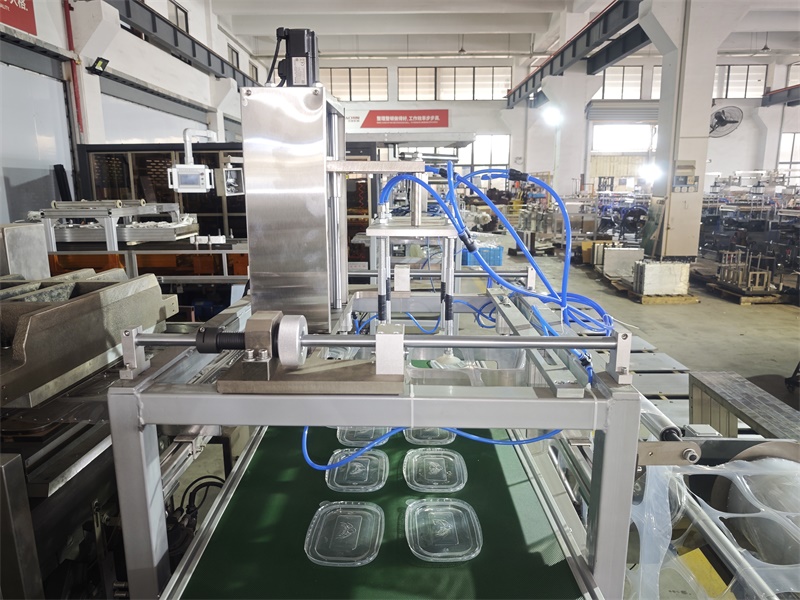
The company replaced their old forming line with a JCPP-520 Automatic PP Products Thermoforming Machine. The new equipment provided superior temperature control and uniform pressure, resulting in trays with perfectly flat sealing rims. After implementing the new trays, the defect rate dropped to less than 0.5%. Accelerated aging tests confirmed that the Shelf Life had extended to meet the required 3-year standard. The improved container integrity significantly enhanced Oxidation Prevention, ensuring that the Filling Process resulted in a truly stable final product. This case highlights how precision thermoforming is integral to maintaining product quality and achieving reliable Shelf Life.
Conclusion and Certification Standards
In conclusion, effective Oxidation Prevention during the Filling Process requires a comprehensive approach that combines environmental control, automated efficiency, and superior packaging integrity. The container is not merely a vessel; it is the first line of defense against premature degradation. By utilizing high-precision thermoforming equipment, manufacturers can ensure that every tray provides a flawless sealing surface, thereby maximizing the efficacy of the Filling Process and extending the product's Shelf Life. Consistency in container production eliminates variables that could compromise Oxidation Prevention, leading to higher quality outputs and reduced waste.
To ensure global compliance and consumer trust, manufacturers should verify that their thermoforming equipment and processes meet international standards. CE certification is essential for demonstrating adherence to European safety and health regulations. ISO 9001 certification validates the consistency of the quality management system, ensuring that every stage of production, including the Filling Process, is monitored and controlled. Additionally, for materials in direct contact with the heating element, compliance with FDA or EU food-contact standards may be required to ensure safety. By combining certified manufacturing excellence with rigorous Oxidation Prevention protocols, companies can deliver warm pads that perform reliably throughout their designated Shelf Life.