
 EN
EN
Productivity and Throughput: Slipper Making Machine Efficiency vs Manual Output
Cycle Time, Daily Output Volume, and Line Balancing
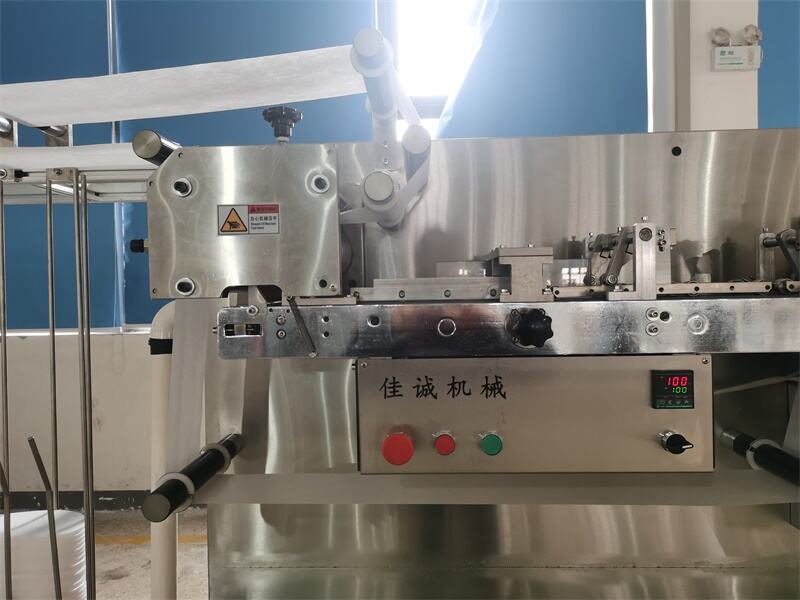
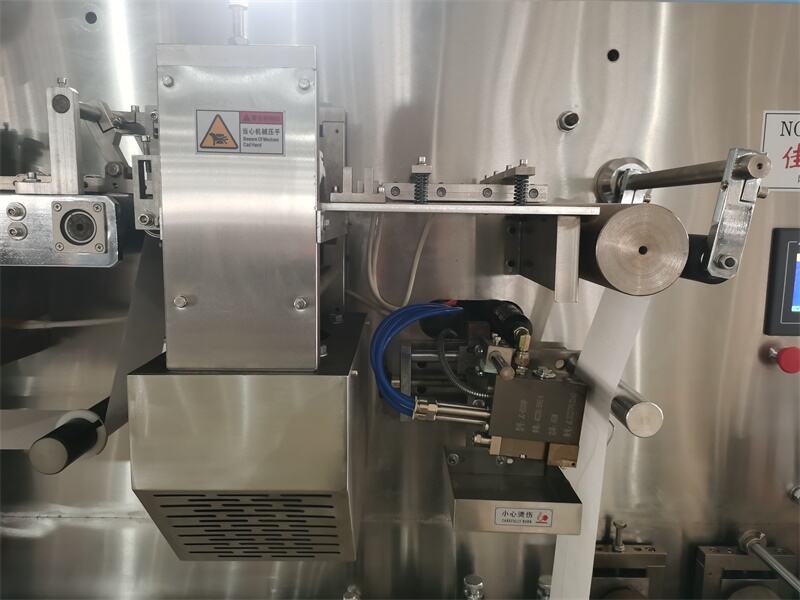
When it comes to making slippers, automated production definitely wins out when looking at both speed and how consistent the results are. If someone tries to make them by hand, each pair usually takes somewhere between 4 to 6 minutes because of all the cutting, stitching, and finishing steps that have to happen one after another. Even with a whole team working on this, they might only manage around 2,000 pairs in a day. But modern machines can knock out a pair in under a minute thanks to their integrated systems that work together seamlessly. These machines can produce over 8,000 pairs in the same space where those manual teams would operate. The balance across production lines just works better with automation too. Take non woven slipper machines for instance they keep materials moving without stopping, so there's no waiting around or stuck spots in the process. The jump in productivity is huge about 2 to 3 times what manual methods can handle. This happens because machines repeat tasks exactly the same way every time, unlike people who sometimes slow down or get distracted. Factories using these machines can handle big orders without breaking a sweat, while shops relying on manual labor often struggle with inconsistent timing, mistakes needing fixing, and delays in getting products ready.
Labor Utilization Rates and Consistency Across Shifts
The way people work gets completely changed when automation comes into play. When things are made manually, workers get tired over time. Studies show that after long shifts, productivity drops somewhere between 20 and 30 percent. Night shifts especially tend to produce lower quality work because operators aren't as alert or focused throughout those hours. Machines on the other hand keep going nonstop without getting exhausted. They need someone to check in occasionally for adjustments but basically run themselves. Take hotel slippers manufacturing as an example. These machines can maintain defect rates under 2% no matter which shift they're running on. That means employees aren't stuck doing boring repeat tasks all day anymore. Instead they can focus on better jobs like checking product quality or figuring out how to make processes even smoother. Companies have seen their direct labor expenses cut down by nearly half over several years while still being able to handle sudden increases in customer demand without missing a beat.
Total Cost of Ownership: Slipper Making Machine Investment vs Manual Labor Costs
Upfront Capital, Maintenance, and Depreciation Over 5 Years
Manual operations start off cheaper, usually around $10k to $20k for the basics, but they end up costing much more over time because of all the ongoing labor expenses and inherent inefficiencies. Investing in automated slipper making machines costs significantly more upfront, somewhere between $150k and $300k, but pays off in the long run. These machines cut down on labor needs by about two thirds per shift. The precision of automated cutting also means less wasted materials, saving around 8 to 12 percent there. Plus, companies get tax breaks from straight line depreciation at about 20 to 25 percent annually. Maintenance for these machines runs about 3 to 5 percent of their value each year, which is actually pretty straightforward compared to what happens when things go wrong manually. Think about reworking defective products, dealing with scrap material, or paying overtime wages for workers trying to catch up after mistakes. Footwear manufacturers who have switched to automation report that over five years, their overall operating costs drop by roughly 30 to 40 percent. What seems like a big investment at first ends up being money well spent as businesses see lasting improvements in efficiency.
Break-Even Timeline and ROI Drivers for Mid-Scale Factories
For mid-sized operations producing between 10,000 to 15,000 pairs per day, reaching the break even point usually takes around 18 to 24 months. This happens because of three main factors working together. First, faster production speeds help cover the initial investment costs. Second, defects drop dramatically from about 5.2% errors when done manually down to less than 1.5%. And third, workers can be reassigned to focus more on quality checks without needing to hire extra staff. When production hits 15,000 units or more each day, slipper manufacturing equipment saves factories roughly $8k to $12k every month thanks to running consistently day and night. For those really big operations making over 20,000 pairs daily, the return on investment shrinks to only 10 to 14 months. What this means is that what was once a costly investment becomes something that gives manufacturers a solid advantage they can build upon as their business grows.
Quality Control and Consistency: Machine Precision vs Human Craftsmanship
Dimensional Tolerance, Waste Reduction, and Batch Uniformity
The difference in quality really comes down to precision. Modern slipper manufacturing machines can maintain dimensions within about half a millimeter plus or minus, which makes all the difference when it comes to how they fit on feet, feel comfortable, and represent the brand properly. Manual production tends to be much less accurate, often varying two millimeters or more because workers rely on their own judgment and hands get tired over time. What this means practically is significantly less wasted materials compared to what gets thrown away during hand cutting processes. Factories report around 60 to 70 percent reduction in waste, plus most products come out looking pretty much identical from start to finish. When we look at handmade alternatives though, there's just no hiding the differences. Sizes don't match up so well, stitches aren't always straight, and soles sometimes sit crookedly on the upper part. These small flaws might seem minor but customers notice them right away, leading to higher numbers of returns and disappointed shoppers who expected better consistency for their money.
| Quality Metric | Machine Production | Manual Production |
|---|---|---|
| Dimensional Tolerance | Consistent ±0.5mm accuracy | Variable (±2mm+ deviations) |
| Material Waste | 5% scrap rate | 15–20% scrap rate |
| Batch Uniformity | Near-identical output | Visible unit-to-unit variations |
Defect Root Causes: Calibration Drift vs Fatigue-Induced Variability
The root causes of defects are pretty different between machines and humans. Problems with machines usually come down to slow drifting away from proper settings over time something that regular maintenance checks every three months can catch before it becomes serious. When people work long hours though, quality starts slipping somewhere between 25 to maybe 40 percent higher defects. Fatigue makes all sorts of mistakes happen like applying glue inconsistently, missing some stitching points entirely, or parts not lining up right. Machines don't have this same problem they stay consistent day after day until their next scheduled tune up. That means production quality stays pretty much the same no matter what time of year it is or how many shifts go by in a row.
Scalability and Flexibility: Matching Production Needs to Slipper Making Machine Capabilities
Slipper manufacturing equipment really shines when companies need both speed and quantity. These machines can boost output by around 70 percent during busy periods without needing extra workers, sacrificing quality standards, or expanding factory space. The modular setup lets factories switch between different slipper styles quickly hotel slippers one week, disposables the next, maybe even eco versions later on this cuts down changeover time roughly 30% each year and saves materials that would otherwise go to waste during transitions. What makes these systems so valuable is their ability to maintain steady production levels regardless of whether orders are small batches or large volumes. Manufacturers gain the freedom to respond fast to seasonal spikes, special promotions, or whatever market changes come along all while keeping profit margins intact and protecting their brand image in the process.
FAQ
- How many pairs can automated slipper making machines produce in a day? Automated machines can produce over 8,000 pairs in a day, significantly surpassing manual methods.
- What is the initial cost of investing in slipper making machines? The initial cost for automated slipper making machines ranges between $150k and $300k.
- How does automation affect labor expenses? Automation reduces direct labor expenses by half and eliminates fatigue-related drops in productivity.
- What is the main advantage of machine precision in slipper production? Machine precision maintains more consistent dimensional accuracy, reducing waste and increasing batch uniformity.
- How long does it take for mid-sized factories to reach a break-even point after investing in automation? Mid-sized factories typically reach a break-even point in about 18 to 24 months due to increased production speed and reduced defects.
Table of Contents
- Productivity and Throughput: Slipper Making Machine Efficiency vs Manual Output
- Total Cost of Ownership: Slipper Making Machine Investment vs Manual Labor Costs
- Quality Control and Consistency: Machine Precision vs Human Craftsmanship
- Scalability and Flexibility: Matching Production Needs to Slipper Making Machine Capabilities