
 EN
EN
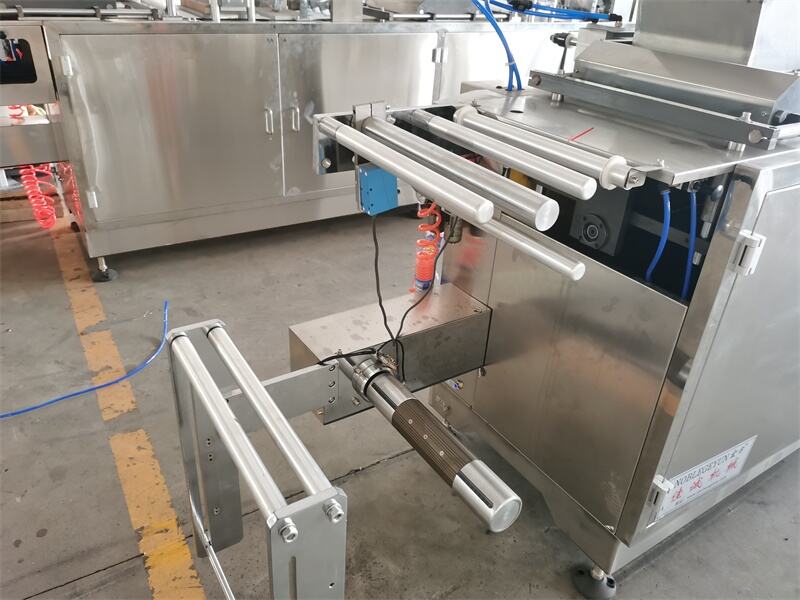
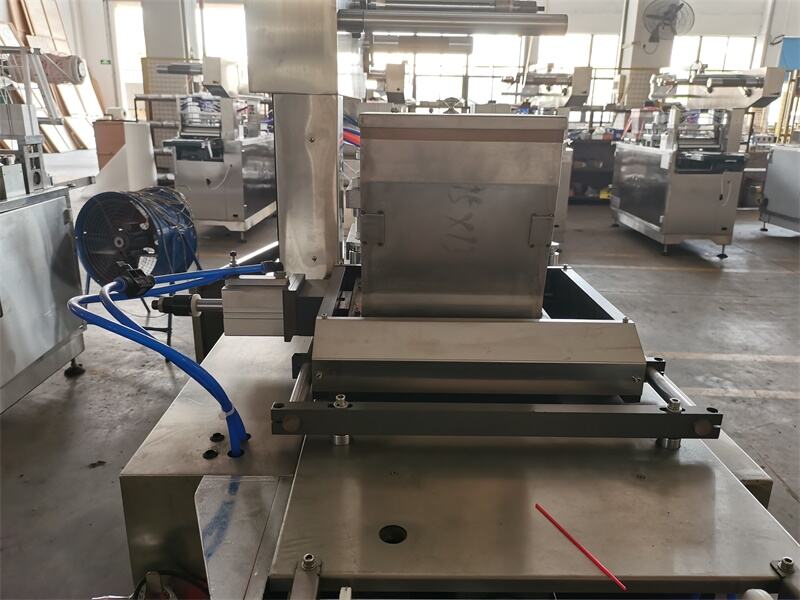
Key Demand Drivers: Aging Populations, Chronic Pain, and At-Home Care Expansion
Rising Musculoskeletal Disorders and Age-Related Pain Driving Clinical and Consumer Adoption
The world's growing older population means we're seeing a big jump in musculoskeletal problems like osteoarthritis, rheumatoid arthritis, and osteoporosis. These conditions now impact around 1.7 billion people globally according to WHO data from 2023. Over a quarter of all adults deal with chronic pain these days, much of it coming from natural aging processes. This has created a surge in demand for treatments that don't involve medication. Manufacturers are reporting about 15% more orders each year for products focused on managing age related pain. We see this growth happening in hospitals and clinics as well as through online sales directly to consumers. Why? Obesity levels keep climbing and fewer people are getting regular exercise, both things that put extra stress on our bones and joints. Thanks to automated manufacturing systems, companies can produce warm pads at scale while maintaining quality standards. This helps meet needs across different markets including hospitals, pharmacies, and online retailers without cutting corners on safety requirements.
Cost-Conscious Healthcare Shift: Growth in Self-Managed Thermal Therapy at Home
Around the globe, healthcare providers are really focused on keeping costs down, which is why we're seeing about $104 billion move towards home based care options right now. The CDC predicts home health patient numbers will jump around 22% by 2034. As part of this big shift in how care is delivered, thermal therapy stands out as something pretty valuable but not risky at all. It cuts back on those extra trips to clinics, means people don't have to rely so much on painkillers like ibuprofen or even stronger medications, and lets folks manage their symptoms themselves day after day. People dealing with long term health issues want devices they can reuse and figure out easily, which explains why there's growing interest in comfortable, safe warm pads that actually work. Manufacturers are stepping up with automated machines to make these pads in bulk, producing FDA approved and CE marked products meant specifically for home use prevention. And when these heating devices connect to remote monitoring systems, they become much more than just comfort items. They turn regular thermal treatments into real data points that doctors can track and act upon within modern payment models focused on outcomes rather than procedures.
Warm Pad Making Machine Advancements: Automation, Precision, and Smart Manufacturing
From Semi-Automatic to Fully Integrated Warm Pad Making Machines
Manufacturers are shifting away from semi automatic systems toward complete integration in warm pad production. These new machines combine everything from feeding materials through precise cutting, placing heating elements, sealing seams, all the way to quality checks in one seamless operation. The latest automation setups cut down on workforce expenses by around 40 percent and boost output rates twice what they were with older methods. What's really impressive is the level of detail these systems achieve at the micron scale. This kind of precision matters a lot when it comes to maintaining reliable heat distribution across pads and meeting those strict safety standards that regulators demand nowadays.
Modularity is central to this evolution: production lines can reconfigure between product types—orthopedic, maternity, pet, or micro-joint pads—in under 10 minutes. This agility meets surging demand for personalized, condition-specific thermal solutions without requiring dedicated equipment per SKU.
| System Type | Key Capabilities | Output & Quality Impact |
|---|---|---|
| Semi-Automatic | Manual loading/unloading, basic stitching | ~12–15 pads/hour; higher variability in seam integrity and heating uniformity |
| Fully Automated | Robotic feeding, AI-guided vision inspection, closed-loop temperature calibration | 30–35 pads/hour; <0.5% defect rate; full traceability per unit |
IoT-Enabled Monitoring and AI-Powered Quality Assurance in Warm Pad Production
Modern warm pad production lines now have IoT sensors built right into the machinery, gathering live information about things like temperature changes across surfaces, air pressure levels, electrical resistance readings, and how tightly packed the filling material is. All this data streams directly to cloud based MES platforms for analysis. The biggest benefit? Predictive maintenance capabilities that reduce unexpected machine stoppages by around a quarter. When something goes wrong, the system reacts fast too. Take those tiny air pockets sometimes found between conductive layers these can cause heating issues in about three out of every hundred older models according to industry stats. But here's where the smart tech shines: when infrared cameras spot these gaps during inspection cycles, the AI automatically adjusts dispenser settings and tweaks the curing process parameters long before anyone even starts the next production run.
Advanced machine learning systems that have analyzed thousands upon thousands of thermal performance tests are now able to link together raw material properties, environmental factors, and manufacturing parameters with how well devices actually perform. What does this mean in practice? About 18 percent less wasted materials overall, better control over energy consumption throughout the production process, and most importantly, all manufactured units consistently pass the strict ISO 13485 medical device standards. This means patients get reliable therapeutic results right from day one until the very last time they need treatment.
Next-Generation Warm Pad Design: Safety, Sustainability, and User-Centric Innovation
Eco-Friendly Conductive Materials and Energy-Efficient Thermal Layer Integration
Sustainability isn't just something companies talk about anymore it has become part of how products get designed from the ground up. Many top manufacturers are turning to materials like plant based conductive yarns and recycled polymer composites made from old consumer goods. This switch cuts down on what we call embodied carbon by around 40 percent compared to regular oil based materials according to data from UL's Sustainable Products Database released last year. The good news is these eco friendly options still meet important industry standards for heat transfer as set by ASTM F2621. Plus they work within all those European regulations nobody likes to mention but everyone must follow REACH and RoHS requirements.
Adding phase change materials to thermal layers really boosts energy efficiency. These materials can hold onto heat for about 25 to 30 extra minutes during each charge cycle, which means devices pull less power overall – somewhere around 15% to 22% less according to the latest NIST benchmark from 2024. The good news is that this improvement actually makes things greener without anyone noticing any difference in how well the equipment works or how satisfied users are with their experience.
Smart Safety Features (Auto Shut-Off, Dual-Zone Temperature Control) and Ergonomic Form Factors
Today's heating pads come with smart microprocessor technology that allows for really accurate temperature control. These devices can actually adjust heat delivery in different areas at once. For instance, some models offer separate settings where the lower back might stay around 40 degrees Celsius while another part of the pad reaches about 45 degrees for treating sore joints. The temperature stays pretty consistent too, within half a degree difference between zones. Most pads also have an automatic shut off feature that kicks in somewhere between 90 to 120 minutes later. This helps prevent burns which is important since studies show that overheating was responsible for roughly three quarters of all reported thermal injuries according to FDA records from recent years.
Innovation in ergonomics isn't just about gadgets anymore. The shells that fit the body's curves actually help with better spine positioning and spread out pressure points more evenly. Plus, those special fabrics that wick away sweat and fight microbes make wearing them much more comfortable and keep things cleaner overall. People who deal with ongoing pain stick to their treatment plans 34% longer when they have this kind of support according to research published last year in the Journal of Pain Research. And here's something important for manufacturers to know these days: during actual production runs, smart machines check all the safety stuff as they go along. These IoT enabled devices test if the circuits work properly, how fast they heat up, and whether they turn off at the right time before anything gets packed up for sale.
Market Evolution: Electric Warm Pads Lead Amid Diversifying Product Segments
The electric warm pad market has really taken off lately, accounting for more than 60% of all thermal therapy products sold worldwide according to the Thermal Therapy Report from 2024. People love them because they work reliably, can be programmed to specific settings, and actually play nice with modern digital health systems. But just because these pads dominate the market doesn't mean companies aren't branching out in interesting ways. Manufacturers are getting creative with different product lines - think tiny pads designed specifically for fingers and wrists, larger wraps with multiple heating zones for areas affected by complex regional pain syndromes, and even eco-friendly versions made with bamboo fibers for those concerned about sustainability. Behind this expansion lies advanced manufacturing technology that allows production machines to switch between different configurations quickly, incorporate new materials as needed, and embed intelligent safety features without slowing down production speeds or compromising on meeting regulations. What we're seeing right now is basically two approaches happening at once: growing the mainstay electric pad business while also tapping into those lucrative specialty markets where customers are willing to pay extra for tailored solutions. Innovation isn't just about clinical effectiveness anymore; it's equally about meeting what people actually want from their healthcare products.
FAQ Section
What are musculoskeletal disorders?
Musculoskeletal disorders refer to a range of conditions that affect the bones, joints, muscles, and ligaments, leading to pain and impaired movement. Common examples include osteoarthritis, rheumatoid arthritis, and osteoporosis.
Why is there an increase in demand for non-medicated treatments?
The rise in demand for non-medicated treatments is due to the increasing prevalence of chronic pain associated with aging populations and the desire to reduce reliance on painkillers, which can have side effects.
What are the benefits of thermal therapy?
Thermal therapy helps manage pain, reduces the need for clinic visits, and minimizes dependence on painkillers, allowing for self-managed care at home.
How do modern warm pad making machines improve production?
Modern warm pad making machines are fully automated, enhancing precision, safety, and production efficiency while reducing workforce costs.
Are warm pads eco-friendly?
Yes, many manufacturers are now using eco-friendly materials like plant-based conductive yarns and recycled composites, reducing environmental impact.
Table of Contents
- Key Demand Drivers: Aging Populations, Chronic Pain, and At-Home Care Expansion
- Warm Pad Making Machine Advancements: Automation, Precision, and Smart Manufacturing
- Next-Generation Warm Pad Design: Safety, Sustainability, and User-Centric Innovation
- Market Evolution: Electric Warm Pads Lead Amid Diversifying Product Segments
- FAQ Section