Background & Sustainability Challenges:
With the full implementation of the EU Single-Use Plastics (SUP) Directive, a leading Polish packaging firm faced a strategic transition from traditional PET/PP to biodegradable PLA (Polylactic Acid). However, PLA is notoriously "temperamental"—it has an extremely narrow thermal processing window (typically only 15-20°C) and rheological properties that are hypersensitive to temperature fluctuations. Excess heat causes mold adhesion; insufficient heat leads to brittle cracking.
Deep Technical Dilemma:
PLA exhibits a significant tendency for spontaneous crystallization during thermoforming. This requires equipment to possess both an extremely precise heating curve and rapid, coordinated cooling capabilities. In early trials with other brands, the client encountered the "Perfect First Mold, Failed Hundredth Mold" syndrome, caused by uneven thermal distribution in the oven and lagged cooling responses.
Jiacheng’s Original Solution:
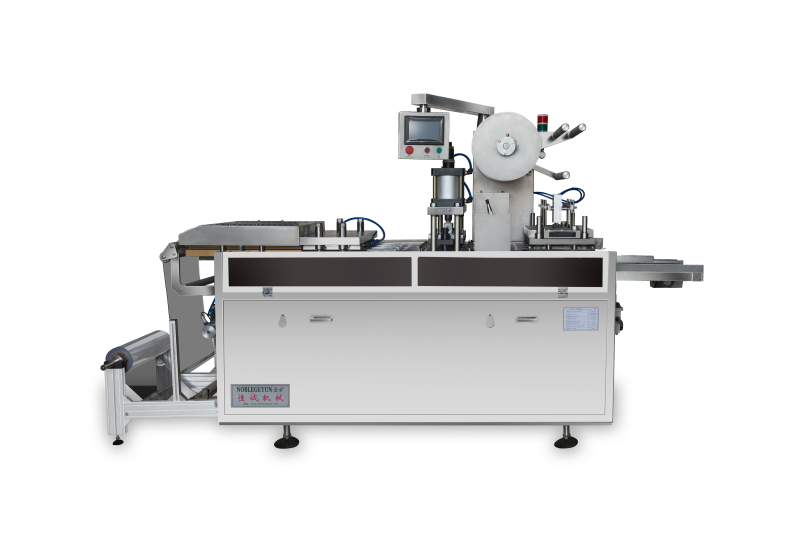
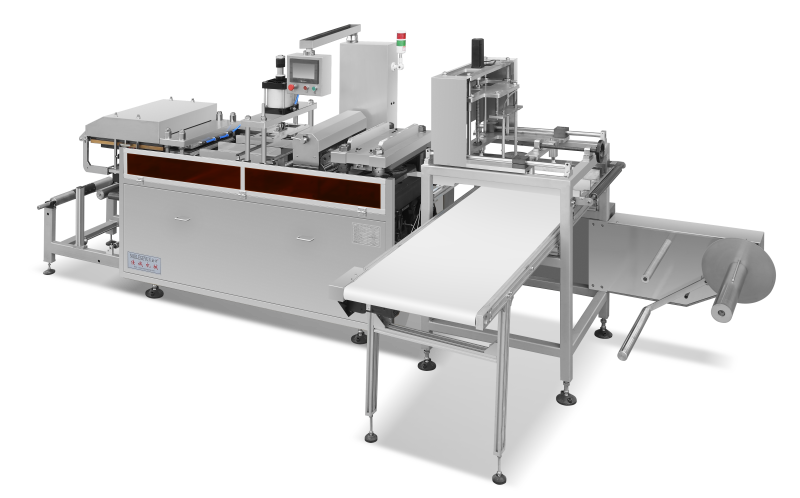
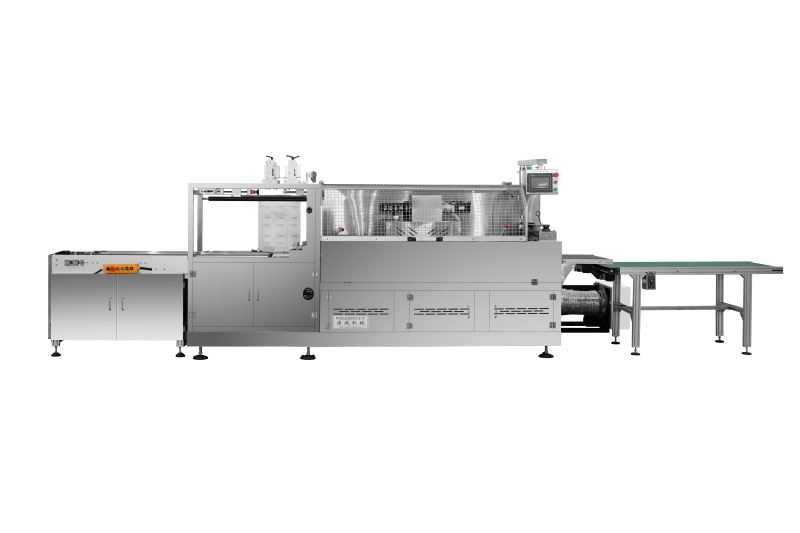
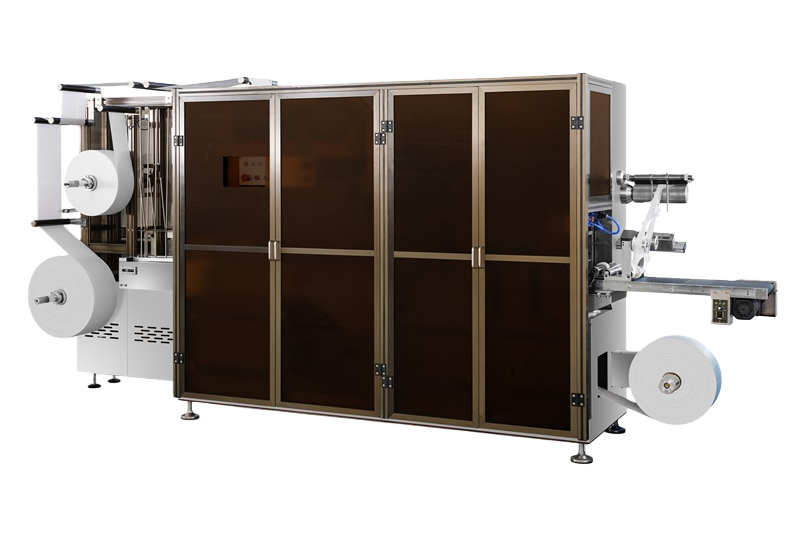
The Jiacheng R&D Center developed the Matrix-Sense Heating Array and Low-Temperature Air Curtain Forming Technology.
Matrix Temperature Control: The heating zone was subdivided into 80 independent control points, each driven by an independent PID algorithm. By utilizing infrared real-time thermal mapping, the system automatically compensates for local temperature drops caused by workshop airflow.
Precision Pre-Stretching Logic: To address PLA’s inherent lack of toughness, we designed an auxiliary stretching plug with damping feedback. By controlling the slope of the stretching speed, we ensured uniform material elongation within the cavity, eliminating "bottom thinning."
Rapid Mold Response: Integrated with high-efficiency chillers, we utilized conformal cooling channels within the mold to ensure the cooling medium uniformly covers every cavity edge, locking the crystallinity within the ideal range.
Results & Industry Impact:
The client successfully launched a 0.25mm ultra-lightweight biodegradable fruit container.
Waste Reduction: Scrap rates for PLA were suppressed to under 2%, far below the industry average of 5%.
Market Share: With superior transparency and drop strength, the product quickly penetrated high-end organic supermarkets in France and Germany.
Brand Endorsement: This case was hailed as a benchmark for Chinese high-end machinery promoting the "Circular Economy" in Europe, attracting interest from multiple EU environmental fund projects.

 EN
EN