
 EN
EN
In the manufacturing of disposable heating products, such as hand warmers and body patches, consistency is the hallmark of quality. However, one of the most persistent challenges faced by producers is Uneven Heating, where certain areas of the pad become excessively hot while others remain lukewarm or fail to activate entirely. For quality engineers and production managers, addressing this issue requires a systematic approach to Troubleshooting that goes beyond simple formula adjustments. It involves a holistic review of the entire production line, from raw material mixing to final packaging. The ultimate goal is to ensure stable Product Performance that meets consumer expectations for safety and comfort. This article explores the root causes of thermal inconsistency and demonstrates how optimizing the structural integrity of packaging components through advanced thermoforming technology can significantly mitigate these issues, ensuring every unit delivers uniform heat.
Understanding the Root Causes of Uneven Heating
To effectively engage in Troubleshooting, one must first understand the chemistry and physics behind the warming process. The exothermic reaction relies on the oxidation of iron powder, facilitated by water, salt, activated carbon, and vermiculite. Uneven Heating often stems from an imbalance in this mixture. If the iron powder is not evenly distributed during the filling process, "hot spots" can occur where the concentration of reactants is too high, leading to localized overheating. Conversely, areas with insufficient powder may fail to generate adequate heat.
Furthermore, the role of oxygen cannot be overstated. The reaction rate is directly proportional to the oxygen supply. If the breathable membrane is compromised or if the packaging structure restricts airflow unevenly, the oxidation process will proceed at different rates across the pad. This results in erratic Product Performance. Therefore, Troubleshootingmust consider not just the chemical formulation but also the physical environment in which the reaction takes place. Any deviation in the structural support provided by the packaging can lead to significant variations in heat distribution.
The Critical Role of Packaging Structure in Thermal Consistency
While much attention is paid to the internal powder mixture, the external packaging plays a pivotal role in maintaining Product Performance. The plastic tray, backing layer, or outer shell provides the structural framework that holds the powder in place and ensures consistent contact with the breathable membrane. If these structural components are inconsistent in thickness, flatness, or dimension, they can create voids or pressure points that disrupt the uniformity of the powder bed.
This is where precise manufacturing becomes essential. Inconsistent packaging structures can lead to Uneven Heatingby altering the path of oxygen diffusion or causing the powder to shift during transport and use. For instance, a warped plastic tray may prevent the sealing jaws from applying uniform pressure, resulting in micro-leaks that allow uncontrolled air entry. Such defects are difficult to detect visually but have a profound impact on thermal output. Effective Troubleshooting therefore includes a rigorous assessment of the packaging components’ dimensional stability. By ensuring that the structural elements are produced with high precision, manufacturers can eliminate a major source of variability in Product Performance.
Systematic Troubleshooting Strategies for Manufacturers
When facing complaints of Uneven Heating, manufacturers should adopt a structured Troubleshooting protocol. The first step is to analyze the temperature curve of the affected batches. Does the peak temperature occur too early? Is the duration shorter than expected? These data points can help isolate whether the issue lies in the reaction kinetics or the physical containment.
Next, inspect the powder filling process. Are there signs of segregation or clumping? Uniform dispersion is critical for consistent heat generation. Additionally, evaluate the sealing process. Check for any signs of wrinkling, incomplete seals, or misalignment of the breathable membrane. Finally, examine the structural integrity of the packaging components. Are the trays or shells uniform in shape and thickness? Any deviation here can contribute to Uneven Heating. By methodically eliminating potential causes, engineers can pinpoint the source of the problem and implement corrective actions to restore stable Product Performance.
Enhancing Stability with Advanced Thermoforming Technology
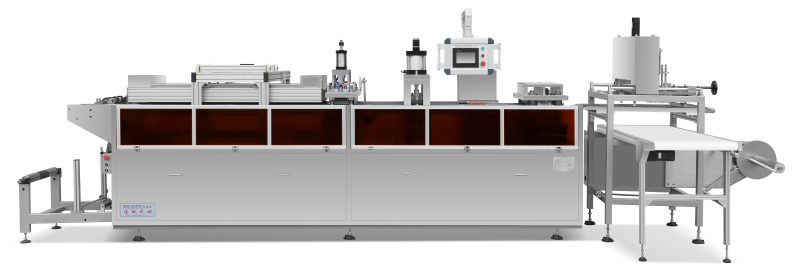
To address the structural aspects of Uneven Heating, investing in high-precision thermoforming equipment is a strategic move. Wenzhou Jiacheng Machinery Co., Ltd. offers solutions that directly support the consistency required for optimal Product Performance. Our JCPP-520 Automatic PP Products Thermoforming Machine is designed to produce plastic trays, shells, and components with exceptional dimensional accuracy.
The first key advantage of the JCPP-520 is its multi-station automatic production capability. This automation minimizes human error and ensures that every component produced is identical in form and dimension. By eliminating variations in the packaging structure, the machine helps prevent the physical distortions that can lead to Uneven Heating. Consistent trays ensure that the powder bed remains uniform and that the seal is applied evenly across the entire surface, promoting stable oxygen flow and predictable heat distribution.
Secondly, the JCPP-520 offers compatibility with multiple materials, including PP, PET, and PS. This flexibility allows manufacturers to test different packaging structures to find the optimal configuration for their specific product needs. Whether a rigid tray is needed for structural support or a flexible film for comfort, the machine can adapt without compromising on precision. This versatility aids in Troubleshooting by enabling rapid prototyping and validation of new packaging designs that enhance Product Performance.
Thirdly, the machine features flexible mold changeover capabilities. This allows for the efficient production of various specifications of warm pad packaging and components. In a market where product diversity is key, the ability to switch between different molds quickly and accurately ensures that quality remains consistent across all SKUs. This reduces the risk of Uneven Heating caused by setup errors or transitional inconsistencies, thereby supporting a robust and reliable production Supply Chain.
Case Study: Resolving Heating Issues in North America
A compelling example of the impact of structural consistency on Product Performance occurred in January 2024 at a manufacturing facility in Ontario, Canada. A prominent producer of premium body warmers was experiencing a surge in customer complaints regarding Uneven Heating. Users reported that some parts of the pad were uncomfortably hot, while others provided little warmth. Initial Troubleshooting focused on the iron powder supplier, but batch tests revealed no significant deviations in material quality.
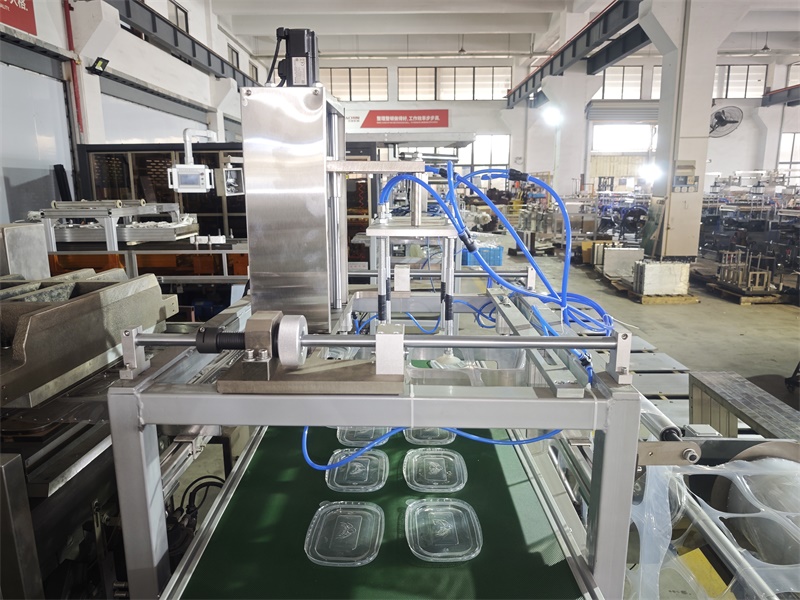
The investigation then shifted to the packaging line. It was discovered that the plastic backing trays had slight variations in wall thickness due to an older, less precise forming machine. These inconsistencies caused uneven sealing pressure, leading to irregular oxygen intake. The company replaced their existing equipment with the JCPP-520 from Wenzhou Jiacheng Machinery. The new machine produced trays with uniform thickness and precise dimensions. Within weeks, the incidence of Uneven Heating dropped by 90%, and customer satisfaction scores improved significantly. This case underscores how addressing structural variables through advanced thermoforming can resolve complex Troubleshooting challenges and enhance overall Product Performance.
Conclusion and Certification Standards
In conclusion, Uneven Heating in warm pad products is a multifaceted issue that requires a comprehensive Troubleshooting approach. While chemical formulations are important, the structural integrity of the packaging plays a crucial role in ensuring consistent oxygen flow and heat distribution. By investing in high-precision thermoforming equipment like the JCPP-520, manufacturers can eliminate structural variabilities that contribute to thermal inconsistency, thereby enhancing Product Performance.
To ensure compliance and build trust with global markets, manufacturers should adhere to recognized quality and safety standards. Equipment used in the production process should hold certifications such as ISO 9001 for quality management systems, ensuring that manufacturing processes are consistently monitored and improved. Additionally, CE marking indicates compliance with European health, safety, and environmental protection standards, facilitating easier access to international markets. By combining rigorous Troubleshooting practices with certified, high-quality production equipment, manufacturers can deliver safe, reliable, and uniformly heating products to consumers worldwide.