
 EN
EN
How Slipper Making Machines Support High-Volume, Hygienic Disposable Slipper Production
Core automated stages: Cutting, forming, bonding, and packaging in one integrated line
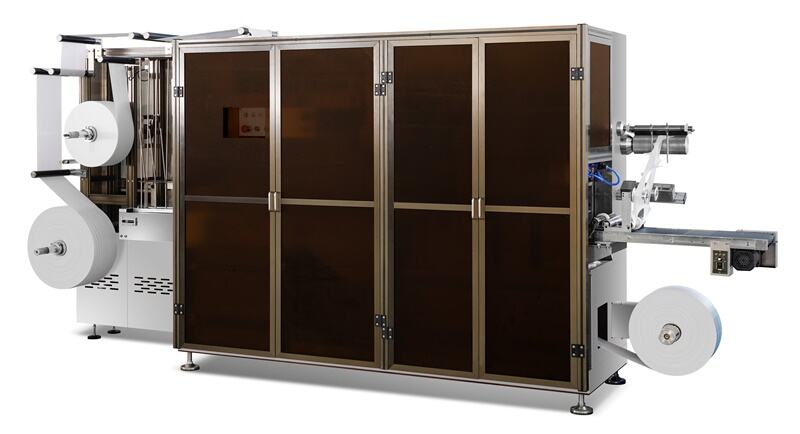
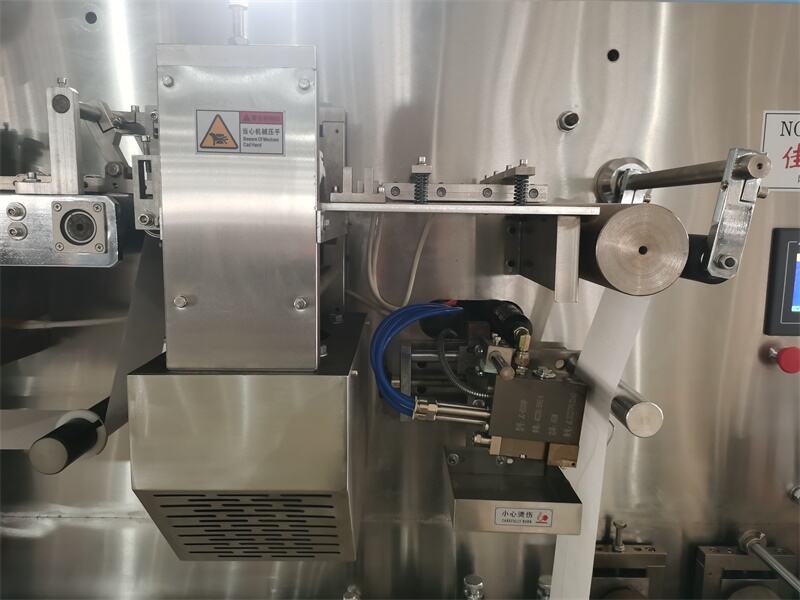
Today's slipper manufacturing equipment turns raw materials into finished slippers across four main steps. First comes precision cutting that works on non-woven polypropylene sheets with computer controlled dies. This ensures every piece is sized just right and cuts down on wasted material. Then comes the forming stage where machine molds shape these pieces into upper parts and soles with remarkable consistency. After that, bonding happens either through heat activated glue or those fancy ultrasonic welders we see in factories. No need for workers to handle anything at this point. Lastly, an automatic wrapper seals each pair inside clean plastic covers. The whole system runs like clockwork once materials go in, which means no human hands touch anything after loading. According to the latest Footwear Hygiene Report from 2024, this setup slashes contamination risks by about three quarters compared to old fashioned manual assembly lines. For hotels that need to switch between different brands' specifications all day long, these integrated systems keep everything sanitary while letting them quickly swap out designs as needed.
Throughput capacity: 3,000–8,000 pairs/day per slipper making machine
An automatic slipper making machine typically produces between 3,000 and 8,000 pairs each day, though actual numbers vary based on fabric thickness, design details, and how the machine is set up. When working with thinner non woven materials or simple single layer designs, these machines can really crank out product at their fastest rate, sometimes making a new pair every 6 to 12 seconds flat. For most boutique hotels needing around 10,000 pairs per week, running two of these machines covers demand pretty well. The nice thing about this setup is that it scales easily for busy tourist seasons without needing extra staff hours. And having steady production means better stock control too, so there's less chance of running dry when customers start coming in droves.
Hotel-Specific Requirements Driving Slipper Making Machine Customization
Hygiene compliance, brand integration (embossed logos), and guest experience optimization
The hospitality industry needs slipper manufacturing setups that meet tough cleanliness requirements. Automated systems with enclosed processes reduce direct human handling, and many modern machines come equipped with self-cleaning functions plus antimicrobial materials to stay within health regulations. Getting the branding right matters too. Precision embossing tech and inline printers let manufacturers stamp hotel logos or decorative patterns right onto the slippers as they're being made, which keeps the brand visible without holding back production speed. Consistent quality makes all the difference for guests. Well-tuned machinery cuts down on problems such as crooked seams or fabric coming loose, things that definitely affect how comfortable someone feels wearing them. About three out of four upscale hotels put slipper appearance and feel at the top of their guest satisfaction checklist. So when hotels invest in these high precision manufacturing tools, they're actually protecting their reputation and keeping customers coming back for another stay.
Material flexibility: Non-woven PP, EVA foam, cotton-blends, and biodegradable options
Modern slipper making machines adapt seamlessly across substrates via adjustable tension systems, temperature-controlled molds, and low-heat sealing profiles:
| Material Type | Key Features | Hotel Application |
|---|---|---|
| Non-woven PP | Quick-bonding adhesives | Budget-friendly disposables |
| EVA foam | Temperature-controlled molds | Spa & premium comfort lines |
| Cotton-blends | Delicate tension systems | Luxury boutiques |
| Biodegradable PLA | Low-heat sealing | Eco-certified properties |
Roll changes take under 15 minutes, enabling swift transitions between product lines and supporting zero-waste initiatives. Over 65% of hoteliers now prioritize machinery certified for eco-material processing as sustainability becomes a non-negotiable procurement criterion.
Semi-Automatic vs. Fully Automatic Slipper Making Machines: Performance and ROI Comparison
Labor efficiency: 62% fewer operators required with full automation
Automatic slipper manufacturing machines cut down on staff requirements quite dramatically, needing only 1 or 2 people to monitor operations during each shift compared to around 3 to 5 workers needed for semi-automatic versions. The significant drop in labor demand comes mainly because these machines handle material feeding automatically, check product quality as it happens, and catch errors before they become problems, resulting in defects below half a percent. Sure, the older semi-automatic models might be easier to maintain technically speaking, but companies end up spending more money overall in the long run due to all those extra employees required. Training new staff becomes an issue too, along with dealing with employee turnover rates and making sure everyone works safely without straining themselves physically over time.
Payback period: Under 14 months for high-utilization hotel supply operations
Hotels making over 5000 pairs of shoes each day often see their money back within just 14 months when they switch to fully automatic production machines. Why so fast? Well, these machines run about 95 percent of the time compared to only 80 to 85 percent for older semi-automatic equipment. Labor costs drop by roughly half per item produced, and there's about 20 percent less wasted materials because the cuts are so much more precise. When operations reach this kind of volume, output regularly tops 8000 pairs per day. The initial investment starts paying off pretty quickly as businesses gain faster production speeds, better product consistency across batches, and easier compliance with quality standards.
FAQ
Q: What are the main steps involved in slipper production using automated machines?
A: The production involves precision cutting, forming, bonding, and packaging, all integrated within one system, ensuring sanitary and efficient manufacturing.
Q: How many pairs can a slipper making machine produce daily?
A: An automatic machine typically produces between 3,000 and 8,000 pairs per day, depending on fabric thickness and design complexity.
Q: How do slipper making machines cater to hotel-specific requirements?
A: These machines comply with hygiene standards, allow for branding integration, and optimize guest experience through consistent quality and design customization.
Q: What materials can modern slipper making machines process?
A: They can handle diverse materials like non-woven polypropylene, EVA foam, cotton blends, and biodegradable PLA, supporting various hotel applications.
Q: How does automation affect labor efficiency and ROI?
A: Automated machines dramatically reduce the need for labor, requiring fewer operators and providing a faster payback period, boosting overall efficiency and profitability.