
 EN
EN
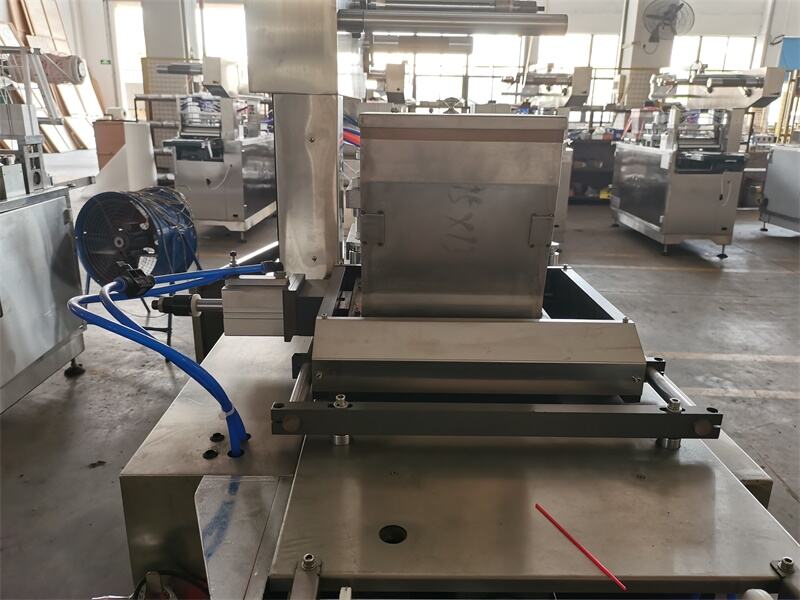
Precision Temperature Control for Warm Pad Making Machines
PID Controllers for Real-Time Thermal Regulation
PID controllers, also known as Proportional-Integral-Derivative systems, provide accurate temperature control for warm pads during manufacturing. These devices constantly calculate differences between desired temperatures and what's actually happening on the production line, making adjustments almost instantly before materials start breaking down from heat stress. Temperature stability stays within about plus or minus one degree Celsius, which means every part of the pad gets heated evenly throughout the process. This kind of consistency is really important for maintaining quality standards across all products coming off the assembly line. The system works through three main components: the proportional aspect handles sudden changes in temperature, the integral component takes care of small ongoing errors over time, and the derivative factor predicts how long it will take for things to stabilize after a change. When combined, these elements cut down on wasted energy compared to regular thermostats by roughly 15 to 20 percent, plus they stop dangerous overheating situations from occurring. Manufacturers often install multiple temperature sensors at different points along the production area too. This redundancy helps maintain system integrity even when running nonstop for extended periods without supervision.
Surface Temperature Limits and Human-Safe Operation (~40°C)
Warm pads that come into direct contact with skin need to stay below 40 degrees Celsius according to thermal safety standards set by ASTM. If temperatures go beyond this mark, first degree burns can occur in about ten minutes flat. Today's devices keep things safe with three main protections built right in ceramic insulated heating components, infrared sensors that monitor without touching, plus an automatic shut off system that kicks in around 38 degrees. When the surrounding temperature gets too hot (over 25 degrees), these systems adjust their heat output accordingly so they still work safely no matter where they're used. All these features comply with IEC 60335 regulations for home appliance safety standards while making sure people get enough warmth without risking injury.
Integrated Safety Systems in Warm Pad Making Machines
Fire-Resistant Materials and UL/IEC Compliance Requirements
The hot spots in warm pad manufacturing equipment rely on materials that just won't catch fire easily, such as ceramic fiber insulation and special flame retardant plastics. These components keep their shape even when temperatures hit over 500 degrees Celsius. Meeting safety standards like UL 60335 for household appliances and IEC 60730 for automatic controls isn't optional anymore. Manufacturers have to prove through independent tests that their machines properly isolate electricity and shut down safely when things get too hot. The UL requirements actually demand that any overheating situation gets contained within half a second flat. Meanwhile, getting IEC certified means the system has to automatically power off completely once surrounding temps climb past 65 degrees Celsius. Following both these rules together seems to work pretty well in practice too. Industry reports from 2023 show factories using compliant equipment saw around three quarters fewer fires than those still running older models without proper safeguards.
Thermal Protection Against Adjacent Tissue or Material Damage
The multi layer thermal buffering system uses aerogel barriers placed between layers of stainless steel sheathing. This design brings thermal conductivity down to less than 0.03 W/m K, keeping heat from spreading beyond a 3mm area around the material. When things get too hot, proximity sensors kick in and stop the process before anything reaches dangerous levels. These sensors react incredibly fast, shutting things down in under half a second when materials start approaching their ignition point. What makes this setup really important is that it keeps outside surfaces cool enough to touch, staying below 45 degrees Celsius even during maximum operation. Operators don't have to worry about burns because of this protection. According to industry safety records, implementing these kinds of heat management solutions has cut down on heat related injuries by about 92 percent compared to older methods.
Thermal Stability Design: Machine, Insulation, and Pad Architecture
The thermal stability of warm pad making machines comes down to how well three main areas work together: the machine's frame, what insulates it, and how the actual pads are designed. Manufacturers build frames from materials that expand very little when heated (with thermal expansion coefficients below 1.5 x 10^-6 per Kelvin) so they don't warp after many heating cycles. For insulation, most companies go with ceramic or silicone layers. These do double duty by keeping surfaces cool enough to handle safely and saving energy at the same time. Some tests show these insulated systems can cut power usage by around 30% compared to older models without proper insulation. Inside each pad, special conductive layers help spread out heat where it gets too concentrated, and there are also materials built in that soak up sudden temperature changes. When all these elements work together properly, the result is equipment that stays stable over time, lasts longer, and simply won't overheat like cheaper alternatives tend to do.
Emerging Standards and Smart Safety Innovations for Warm Pad Making Machines
AI-Enhanced Sensing and Predictive Thermal Safeguards
The world is changing when it comes to safety standards these days, especially with how AI and IoT tech are being built right into modern warm pad manufacturing equipment. These smart thermal sensors don't just monitor heat levels they actually learn from patterns in how materials react to different temperatures. They can spot signs of overheating way before it happens sometimes as much as half a minute ahead of time! The system works by comparing what's happening right now with past performance data, then tweaks the power supply accordingly. This keeps surfaces at just the right warmth without risking dangerous overheating situations. For manufacturers, this kind of smart technology means less need for constant human oversight and better compliance with those increasingly strict safety regulations governing all kinds of heated products sold around the globe.
FAQ
What is a PID controller used for in warm pad making machines?
A PID controller is used for accurate temperature control in warm pad making machines, ensuring uniform heating and preventing overheating by constantly adjusting temperature settings.
Why is it important for warm pads to stay below 40°C?
Warm pads must stay below 40°C to prevent skin burns and comply with safety standards set by ASTM.
What materials are used to prevent fire in warm pad making machines?
Materials such as ceramic fiber insulation and flame retardant plastics are used to prevent fire in warm pad making machines.
How do smart thermal sensors improve safety in warm pad making machines?
Smart thermal sensors enhance safety by learning from temperature patterns and predicting potential overheating, mitigating risks before they occur.