
 EN
EN
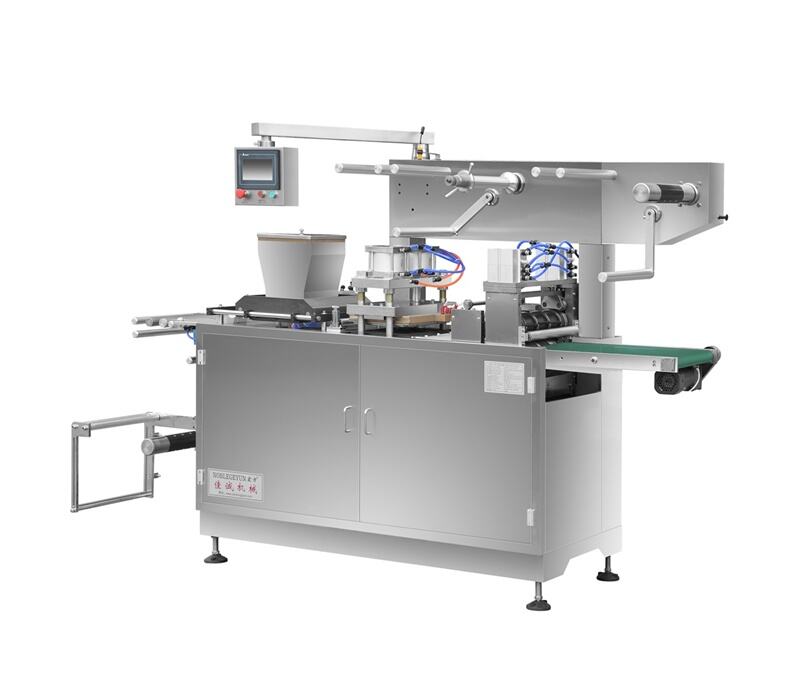
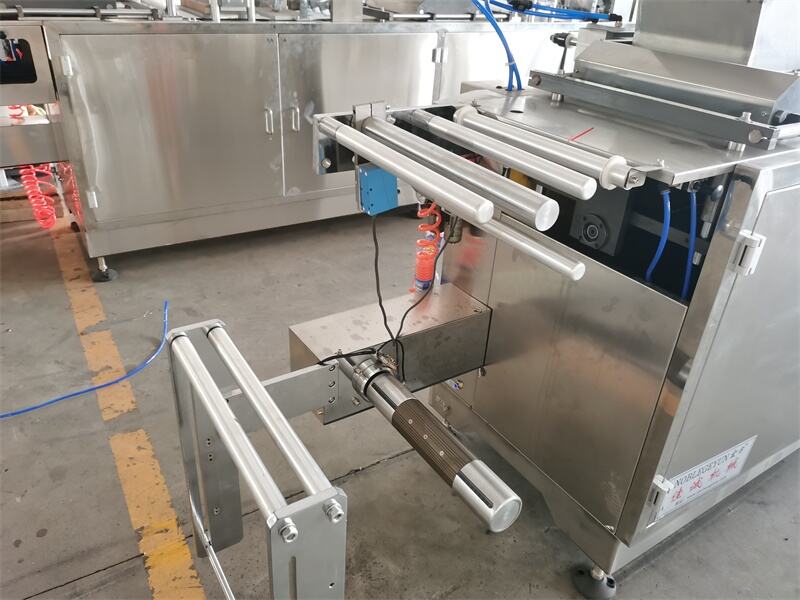
Core Thermal Materials: Enabling Heat Generation and Retention
Phase-Change Materials (PCMs) for Controlled, Long-Lasting Heat Release
Phase Change Materials, or PCMs for short, work pretty well in warm pads because they can store and release lots of energy when changing from solid to liquid and back again, all while keeping the temperature pretty much the same. This means these materials help maintain those therapy temps around 40 to 45 degrees Celsius for much longer periods than regular methods. Take paraffin wax as an example of organic PCM material it packs about three to four times more energy storage capacity compared to standard heat storage options. Plus, after hundreds of heating and cooling cycles, these materials tend to perform reliably each time. For manufacturers making warm pad machines though, there's something important to remember PCMs need special treatment like microencapsulation or other stabilization techniques so they don't leak out or separate phases when subjected to constant temperature changes over time.
Exothermic Reaction Systems: Iron Powder, Salt, and Activated Carbon Formulations
When air gets into the packaging after it's removed, air-activated exothermic systems start generating heat through a process where iron powder oxidizes in a controlled way. Most effective formulas contain around 70 percent fine iron particles measuring between 50 and 100 micrometers. They also include salt catalysts like sodium chloride, some water-holding vermiculite material, plus activated carbon which acts as sort of a sponge-like structure for reactions to happen evenly throughout the mix. These heating packs maintain comfortable skin temperatures ranging from about 38 degrees Celsius up to 42 degrees for roughly 8 to 12 hours total. Temperature differences between batches stay within plus or minus 2 degrees generally speaking. In large scale production settings, getting the right mix of particle sizes matters a lot because uneven blends can lead to dangerous hot spots or systems that cool down too quickly before their time is up, which affects both how many good products get made and whether they meet safety standards required by regulators.
Functional Barrier and Safety Layers for Skin-Friendly Performance
Breathable Microporous Films: Balancing Moisture Vapor Transmission and Thermal Efficiency
The breathable microporous films used in warm pads serve as important barriers that let moisture escape while keeping warmth where it's needed most. These films can transmit vapor at rates over 2000 grams per square meter every 24 hours, which is pretty impressive when considering they also maintain the heat therapy effect. The tiny pores in these materials help sweat escape from the skin, cutting down on skin issues by around 34% compared to regular non-breathable options, all without letting valuable body heat escape through convection. Typically made between 15 to 25 microns thick, such films hold up well during the manufacturing process in automated equipment for warm pad production. Some newer versions even contain special water-attracting polymers that adjust how the pores work based on surrounding conditions like humidity and temperature changes, making them much more comfortable for people using them in different situations throughout the day.
Nonwoven Insulation Substrates: Polyester and Polypropylene in Warm Pad Construction
The main insulating layer in today's warm pads consists of polyester and polypropylene nonwovens. These materials work their magic through an air-trapping fibrous structure that can reach thermal resistance levels around 0.8 clo. Polyester stands out for keeping warmth locked in and bouncing back after being compressed, whereas polypropylene does the job of pulling moisture away quickly from where it touches skin, moving roughly 70% of surface dampness out of the way. Manufacturers typically process these materials at weights between 60 to 100 grams per square meter using methods like needle punching or thermal bonding techniques. What makes this interesting is how these substrates hold their shape and thickness even when running through high speed production lines for warm pad assembly. Now there are also recycled content options available that perform just as well in terms of insulation and processing characteristics, all while cutting down on material expenses by about a quarter compared to virgin materials.
Adhesive and Structural Components Optimized for Warm Pad Making Machine Integration
Pressure-Sensitive Acrylates vs. Hot-Melt Thermoplastics: Compatibility with High-Speed Laminating and Sealing
Adhesive selection directly influences throughput, yield, and end-product integrity in automated warm pad assembly. Pressure-sensitive acrylates (PSAs) bond instantly at room temperature and allow limited repositioning during lamination–valuable for aligning delicate thermal layers–but may lose shear strength under sustained heat exposure, increasing delamination risk during high-speed sealing.
Hot melt thermoplastics (HMTs) set pretty quickly once they start cooling down, reaching full bonding strength around 8 to 12 seconds after application. This compares to pressure sensitive adhesives (PSAs) that grab right away but don't hold as well under shear forces. Factories using HMTs can actually run production lines about 30 percent faster since these materials maintain their grip even when subjected to repeated heating and cooling cycles up to 60 degrees Celsius. That kind of durability makes all the difference for maintaining pad integrity over time. While working with molten HMTs does need careful temperature management during application, there's no need for solvents at all. This absence of volatile chemicals creates safer conditions for workers and helps companies stay on top of their environmental regulations without extra hassle.
For seamless integration with warm pad making machines:
- HMTs maintain viscosity stability above 150°C for uninterrupted dispensing
- PSAs demand ±0.5 mm placement accuracy to avoid misalignment in high-speed laminators
- Thermoplastic systems show superior compatibility with polypropylene barriers during ultrasonic sealing–cutting rejection rates by 22% in validation trials
Manufacturers prioritizing throughput typically adopt HMTs; PSAs remain preferred for low-volume, high-precision applications requiring real-time adjustment.
Material Selection Criteria for Consistent Warm Pad Making Machine Output
Reliable warm pad making machine performance hinges on selecting materials that balance thermal function with mechanical and process compatibility. Critical criteria include:
- Thermal conductivity: PCMs range from 3.0–8.0 W/mK; consistent values ensure uniform heat transfer across batches
- Thermal stability: Materials must endure -20°C to 125°C without degradation, discoloration, or off-gassing
- Mechanical compliance: Flexibility and compressibility must accommodate feeding, folding, and ultrasonic sealing without jamming or layer shift
- Manufacturing suitability: Low shrinkage (<0.3%), stable melt flow (for HMTs), and tight thickness tolerance (±0.1 mm) prevent defects and downtime
- Safety compliance: All components contacting skin must meet ISO 10993 biocompatibility standards; medical-grade applications require additional USP Class VI certification
When materials aren't consistent enough, they cause roughly 20-25% of unexpected production holdups in making thermal products. To hit around 98% uptime on machines, manufacturers need to balance how well materials conduct heat against their physical properties that work with machinery. Things like knowing how much materials expand when heated and whether surfaces stick properly to adhesives matter a lot. Cutting costs is definitely important for any business, but it shouldn't come at the cost of being able to reproduce results consistently, ensuring worker safety, or meeting all the necessary regulations that govern the industry.
FAQs
What are Phase-Change Materials (PCMs) used for?
Phase-Change Materials are used in warm pads to store and release energy while maintaining consistent temperatures, enhancing heat retention.
How do exothermic reaction systems generate heat?
Exothermic reaction systems generate heat through controlled oxidation of iron powder, which is activated when exposed to air.
Why are breathable microporous films important in warm pads?
Breathable microporous films allow moisture to escape while retaining heat, improving comfort and reducing skin issues.
What is the role of adhesives in warm pad production?
Adhesives like pressure-sensitive acrylates and hot melt thermoplastics ensure product integrity and compatibility with high-speed production processes.
What material selection criteria are critical for warm pad making machines?
Key criteria include thermal conductivity, stability, mechanical compliance, manufacturing suitability, and safety compliance.