 EN
EN
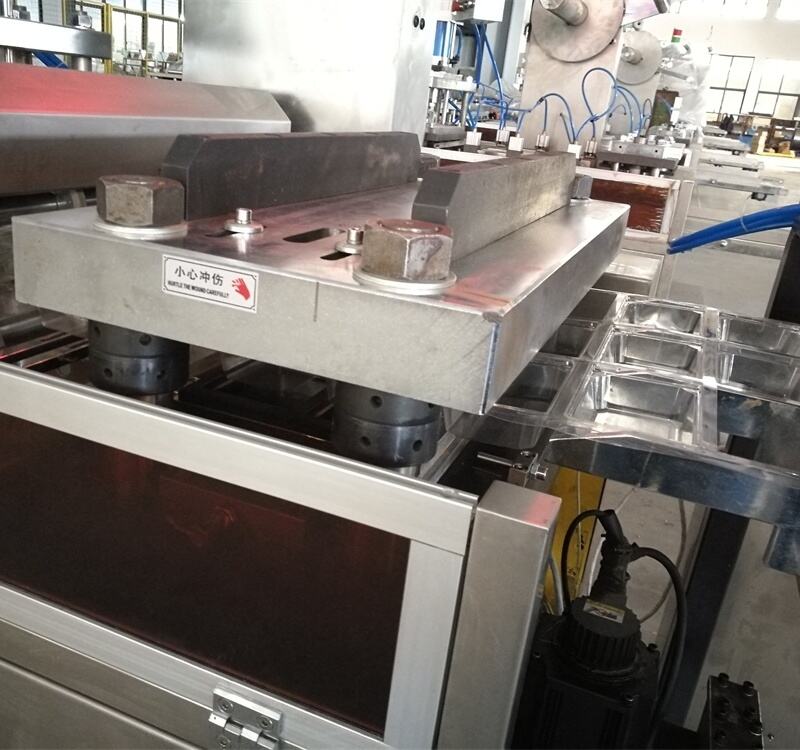
Daily Maintenance Essentials for Plastic Thermoforming Machines
Critical Daily Checks: Hydraulic, Pneumatic, and Cooling System Integrity
Start each shift by verifying hydraulic fluid levels and inspecting all hoses and seals for leaks—undetected ruptures can cause system pressure drops exceeding 50%. For pneumatic circuits, test air pressure consistency across regulators and listen for abnormal hissing; silent leaks often drain compressed air capacity by 15–20% daily. Cooling systems require focused attention: inspect water circulation pumps and heat exchangers for mineral buildup, which reduces heat dissipation efficiency by up to 30% annually (per industrial thermal studies). Implement a three-step verification protocol:
- Monitor reservoir temperatures against manufacturer thresholds
- Clear debris from cooling fins using non-abrasive brushes
- Record pressure readings to identify gradual performance declines
Electrical Safety Inspections: Cables, Grounding, and Control Panel Components
Inspect all power cables for insulation damage using dielectric testers—especially in high-vibration zones near servo motors, where chafing causes 68% of electrical faults in thermoforming equipment. Validate ground connections with impedance meters; resistance above 1 ohm significantly increases shock risks during high-amperage operations. Examine control panel terminal blocks for carbon tracking and tighten connections to prevent arcing, a leading cause of industrial fires per NFPA 70E standards. For programmable logic controllers (PLCs), perform diagnostic checks to confirm error-free boot sequences and validate emergency stop circuits before production runs.
Targeted Cleaning Protocols for Key Plastic Thermoforming Machine Components
Safe, Non-Damaging Cleaning of Heating Elements and Mold Surfaces
Clean heating elements using soft brushes or lint-free cloths—never abrasive tools or solvent-based cleaners that degrade surface coatings or leave conductive residues. For mold surfaces, clean immediately after operation to prevent residue buildup that leads to sticking defects and dimensional inaccuracies. Use gentle, polymer-compatible mold-release agents (e.g., for PETG and ABS) and ensure full removal post-cycle. Regular non-abrasive cleaning extends mold service life by 30–40% compared to reactive maintenance, according to long-term operational data from Tier-1 thermoforming facilities.
Cooling System and Electrical Enclosure Cleaning Best Practices
Prevent mineral deposits and microbial growth in cooling water lines—both reduce heat transfer efficiency by up to 25% annually. Flush circuits quarterly with pH-neutral solutions and verify unobstructed airflow across cooling fins. For electrical enclosures, use dry compressed air (<30 PSI) directed at 90° angles to dislodge dust without forcing particles deeper into components. Always perform lockout-tagout (LOTO) procedures before cleaning near control panels. Inspect moisture-wicking desiccants monthly to protect sensitive electronics from humidity-induced corrosion.
This systematic approach minimizes downtime while maintaining consistent part quality and operational safety parameters.
Preventive Servicing Schedule for Critical Systems in Plastic Thermoforming Machines
Heater Calibration, Vacuum Pump Lubrication, and Clamp Mechanism Inspection
A disciplined preventive servicing schedule maximizes uptime and extends machine lifespan. Calibrate heaters quarterly to maintain ±2°C accuracy—critical for uniform material flow, energy efficiency, and defect prevention. Lubricate vacuum pumps monthly with high-temperature synthetic oils to reduce friction by 40% and avoid motor failures under sustained load. Inspect clamp mechanisms every 500 cycles for alignment integrity, hydraulic pressure consistency (150–200 bar), and wear patterns; replace worn components immediately to prevent mold misalignment and sheet slippage. Document torque specifications and lubrication dates to build auditable maintenance trails aligned with ISO 55001 asset management principles.
Long-Term Reliability: Documentation, Training, and OEM Support Integration
Ensuring decades of peak performance from plastic thermoforming machines demands systematic documentation, structured training, and proactive OEM collaboration. Maintain comprehensive digital service logs, calibration reports, and component life tracking—equipment with digitized maintenance histories experience 18% less downtime than paper-based systems (per U.S. Department of Energy industrial reliability benchmarks). Invest in regular technician training covering advanced troubleshooting, precision mold adjustments, and updated safety protocols. A strategic OEM partner enhances lifecycle management through:
- Guaranteed spare parts availability for 10+ years
- Access to proprietary firmware updates and legacy system support
- Early notifications of component end-of-life
- Technical guidance for regulatory-compliant modifications
Choose partners offering formal product lifecycle plans—not just transactional sales. This triad—digital documentation, skilled personnel, and integrated OEM support—prevents costly operational halts and extends equipment lifespan by 30–40% in demanding production environments.
Ready to Protect Your Thermoforming Investment and Maximize Uptime?
Consistent, expert maintenance is the backbone of reliable thermoforming production—even the best machinery will underperform or fail without disciplined daily care and preventive servicing. By following structured inspection, cleaning, and calibration routines, you can minimize scrap, extend equipment life, and avoid costly shutdowns that impact delivery and profitability.
For industrial-grade plastic thermoforming machines built for easy maintenance and long-term reliability, or to receive OEM-backed maintenance guides and genuine spare parts, partner with a manufacturer focused on your operational success. With over 20 years of engineering and export experience, Jiacheng Machinery designs thermoforming equipment for stable performance and low upkeep. Contact us today for a no-obligation consultation and personalized maintenance support plan.
Frequently Asked Questions (FAQ)
What are the key daily maintenance tasks for plastic thermoforming machines?
Daily maintenance includes checking hydraulic fluid levels, inspecting hoses for leaks, testing pneumatic air pressure, and ensuring cooling systems are functioning properly by monitoring reservoir temperatures, clearing debris, and recording pressure readings.
How often should I clean the heating elements and mold surfaces?
Heating elements and mold surfaces should be cleaned regularly, preferably after each operation. Avoid using abrasive tools or solvent-based cleaners to maintain their integrity.
What is the importance of preventive servicing in thermoforming machines?
Preventive servicing, such as heater calibration, vacuum pump lubrication, and clamp mechanism inspection, extends machine lifespan, ensures consistent performance, and prevents unexpected downtimes.
How can I ensure long-term reliability for my plastic thermoforming machines?
Long-term reliability can be achieved through comprehensive documentation, continuous technician training, and proactive collaboration with OEMs for spare parts, firmware updates, and lifecycle management plans.
Why should I digitize maintenance logs for my machines?
Digitized logs provide real-time access to machine histories, help schedule timely services, and reduce downtime by up to 18%, as they enable better tracking and management of maintenance activities.
Table of Contents
- Daily Maintenance Essentials for Plastic Thermoforming Machines
- Targeted Cleaning Protocols for Key Plastic Thermoforming Machine Components
- Preventive Servicing Schedule for Critical Systems in Plastic Thermoforming Machines
- Long-Term Reliability: Documentation, Training, and OEM Support Integration
- Ready to Protect Your Thermoforming Investment and Maximize Uptime?
-
Frequently Asked Questions (FAQ)
- What are the key daily maintenance tasks for plastic thermoforming machines?
- How often should I clean the heating elements and mold surfaces?
- What is the importance of preventive servicing in thermoforming machines?
- How can I ensure long-term reliability for my plastic thermoforming machines?
- Why should I digitize maintenance logs for my machines?