
 EN
EN
Kuunganisha kwa pamoja Mashine ya Kufanya Kifua cha Joto na Vitengo vya Ufumaji vya Msingi
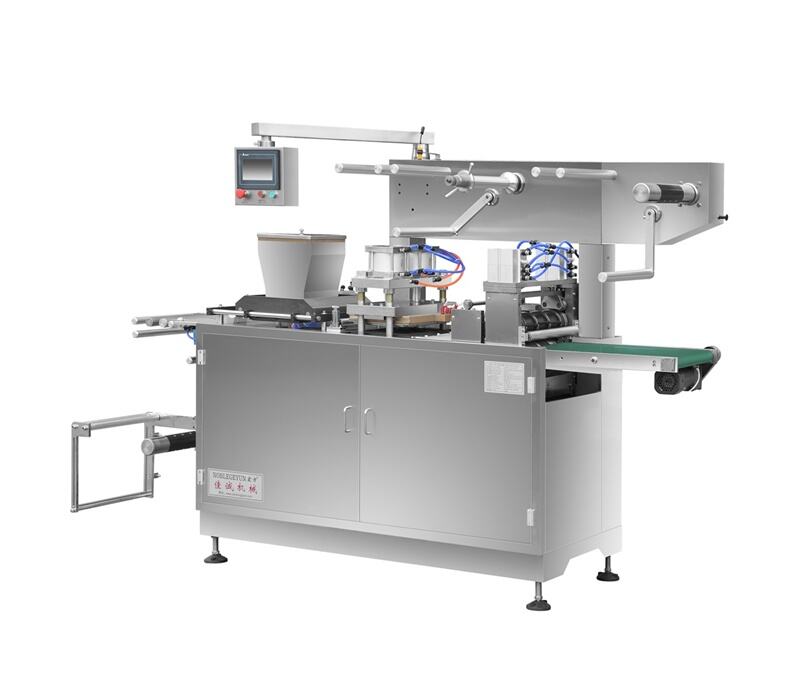
Wakati wa kuunganisha vifaa vya kutengeneza kipad cha moto kwenye mstari wa upakuli, kufanya mambo kwa usahihi ni muhimu sana ili kuhakikisha bidhaa ya mwisho iwe salama. Kipad hiki cha softi kina uchunguzi mkubwa kwa mabadiliko ya joto, kwa hivyo inahitaji matumizi ya makini katika mashirika yote ya kujaza na kufunga. Kama siyo hivyo, tunaweza kupata matatizo kama vile ubadilisho wa umbo, uvutaji wa maji, au upotevu wa uwezo wa kutoa joto. Wakufanya wengi wanagundua kwamba kuvunja kwenye mfumo wa kusafirisha kwa upole unafanya kazi nzuri sana kuhakikisha umbo la kipad linabaki. Teknolojia ya kufunga pia inahitaji uwezekano wa kubadilika kwa sababu viwango hivi vya vitu vinaongezeka kwa namna tofauti wakati wa kuchemsha kuliko vitu vingine vya kawaida kwenye chumba cha uzalishaji. Kufanya usawa sahihi kati ya ulinzi na ufanisi bado ni changamoto kuu katika sekta hii leo.
Kushinda Changamoto za Kujaza na Kufunga kwa Kipad cha Moto cha Kirahisi na Kina Uchunguzi wa Joto
Mifumo ya kawaida ya kujaza mara nyingi hupata changamoto wakati wa kushughulikia vifungo vya moto vya wavu kwa sababu vitu vya kujaza vinajitengana na uwezo wao wa kujaza unabadilika wakati wa kuchemsha. Vifaa vya kujaza kwa kiasi (volumetric fillers) vya kisasa vina mafuta maalum yanayopangwa kwa mabadiliko ya joto, ambayo inasimamia kuwakata kwa pamoja kila kitu. Pia, vyombo hivi vina madhara ya kupinga kujitengana kwenye sehemu zao za kufunga ili voweze kufunga vizuri bila kuharibu kitu cha kiharusi. Pia ni muhimu sana kudumisha joto kwa wastani wa takriban digrii moja ya Celsius wakati wa usafirishaji kwa sababu hii inasimamia kuwakata kwa mapema vya joto vinavyotunza joto kabla ya wakati wao.
Ushirikiano wa Muda wa Kweli Uliosimamiwa na PLC Kati ya Gari la Kufanya Vifungo vya Moto na Vitambulisho vya Kufunga
Usimbamizi wa Kiongozi wa Mantiki ya Kupangwa (PLCs) unaruhusu mabadiliko ya haraka sana kati ya mabahati tofauti ya uzalishaji na uvunja. Wakati wa kipengele cha kusoma harakati (encoders) kikisikia harakati kutoka kwa vifaa vya kuzalisha kipad cha moto, hutoa ishara ili kuanzisha mfumo wa uvunja chini ya mchoro. Hii inahakikisha kuwa kujaza kipande cha kuvunja kinakuwa sawa na kitu kinachotoka kwenye mchoro wa uzalishaji. Matokeo? Usimbamizi mzuri sana kati ya mchakato hii kwa usahihi wa takriban 99.5%, ambao una maana kwamba hakuna kujazwa kwa bidhaa zinazosubiri uvunja na hukadhi hali ya joto inayohitajika kote. Vifaa vya kusoma maalum vinatazama nafasi ya kila kipad ili, wakati kinapofungwa, vitu vyote viwe sawa. Mifumo hii ya kufuatilia imepunguza idadi ya bidhaa zilizorejewa kwa kiasi kikubwa, takriban kwa asilimia 18 chini kuliko kabla ya mfumo huu kuanzishwa.
Ushirikisho wa Vitu na Uthabiti wa Mazingira katika Uvunja wa Kipad cha Moto
Uhamisho wa Kina Uzuri wa Vipande vya Joto vya Mvutano, vya Vinyo vya Vinyo vya Vinyo bila Kupungua au Kukatwa
Vipande vya moto kwa mara ya kwanza baada ya uzalishaji vinawakilisha changamoto fulani za vitu. Wakati wako moto, vinajikwama kwenye uso zaidi na uongo wa wao wa mafupi unawawezesha kuwa na umbo mbaya au kujifunga wakiondoka. Vipande vya kawaida vya kusambaza havijatengenezwa kwa ajili ya hii jambo. Tumeshahitaji mengi ya vipande vilivyofungwa kwenye kipande cha kusambaza au vilivyowachukua visinga vya kujikwama vilivyozidika kwa muda mrefu. Suluhisho bora ni vipande vya polimeri vya msuguano mdogo na udhibiti bora wa mgandamizo na vinyo vya kujikwama hasa. Mifumo hii inapunguza matatizo ya kujikwama takriban 40% ikilinganishwa na vipande vya chuma vya kawaida. Wazalishaji pia wanatumia vifunguo vya kupunguza vibarabara katika eneo maalum na kubuni mahali pa kubadilisha kwa mikando ya wavu badala ya pembe kali. Ushughulikaji huu unaonyesha uvumilivu wa vipande kutoka kwenye mashine hadi kufungwa kwa ajili ya usafirishaji, ambalo lina maana ya kupunguza vipande vilivyoharibika na kupunguza uchafuzi wote kwa muda mrefu.
Kudumisha Utekelezaji wa Sheria ya Kufuta na Kushika Safi Katika Hali ambapo unyevu na joto hupatikana kwa urahisi
Industri ya upakiaji inashughulikia matatizo makuu mawili kwa wakati mmoja. Uwinyo kutoka kwenye vifungo vya moto huvutia hali ambapo mikroba yanaweza kuzaliana haraka sana, na mabadiliko ya joto huendelea kuharibu ufunuo wa vifungo. Sasa, majengo mengi yanaumia mifumo ya chuma cha kisasa yenye kiwango cha IP69K na uso uliofungwa kwa pembe ili usiweze kukusanyika mahali popote. Pia, wanainstalia mifumo ya uvunaji wa hewa wenye shinikizo la chini ili kudumisha uwinyo katika kipindi cha asilimia 40 hadi 50. Utekelezaji wa sheria unategemea kufanya mafunzo ya kiotomatiki yenye dawa ya kusafiisha inayofanya kazi kwa joto la daraja 140 la Fahrenhait. Utaratibu wa kiusura unaonyesha kwamba mafunzo haya hupunguza idadi ya bakteria kwa takriban asilimia 99.8, kulingana na majaribio ya FDA. Vifaa vya kisensa vilivyowekwa katika eneo la ufunuo vinazingatia joto lisilopungua chini ya daraja 95 kabla ya ufunuo kuwekwa, ambalo husaidia kudumisha ufunuo bora hata pale hali zinapobadilika. Hatua zote hizi zina lengo la kuzidhi sheria tu—zinasaidia pia bidhaa kudumu kwa ufanisi mpaka tarehe ya kumalizika.
Otomatikisho Lenye Data na Uunganishaji wa Mfumo kwa Udhibiti wa Mstari-Wote
Uunganishaji wa SCADA/MES kwa Kuangalia Uthabiti wa Kipad cha Moto, Ustahili wa Jimbo la Joto, na Uwiano wa Kufanya Kazi
Kuchanganya mifumo ya SCADA na teknolojia ya MES huwapa wazalishaji mwonekano wa wakati halisi wa kinachotokea na pedi hizo za joto zinazozingatia halijoto wakati wa uzalishaji. Mifumo hufuatilia uadilifu wa pedi zinapoundwa, huangalia mabadiliko yoyote nje ya kiwango salama cha nyuzi joto 2 au chini ya nyuzi joto, na kufuatilia jinsi bidhaa zinavyosonga kwa kasi kwenye mstari. Wakati kitu kinapotoka, mfumo huwaarifu wafanyakazi ili matatizo yaweze kutatuliwa kabla ya bidhaa mbaya kutengenezwa. Chukua MES kwa mfano. Algoriti zake huangalia usambazaji wa joto katika sehemu kumi na mbili tofauti kwenye sakafu ya uzalishaji. Ikiwa kuna hata kutofautiana kidogo zaidi ya kiwango cha uvumilivu wa nusu asilimia, mashine hujirekebisha kiotomatiki ili kurekebisha tatizo. Hii husaidia kuzuia pedi hizo zisizojazwa vizuri huku ikiweka takriban mihuri 99 kati ya kila 100 ikiwa haijaharibika. Wakati huo huo, dashibodi za SCADA zinaonyesha haswa mahali ambapo nishati inaenda ikilinganishwa na kile kinachozalishwa. Wanaona uvujaji huo wa joto uliofichwa ambao huishia kupoteza karibu 18% ya nguvu zote za joto zinazotumika. Wasimamizi wa mitambo wanapounganisha data hii ya mazingira na ukaguzi wa kawaida wa ubora, wanagundua kuwa viwango vyao vya takataka hupungua kwa karibu 23%. Zaidi ya hayo, ufanisi wa jumla wa vifaa huongezeka kwa takriban 15% kwa sababu marekebisho hutokea kwa kutabirika badala ya kwa njia ya kuitikia.
Kuboresha ROI Kwa Kutumia Uchambuzi wa Mipaka na Usawazisho wa Mstari
Uchambuzi wa kikomo cha kuzungumzia ni muhimu sana wakati wa kupata faida nzuri kutoka kwenye uwekezaji katika uzalishaji wa vifutio vya joto. Wakati mashirika yanavyotazama mahali ambapo mambo yanaanza kushindwa, kama vile kasi ya chini ya kujaza au muda wa kuchelewa katika hatua za ukaguzi, wanaweza kubadilisha rasilimali zao ili kufanya mtiririko wote wa kazi uwe sawa. Vitu vya kujitegemea kwenye joto pia hahitaji makini maalum kwa sababu usawazisho wa mstari unapaswa kujumuisha muda wa kuchukua baridi na namna ya kushughulikia vitu kati ya vituo ili kuepuka mapenzi ya kuchukua muda wa kuzalisha. Utaratibu wa utafiti unaonyesha kwamba kufanya hatua hizi kwa usahihi hupunguza muda wa kupumzika kwa takriban 30% kuliko mpangilio wa kawaida, bila kuharibu ubora wa bidhaa. Kufuatilia mara kwa mara muda wa kichwa na jinsi ya kufanya kazi ya mashine kwa hakika husaidia wafanyikazi kufanya mabadiliko ya akili kulingana na data halisi badala ya kuzingatia tu. Mbinu hii ya kujumuisha kwa ujumla inabadilisha takwimu za uzalishaji wa msingi kuwa taarifa zenye faida ambazo zinasaidia kuongeza viwango vya uzalishaji na faida katika shughuli za vifutio vya joto, ingawa kuiweka kwa vitendo huitaja juhudi za awali na mafunzo kwa wafanyakazi.
Sehemu ya Maswali yanayotofikiwa
Vitisho kuu vipi katika kusambisha mashine za kufanya kipad cha moto na vituo vya kufunga?
Vitisho kuu ni kudumisha uaminifu wa joto la kipad wakati wa kujaza na kufunga, kusambisha mchakato kwa usahihi, na kuhakikisha kwamba vitu vya kujifunza kwa joto vinahanduliwa kwa upole ili kuzuia uvunjaji.
Wafanyabiashara wanahakikisha jinsi gani kuwa mchakato wa kufunga hautavunjia kipad cha moto?
Wafanyabiashara hutumia kifurushi maalum kinachoweza kubadilika kwa joto na kuchapisha madawa ya kupinga kushikiana kwenye sehemu za kufunga ili kuzuia uvunjaji wa kipad, ambacho hukuhakikisha kufunga kwa usalama bila kuharibu ubora wa kipad.
Kile cha kusimamia kwa mantiki (PLCs) kina jukumu gani katika mchakato wa uzalishaji?
PLCs husambisha hatua za uzalishaji na kufunga ili kuhakikisha usambisho na ufanisi, ikiruhusu mabadiliko ya mara moja kulingana na mgawanyo wa kipad kwenye mstari wa uzalishaji, kwa hiyo kupunguza bidhaa zisizofaa na kudumisha hali ya joto.
Jinsi gani ROI inahesabiwa kwa ufanisi katika uzalishaji wa kipad cha moto?
ROI inapimwa kwa kutenda uchambuzi wa mkono wa chini, kusawazisha mistari ya uzalishaji ili kushughulikia vitu vya kujifunza kwa joto kwa makini, na kutumia data ya wakati halisi kuifanya mabadiliko yanayoeleweka ambayo yahakikisha ufanisi na kupunguza uvurugu.
Uteknolojia gani zinatumika kufuatilia utendaji wa kipande cha kujifunza?
Mifumo ya SCADA na MES inaunganishwa ili kufuatilia utendaji na ustahili wa joto wa vikapu vya moto, ikutoa data ya wakati halisi ambayo inahakikisha ubunifu na ubora katika mchakato wote wa uzalishaji.
Orodha ya Maudhui
- Kuunganisha kwa pamoja Mashine ya Kufanya Kifua cha Joto na Vitengo vya Ufumaji vya Msingi
- Ushirikisho wa Vitu na Uthabiti wa Mazingira katika Uvunja wa Kipad cha Moto
- Otomatikisho Lenye Data na Uunganishaji wa Mfumo kwa Udhibiti wa Mstari-Wote
- Kuboresha ROI Kwa Kutumia Uchambuzi wa Mipaka na Usawazisho wa Mstari
-
Sehemu ya Maswali yanayotofikiwa
- Vitisho kuu vipi katika kusambisha mashine za kufanya kipad cha moto na vituo vya kufunga?
- Wafanyabiashara wanahakikisha jinsi gani kuwa mchakato wa kufunga hautavunjia kipad cha moto?
- Kile cha kusimamia kwa mantiki (PLCs) kina jukumu gani katika mchakato wa uzalishaji?
- Jinsi gani ROI inahesabiwa kwa ufanisi katika uzalishaji wa kipad cha moto?
- Uteknolojia gani zinatumika kufuatilia utendaji wa kipande cha kujifunza?