
 EN
EN
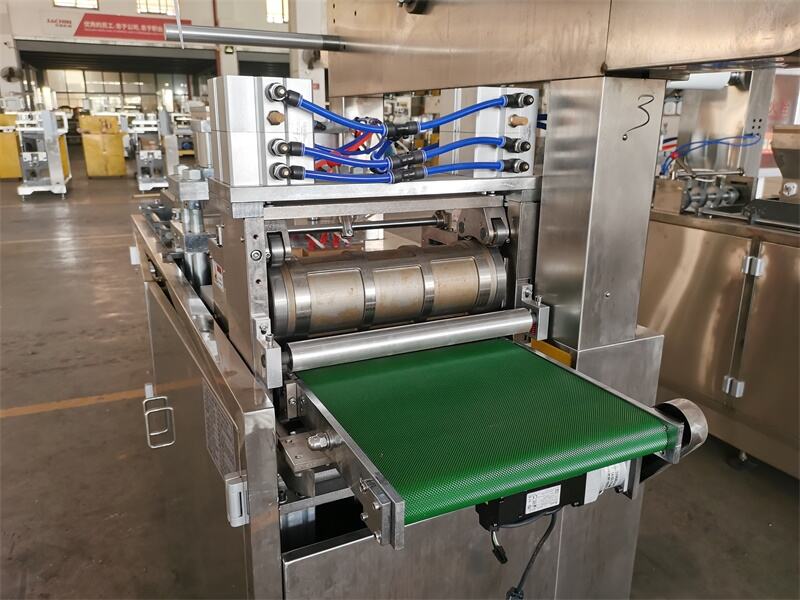
Global Demand Drivers and Regional Market Priorities for Warm Pad Making Machines
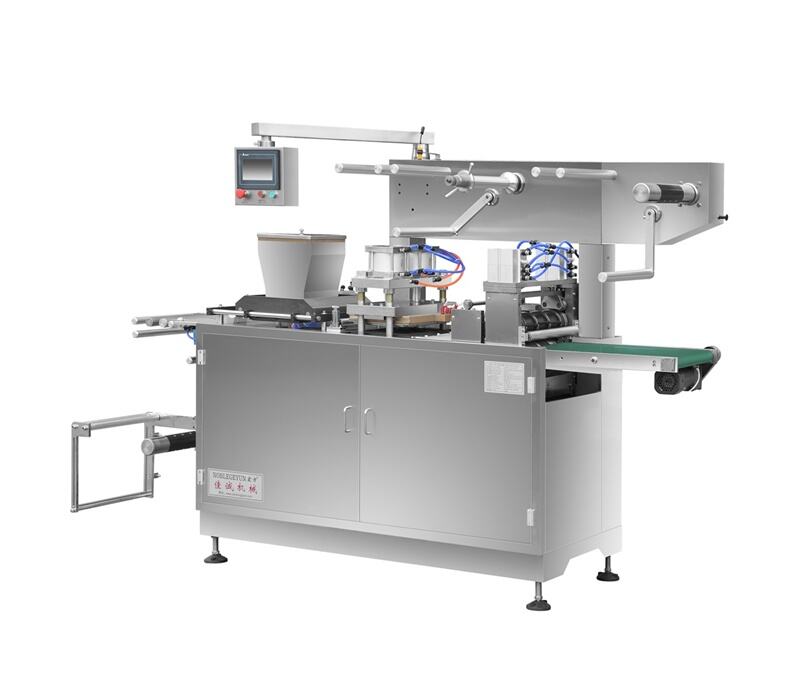
North America & Europe: Regulatory Compliance and Premium Warm Pad Demand
For companies looking to sell in Western countries, getting FDA approval and meeting CE standards is almost as important as having good automation systems these days. Safety regulations have pushed manufacturers to spend around 23 percent more on warm pad manufacturing equipment that includes built-in quality checks according to last year's industry data. The premium market keeps growing because older people need alternatives to medication for pain management, so there's increasing demand for machines that can handle intricate designs and work with different materials. Green initiatives mean factories must switch to models that waste no more than 15 percent of materials during production. Many older facilities are now being upgraded with new components rather than completely replacing their existing machinery setups.
Asia-Pacific & Emerging Markets: Cost-Sensitive Volume Scaling and Localized Warm Pad Making Machine Adoption
The warm pad market across Asia Pacific is booming at around $1.2 billion, driven mainly by mass production at thin profit margins. Factories have started using modular machines specifically designed for warm pads, which cut down return on investment time by about 40%. These savings come from easier maintenance requirements and sourcing parts locally instead of importing them. Smaller operations tend to mix things up with hybrid approaches combining basic automation alongside traditional hand work methods. Meanwhile big exporters go all out with complete automation setups. The cost of labor plays a huge role in where companies set up shop too. Places like Vietnam and Bangladesh still rely heavily on workers doing most tasks manually, but top tier Chinese manufacturers are investing in smart machines connected via internet of things technology so they can monitor production progress in real time. Looking ahead, industry experts believe India will see the biggest growth in new machinery purchases over the next few years, expecting something like 18% annual growth rate until 2028 as demand continues to rise there.
Warm Pad Making Machine Deployment Strategies for Scalable Production
From Manual Batches to Automated Continuous Flow: Optimizing Line Balance and Uptime
Moving production from manual batch processes to automated continuous flow isn't just about installing new equipment. It takes careful planning to balance the whole production line properly. Most operators start by doing time motion studies to spot where things get backed up and make sure all the different parts work together smoothly. The cutting station needs to match up with filling and sealing operations so those warm pad machines actually run at full capacity instead of sitting idle. We've seen good results when companies pair servo driven fillers with infrared sealers. These combinations often hit around 95% uptime once they figure out the right settings for different materials. Monitoring systems keep an eye on how many units are moving through per minute and track rejection rates too. That lets technicians tweak things as needed during operation. Another important aspect is creating buffer areas between stations. These little gaps help absorb small delays without stopping everything downstream. And don't forget about quality control checks either. If these aren't set up correctly, they can become major roadblocks themselves.
Capital Efficiency: Matching Warm Pad Making Machine Configurations to Facility Tier and Output Targets
Selecting appropriate warm pad making machine configurations depends on three facility tiers:
- Entry-tier facilities (5M units/year): Semi-automatic machines with modular components allow incremental upgrades
- Mid-scale operations (5M–20M units/year): Integrated systems with automated material handling reduce labor costs by 40%
- High-volume plants (20M+ units/year): Custom-engineered lines with AI-driven predictive maintenance maximize ROI
Prioritize machines offering quick-change tooling for diverse pad sizes and materials. Energy-efficient models with variable-frequency drives cut power consumption by 30% versus fixed-speed units. In emerging markets, hybrid configurations—where manual loading feeds automated sealing stations—balance capital constraints with output targets.
Building Resilient Supply Chains for Global Warm Pad Manufacturing
Strategic Material Sourcing: Polyester, Cotton, and Blends Across Geographies
Manufacturers around the world need to get smarter about where they source materials for those essential warm pad components. Polyester has pretty much taken over Asian markets because it's cheaper there and the manufacturing hubs are already set up for mass production. Meanwhile, top quality cotton still comes mainly from places like the United States and Egypt. When companies start mixing fabrics together, like combining polyester with cotton in different ratios, they end up needing suppliers spread across multiple regions. Most major players actually keep at least three different supplier locations for key materials just to protect themselves from weather issues or shipping problems. According to a recent study from the Textile Logistics Institute in 2024, cotton-polyester blends tend to have about 23 percent fewer quality issues when the raw materials come from within 500 miles of where the final product gets made.
Localization Trade-offs: Nearshoring Warm Pad Making Machine Support vs. Offshore Cost Advantages Under ISO 13485/FDA/CE
When setting up their warm pad making machine networks, operators need to decide whether to go with nearshore or offshore options. Manufacturing in Southeast Asia can save around 30 to 40 percent on labor costs, but bringing technical support closer to home in North America and Europe actually cuts down machine maintenance time by about 72 percent according to industry reports. This matters because these regions have stricter FDA and CE compliance requirements that take longer to navigate. Getting regulatory stuff right is absolutely essential for anyone working with medical devices. Facilities certified under ISO 13485 standards must map out their entire supply chain no matter where they're located. Most successful companies end up using a combination approach with different tiers depending on what makes sense for each specific part of their operations.
Navigating Regulatory Pathways for Warm Pad Making Machine Operators
Running warm pad manufacturing equipment requires strict following of changing international regulations including electrical safety standards (IEC 60601), material compatibility requirements (ISO 10993), and quality control guidelines (ISO 13485). These standards are especially critical when products enter markets regulated by the FDA or CE marking systems. Failing to meet these requirements can lead to expensive product recalls costing around $740,000 each according to Ponemon Institute research from last year. That makes good record keeping and independent inspections absolutely essential. Factory managers need to keep tabs on regulatory updates from bodies such as the FDA and European Medicines Agency if they want to stay ahead of necessary design modifications or production adjustments. Incorporating compliance features right into the machine software helps automate things like tracking batches, reporting hazards, and maintaining inspection-ready records which cuts down on mistakes during audits. Don't forget supplier checks either. Companies must carefully evaluate their raw material providers worldwide to maintain consistent quality since regulators are getting much stricter about knowing exactly where every component comes from throughout the entire supply chain.
FAQ
Why is FDA approval important for warm pad making machines?
FDA approval ensures that the machines meet safety standards required for manufacturing warm pads intended for healthcare and therapeutic purposes. It is crucial for entering Western markets.
What challenges do manufacturers face in the Asia-Pacific warm pad market?
The Asia-Pacific market is driven by cost-sensitive mass production, requiring manufacturers to adopt modular machines and hybrid methods to maintain thin profit margins.
How do manufacturers optimize production line balance?
Manufacturers optimize production line balance by conducting time-motion studies to identify bottlenecks and ensure smooth coordination between different manufacturing stages. Buffer areas are also created to absorb small delays.
What factors influence strategic material sourcing for warm pads?
Manufacturers consider factors like cost, quality, and geographical proximity when sourcing materials like polyester and cotton, aiming for reduced quality issues and efficient supply chain management.
How can warm pad manufacturers meet regulatory requirements?
By incorporating compliance features into machine software for automated tracking, reporting, and inspection readiness. Manufacturers must stay updated with regulatory changes and ensure supplier quality checks.
Table of Contents
- Global Demand Drivers and Regional Market Priorities for Warm Pad Making Machines
- Warm Pad Making Machine Deployment Strategies for Scalable Production
- Building Resilient Supply Chains for Global Warm Pad Manufacturing
- Navigating Regulatory Pathways for Warm Pad Making Machine Operators
-
FAQ
- Why is FDA approval important for warm pad making machines?
- What challenges do manufacturers face in the Asia-Pacific warm pad market?
- How do manufacturers optimize production line balance?
- What factors influence strategic material sourcing for warm pads?
- How can warm pad manufacturers meet regulatory requirements?