
 EN
EN
In the competitive global market for disposable heating products, such as hand warmers and body heat patches, product performance is defined by a single critical metric: reliability. For manufacturers and exporters, achieving Consistencyin thermal output is not merely a quality preference but a regulatory and commercial imperative. The core of this reliability lies in the precision of Powder Filling. Even minor deviations in the weight or distribution of the iron powder mixture can lead to significant variations in Heat Duration, resulting in customer dissatisfaction, product returns, and potential safety liabilities. As an export compliance and quality manager, I have observed that many production failures stem not from the chemical formula itself, but from the inability to maintain strict control over the Powder Filling process. This article explores how precise Powder Filling directly dictates Heat Duration and why maintaining Consistency throughout the manufacturing line is essential for meeting international safety standards and buyer expectations.
The Critical Link Between Powder Filling and Heat Duration
The mechanism behind most disposable warm pads is an exothermic oxidation reaction involving iron powder, water, salt, activated carbon, and vermiculite. The total energy released, and thus the Heat Duration, is directly proportional to the amount of reactive material present. Therefore, the accuracy of Powder Filling is the primary determinant of product performance. If the Powder Filling process is inconsistent, some units may contain insufficient powder, leading to a shorter Heat Duration than advertised. Conversely, overfilling can cause excessive heat generation, posing a burn risk and violating safety Consistency protocols.
For export-oriented manufacturers, this variability is unacceptable. International buyers require guaranteed performance metrics. A deviation of just 5% in Powder Filling weight can alter the Heat Duration by 30 minutes or more, depending on the formulation. Thus, achieving Consistency in Powder Filling is not just about cost control; it is about ensuring that every unit delivers the promised Heat Duration, thereby protecting brand integrity and ensuring compliance with consumer protection laws.
Challenges in Achieving Consistency in Powder Filling
Maintaining Consistency in Powder Filling is technically challenging due to the physical properties of the raw materials. Iron powder mixes are often hygroscopic and prone to clumping, which can disrupt flow rates in automated filling machines. Environmental factors such as humidity and temperature further complicate the process, affecting the bulk density of the powder. Without robust process controls, these variables lead to fluctuating fill weights, directly impacting Heat Duration.
Furthermore, high-speed production lines often prioritize throughput over precision, leading to drift in Powder Fillingaccuracy over time. This lack of Consistency results in batch-to-batch variations in Heat Duration, making it difficult to provide reliable data for export documentation. To mitigate these risks, manufacturers must implement advanced monitoring systems and adhere to strict operational protocols that prioritize Consistency in every stage of Powder Filling.
The Role of Packaging Integrity in Maintaining Heat Duration
While Powder Filling determines the potential energy, the packaging ensures that this energy is released at the correct rate. The breathable membrane of a warm pad allows oxygen to enter and react with the iron powder. If the packaging is compromised due to poor sealing or inconsistent material thickness, the reaction rate changes, altering the Heat Duration. This is where the stability of the packaging production process becomes crucial.
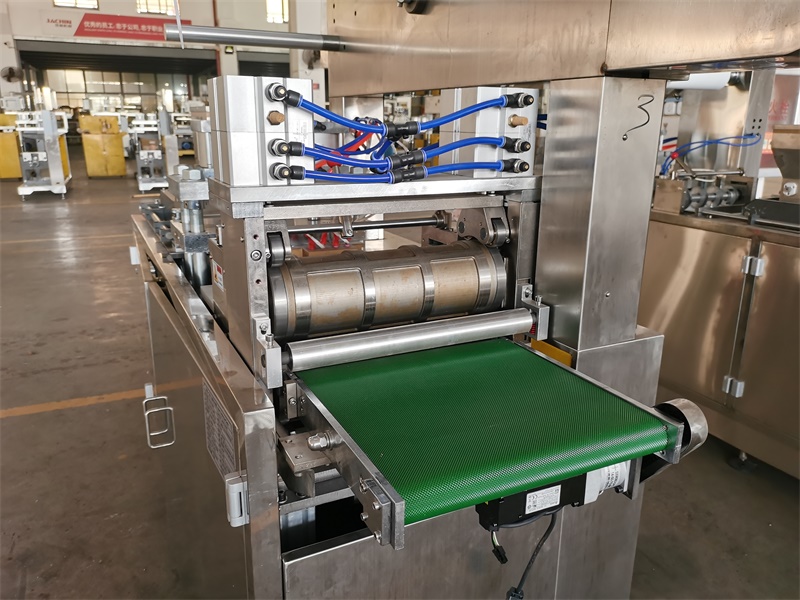
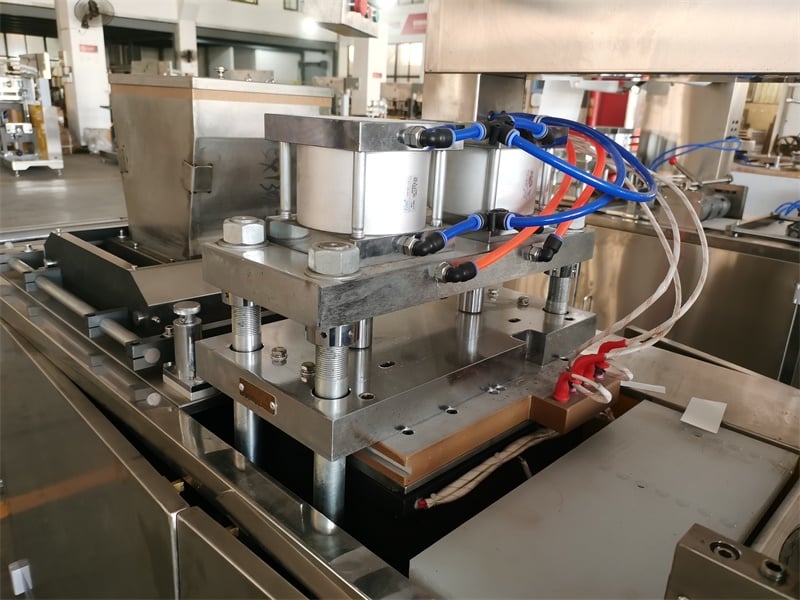
Inconsistent plastic trays or non-woven fabric layers can lead to uneven oxygen permeability. Therefore, the machinery used to produce these packaging components must offer high precision. Wenzhou Jiacheng Machinery Co., Ltd. specializes in thermoforming machines that produce consistent, high-quality plastic trays and components. By ensuring that the packaging substrate is uniform, manufacturers can support the Consistency of the overall product, ensuring that the Heat Duration predicted by the Powder Filling weight is actually delivered to the end-user.
Case Study: Stabilizing Output in Eastern Europe
A practical example of the importance of Powder Filling precision occurred in January 2024 at a manufacturing facility in Warsaw, Poland. A local producer of premium hand warmers was facing recurring complaints from retail partners regarding inconsistent Heat Duration. Some batches lasted only two hours, while others exceeded six, despite using the same formula. An audit revealed that the root cause was unstable Powder Filling due to outdated volumetric fillers that could not account for changes in powder bulk density.
The facility upgraded its production line, integrating a gravimetric Powder Filling system with real-time check-weighing. Additionally, they replaced their older packaging formers with a JCPP-520 automatic thermoforming machine from Jiacheng. This upgrade ensured that the plastic trays holding the powder packets were dimensionally Consistent, preventing compression or distortion that could affect airflow. Within three months, the variance in Heat Duration dropped by 90%, and the factory achieved full Consistency across all export batches. This case demonstrates that optimizing Powder Filling and packaging Consistency is key to resolving Heat Duration issues.
Quality Control and Traceability for Export Compliance
For export compliance, documentation is as important as the product itself. Manufacturers must maintain detailed records of Powder Filling parameters, including batch numbers, fill weights, and environmental conditions during production. This traceability allows for quick identification of any deviations in Heat Duration and facilitates corrective actions. Regular calibration of Powder Filling equipment and routine testing of Heat Duration are essential practices to ensure ongoing Consistency.
Moreover, third-party testing agencies often require proof of process control. Demonstrating that Powder Filling is monitored and adjusted in real-time provides the evidence needed to certify that Heat Duration claims are accurate. This level of transparency builds trust with international buyers and simplifies the Export Compliance process. By prioritizing Consistency in Powder Filling, manufacturers can streamline audits and reduce the risk of non-compliance penalties.
Equipment Selection for Enhanced Consistency
Choosing the right equipment is fundamental to achieving Consistency in Powder Filling and packaging. Automated systems with feedback loops can adjust Powder Filling rates dynamically, ensuring that each packet receives the exact required weight. Similarly, thermoforming machines like the JC-500C and JC-500D from Jiacheng offer precise control over temperature and pressure, producing packaging components with uniform wall thickness. This uniformity supports the Consistency of the final product’s Heat Duration by ensuring predictable oxygen diffusion rates.
Investing in such technology reduces reliance on manual adjustments, which are prone to human error. It enables manufacturers to scale up production without sacrificing the Consistency of Powder Filling or the reliability of Heat Duration. For companies aiming to expand into regulated markets, this technological foundation is indispensable for maintaining competitive advantage and meeting stringent Export Compliance requirements.
Conclusion and Certification Standards
In conclusion, the reliability of disposable warm pads hinges on the precision of Powder Filling and the Consistencyof the entire production process. Accurate Powder Filling ensures that the theoretical Heat Duration is realized in practice, while stable packaging supports controlled reaction rates. Manufacturers must prioritize Consistency in every step, from raw material handling to final packaging, to meet the demands of global markets.
To demonstrate commitment to quality and safety, manufacturers should seek equipment and processes that align with international standards. Relevant certifications include ISO 9001 for quality management systems, which ensures that processes like Powder Filling are consistently monitored and improved. Additionally, compliance with CE marking for machinery safety and adherence to REACH regulations for chemical safety are critical for Export Compliance. By combining precise Powder Filling technology with certified quality management, manufacturers can guarantee Consistency in Heat Duration, delivering safe and reliable products to consumers worldwide. Ultimately, mastering Powder Filling is the key to unlocking long-term success in the heating product industry.