
 EN
EN
Why Export Compliance Matters for Disposable Hotel Slippers
Disposable hotel slippers are considered low-value items, but their safety implications are significant. They come into direct contact with guests' skin and are used in environments where slip hazards must be minimized. Failure to meet Safety Standards can result in severe consequences, including product recalls, customs seizures, legal liabilities, and damage to brand reputation. For hotel chains and procurement agencies, Export Compliance is not just a regulatory hurdle; it is a fundamental requirement for supplier qualification. Ensuring that every batch meets the necessary Safety Standards is essential for maintaining trust and securing long-term contracts in the competitive global market.
Key Safety Standards to Consider
When preparing for export, manufacturers must identify the specific regulations applicable to their target markets. While there is no single global standard for disposable slippers, common frameworks include REACH in Europe, CPSIA in the United States, and various local standards in Asia and the Middle East. These regulations typically cover three main areas: chemical safety, physical safety, and labeling. Understanding these Safety Standards is the first step toward achieving full Export Compliance. Manufacturers should work closely with buyers to clarify specific testing requirements, as hotel groups often have their own internal standards that exceed basic legal requirements.
Material Safety and Chemical Compliance
The foundation of any compliant product lies in its raw materials. Disposable slippers are commonly made from PP, PET, PS, EVA, or non-woven fabrics. Each material must be screened for restricted substances such as heavy metals, phthalates, azo dyes, and formaldehyde. Export Compliance requires that manufacturers obtain valid test reports and declarations of conformity from their material suppliers. It is crucial to ensure that even recycled materials, if used, come from controlled sources and do not introduce contaminants. Regular testing of incoming materials against relevant Safety Standards helps prevent costly failures during final product inspection.
Physical Safety Requirements
Beyond chemical composition, physical safety is paramount. The sole of a hotel slipper must provide adequate anti-slip performance to prevent accidents in wet bathroom environments. Additionally, the product must be free from sharp edges, burrs, or protruding parts that could injure the user. The bond between the upper and the sole must be strong enough to withstand normal use without delaminating. Manufacturers must implement strict quality controls to ensure that every unit meets these physical Safety Standards. Consistent adherence to these criteria is a key component of successful Export Compliance, as physical defects are a leading cause of customer complaints and returns.
Hygiene and Production Environment Control
As disposable products, hotel slippers must be manufactured in a clean and controlled environment to prevent contamination. Dust, oil, and other foreign particles can compromise the hygiene of the final product. Export Compliance often includes audits of the production facility to verify hygiene protocols. Automated production lines significantly reduce human contact with the product, thereby minimizing the risk of contamination. By maintaining a high standard of cleanliness and implementing strict hygiene controls, manufacturers can better meet the expectations of international buyers and adhere to stringent Safety Standards.
How Production Consistency Supports Export Compliance
One of the biggest challenges in export manufacturing is maintaining batch consistency. A sample that passes testing may not represent the quality of mass production if the process is unstable. Variations in thickness, size, or texture can lead to non-compliance with Safety Standards. Automated thermoforming equipment plays a critical role here by ensuring that each cycle is executed with precise parameters. This consistency is vital for Export Compliance, as it reduces the variability that often leads to rejection. Stable production processes enable manufacturers to provide reliable quality assurance data to their clients, reinforcing their commitment to high Safety Standards.
How Thermoforming Equipment Helps Manufacturers Meet Compliance Requirements
To achieve the level of consistency required for global export, investing in advanced manufacturing technology is essential. Wenzhou Jiacheng Machinery Co., Ltd. offers solutions that directly support Export Compliance through enhanced process control.
Stable Automatic Production
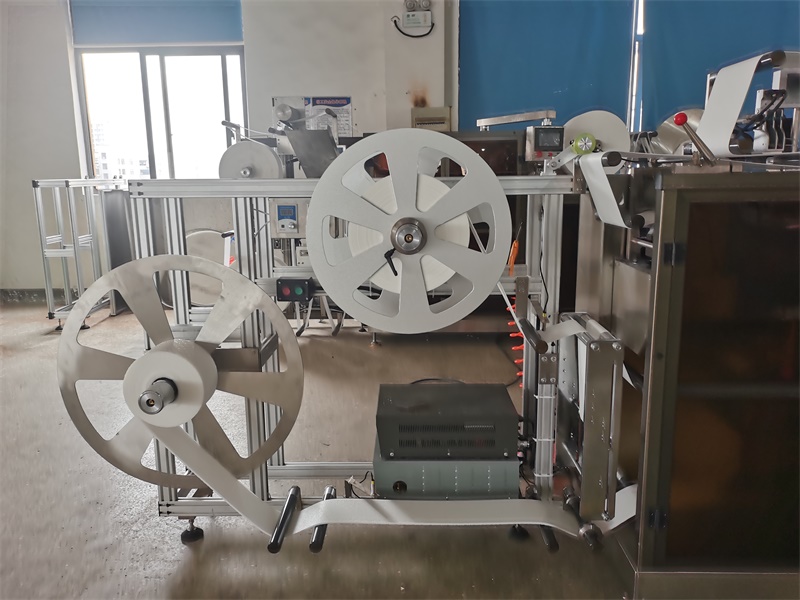
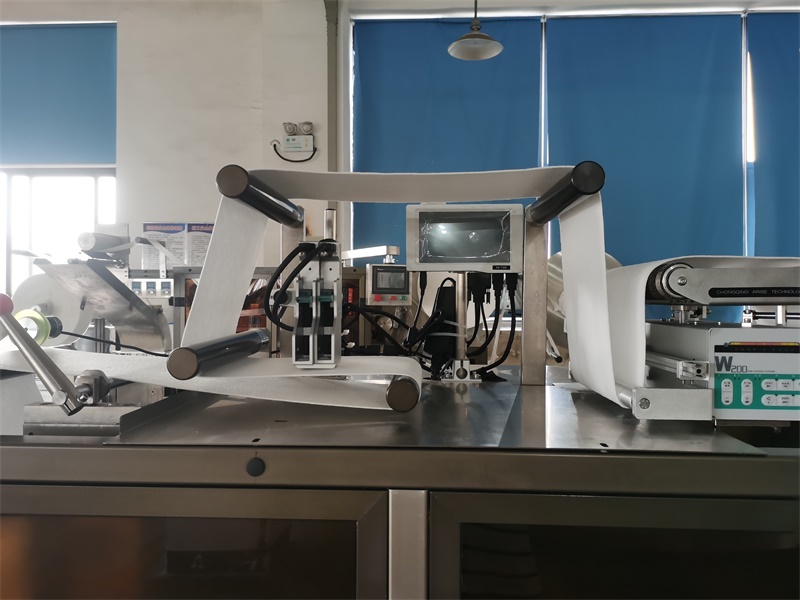
The JCPP-520 Automatic PP Products Thermoforming Machine is a multi-station system designed for continuous, stable production. By automating the heating, forming, and cutting processes, it minimizes human error and ensures uniform product quality. This stability is crucial for meeting the strict dimensional and physical Safety Standardsrequired by international buyers.
Flexible Mold Changeover
Hotel slipper orders often involve multiple sizes and designs. Jiacheng machines allow for quick mold changes, enabling manufacturers to produce different types of products efficiently. This flexibility supports Export Complianceby allowing factories to manage diverse SKUs without compromising on quality or traceability.
Easy Operation for Standardized Production
The JC-500C model is designed for ease of operation, reducing the learning curve for operators. Standardized operations lead to fewer mistakes and more consistent output, which is essential for maintaining the high levels of Safety Standards expected in the export market.
Case Study: Enhancing Compliance in Southeast Asia
In November 2023, a manufacturing facility in Ho Chi Minh City, Vietnam, faced challenges meeting the strict Export Compliance requirements of a major European hotel chain. The client demanded rigorous testing for chemical safety and physical durability. By upgrading to a JCPP-520 automatic thermoforming line, the factory achieved greater process stability and reduced manual handling. This upgrade allowed them to consistently produce slippers that met all specified Safety Standards, resulting in successful certification and renewed contracts. The case highlights how technological investment directly facilitates Export Compliance.
Conclusion and Certification Standards
Achieving and maintaining Export Compliance for disposable hotel slippers requires a holistic approach that integrates material selection, process control, and rigorous testing. Manufacturers must prioritize Safety Standards at every stage of production to ensure product integrity and customer satisfaction. By adopting automated solutions like those from Wenzhou Jiacheng Machinery, factories can enhance their ability to meet these demanding requirements.
When selecting equipment and partners, look for manufacturers who adhere to international quality management systems. Relevant certifications such as ISO 9001 for quality management, CE marking for machinery safety, and compliance with environmental directives like RoHS are indicators of a supplier’s commitment to excellence. These certifications, combined with a proven track record in global markets, provide the assurance needed for successful Export Compliance. Ultimately, a dedication to high Safety Standards is not just a regulatory obligation but a strategic advantage in the global hospitality supply chain.