
 EN
EN
Warm Pad Making Machine Capital Investment: Upfront Costs and ROI Realities
Semi-Automatic vs. Fully Automatic Warm Pad Making Machine Pricing Tiers
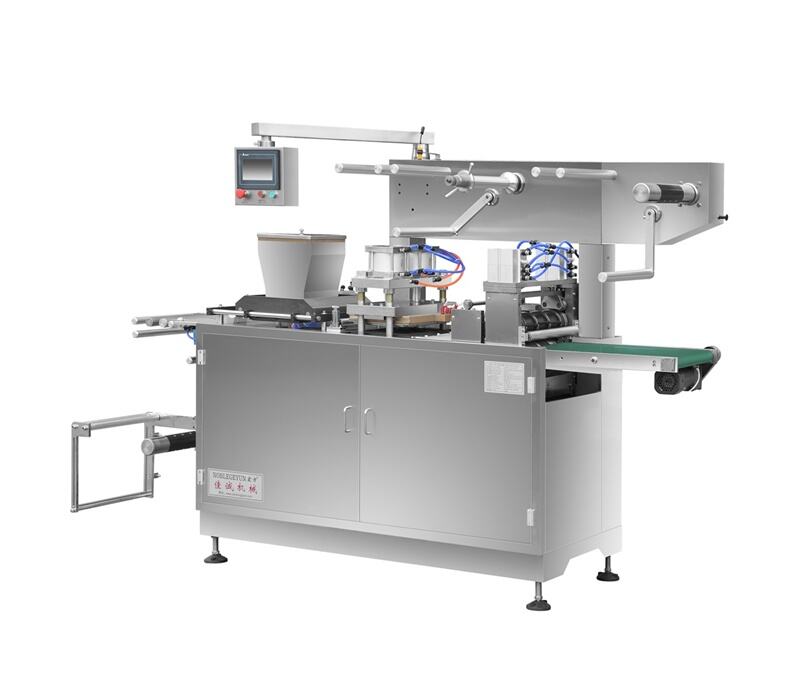
The price range for semi automatic warm pad making machines is generally between twenty thousand and fifty thousand dollars, which makes them pretty good options for new businesses or manufacturers who want to get started but aren't ready for full scale production yet. When it comes to fully automatic systems, these usually begin around fifty grand and can go all the way up past one hundred fifty thousand depending on what features come included. The extra cost often covers things like built in material transport systems, ongoing quality checks during operation, and those fancy tension control mechanisms that keep everything running smoothly. Throughput matters more than most people realize. Take for instance a fully automatic machine capable of making about twelve hundred pads every hour versus a semi automatic version that manages only four hundred per hour. The faster machine might actually pay for itself within eighteen months or so, whereas the slower option could take over thirty months to recoup costs when looking at similar labor expenses and energy usage across both setups.
Hidden CAPEX: Installation, Foundation, and Utility Requirements for Reliable Operation
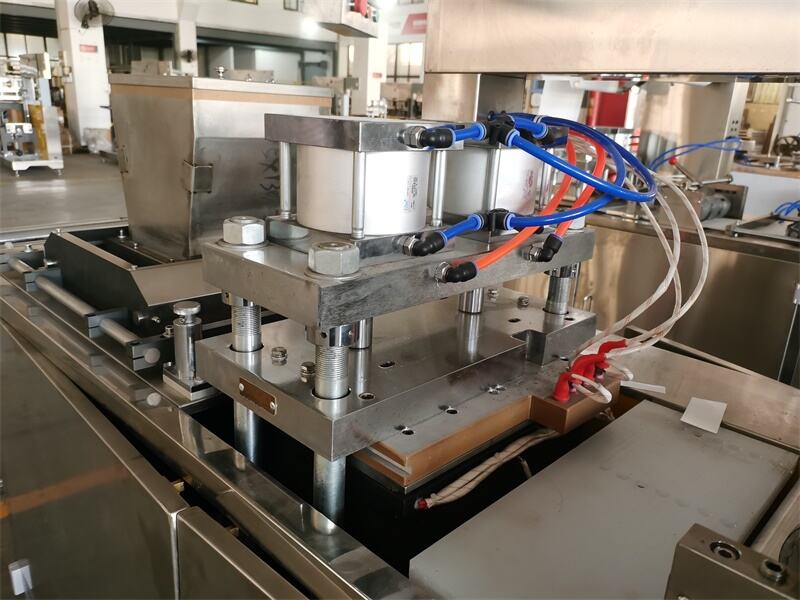
Getting a facility ready for production typically eats up around 20 to 30 percent of the total capital budget these days, something most equipment vendors don't even mention in their quotes. The vibration sensitive warm pad making machines need structural reinforcement work costing anywhere from fifteen thousand to forty thousand dollars. Then there are those high amperage infrared or steam modules that require special three phase electrical service installation, which can run ten thousand dollars or more. Don't forget about compressed air systems either they need at least seven bar pressure and must be oil free, plus thermal management becomes really important when dealing with humid environments or areas where temperatures regularly climb. All told, these systems might cost another five to twenty thousand bucks. And let's get one thing straight these aren't optional extras. Cutting corners on foundation work or skimping on utility capacity ends up causing major problems down the road like early bearing failure and drifting sensors within just the first year of operation.
When Automation Undermines ROI: Labor Arbitrage vs. Warm Pad Making Machine Payback Periods
Automation delivers diminishing returns where labor costs fall below $4/hour—or when operational realities erode its theoretical efficiency. A $120,000 fully automated line may require 18–24 months to break even only if it runs at ¥90% OEE. Three factors commonly extend that timeline:
- Manual loading bottlenecks, which reduce effective automation savings by 30–40%;
- Frequent SKU changeovers, increasing setup time and calibration labor;
- Maintenance skill gaps, inflating technical staffing costs by 15–20%.
Paradoxically, manufacturers in skilled-labor-constrained markets—even with wages above $12/hour—often realize faster ROI. Their higher baseline labor costs make machine uptime and consistency more valuable than raw wage arbitrage, turning reliability into a direct margin driver.
Operational Cost Structure of Warm Pad Manufacturing
Energy Consumption Analysis: Infrared Pre-Heating vs. Steam Thermal Cycling per Ton
Switching to infrared pre-heating saves real money compared to traditional steam methods. We're talking about 15 to 25% less energy needed for each ton of warm pads made. The numbers tell the story too: industrial tests found infrared systems consume around 35 to 50 kilowatt hours per ton while steam systems need 50 to 75 kWh. Why? Because infrared focuses heat exactly where it's needed without wasting energy through long pipelines. With the current US industrial power rate at about 12 cents per kWh according to the GradeAll Industry Report 2024, manufacturers save between $1.80 and $3 on each ton just from energy costs alone. That brings total production costs down to $4.20 to $6 per ton compared to $6 to $9 with steam. And there's another big plus: infrared systems get up to speed 40% faster than steam counterparts. This means factories waste less energy when starting shifts or switching products something steam simply can't do because it takes forever to build up pressure and temperature.
Material Waste Optimization: How Warm Pad Making Machine Calibration Affects Nonwoven, PE Film, and Adhesive Yield
Getting precision right with calibration is really about protecting what gets produced, not just routine maintenance work. When tension controls go off track or temperature zones aren't consistent, problems start adding up fast. We see things like sealing issues in nonwovens (around 5 to 8 percent waste increase), those annoying wrinkles in PE films (about 3 to 5 percent extra scrap), and way too much adhesive spray (sometimes as high as 10 percent waste). Considering how wild polymer prices have been swinging between roughly $750 and $1,500 per ton lately, cutting down just 6 percent on overall waste can actually cover the cost of machinery depreciation for the whole year. Plants that stick to regular calibration checks every three months tend to boost their bottom line by around 15 percent. Not because they're moving more product, but simply because they're keeping raw materials from going to waste. For anyone running warm pad production lines, proper calibration isn't just good practice it's basically money on the table that smart operators know how to grab.
Maintenance Economics and Uptime Reliability of Warm Pad Making Machines
MTBF Benchmarks Across Wenzhou Jiacheng Machinery Co Ltd’s 2022–2024 Warm Pad Making Machine Models
An improvement of about 52% in equipment failure intervals helps cut down on those annoying unplanned downtimes. According to research by the Ponemon Institute last year, these interruptions actually cost manufacturers of warm pads around $740 every hour they happen. That adds up fast when we look at things like lost production time, workers sitting around waiting for machines to fix, and all the extra shipping charges needed to meet deadlines. Just think about what happens during an 8 hour breakdown period - that's nearly $6,000 right there, which equals about 15% of what most facilities spend on maintenance each quarter. These improvements come from better bearings, easier to replace drive parts, and sensors that just plug in rather than needing complicated installations. All these design changes make it much quicker to do regular maintenance checks and shorten how long it takes to get things running again after problems occur. Facilities that started using vibration monitoring systems along with thermal cameras saw their emergency repair calls go down by roughly 40% in early tests. What used to be seen as just another expense is now becoming something that keeps operations moving smoothly instead of holding them back.
Labor Cost Dynamics: Skilled Personnel Requirements for Warm Pad Making Machine Operation
The initial training program covers things like thermal regulation logic, how polymers behave under heat (that's polymer rheology), and navigating the diagnostic interfaces. This kind of training typically runs anywhere from seven thousand to twelve thousand dollars per technician. But when companies get their staffing right, the payoff is huge. For semi automated production lines, they need around three to four skilled workers each shift to handle feeding materials, verify quality, and make adjustments as needed. Fully automated setups can run smoothly with just one or two technicians per shift who focus mainly on checking system diagnostics and handling any exceptions that come up. Industry leaders report that getting the balance right between operators and machines cuts labor costs down by about 23 percent without sacrificing quality. Most importantly, this approach keeps first pass yields stable or even improves them over time.
FAQ
What factors affect the pricing of warm pad making machines?
The pricing of warm pad making machines depends on whether they are semi-automatic or fully automatic units. Semi-automatic machines range from $20,000 to $50,000, while fully automatic systems start at $50,000 and can exceed $150,000 based on features such as built-in transport systems and tension control mechanisms.
How does installation impact capital expenses?
Installation can consume 20-30% of the total capital budget. Key installation costs include structural reinforcement work, specialized electrical service installation, and compressed air systems, which can collectively amount to significant upfront expenses.
Why are infrared systems preferred over steam for warm pad manufacturing?
Infrared systems are preferred because they save energy by focusing heat precisely where necessary, reducing consumption by 15-25% compared to steam thermal cycling. Additionally, infrared systems reach operational speeds faster, limiting energy wastage during startups and product switches.
What role does calibration play in reducing material waste?
Proper calibration can dramatically reduce material waste by ensuring accurate tension control and consistent temperature zones, minimizing issues such as sealing defects, film wrinkles, and excessive adhesive application.
Why is skilled labor still necessary in automated warm pad production?
Skilled labor remains essential for interpreting thermal data patterns, adjusting settings for material batches, and troubleshooting issues. Skilled workers earn more and require additional training to maintain production efficiency and quality.
Table of Contents
- Warm Pad Making Machine Capital Investment: Upfront Costs and ROI Realities
- Operational Cost Structure of Warm Pad Manufacturing
- Maintenance Economics and Uptime Reliability of Warm Pad Making Machines
- Labor Cost Dynamics: Skilled Personnel Requirements for Warm Pad Making Machine Operation
-
FAQ
- What factors affect the pricing of warm pad making machines?
- How does installation impact capital expenses?
- Why are infrared systems preferred over steam for warm pad manufacturing?
- What role does calibration play in reducing material waste?
- Why is skilled labor still necessary in automated warm pad production?