
 EN
EN
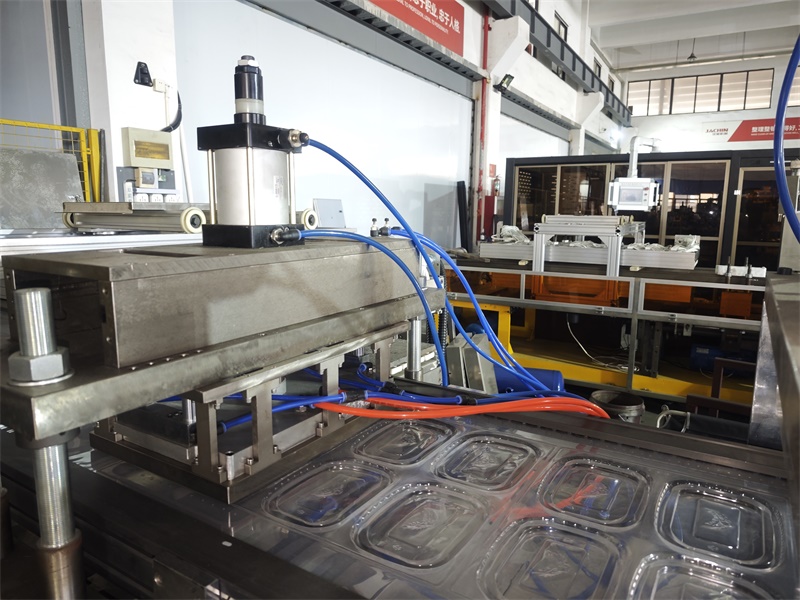
OSHA en Industriële Standaardnakoming vir Termovormveiligheid
Nakoming van industriële veiligheidsstandaarde is die bedryfsgrondslag vir die beheer van gevare in termovorming. 'n Sistematiese benadering bring masjienveiligheid, prosedurele beheer en dokumentasie saam in een, verifieerbare veiligheidsraamwerk.
Vereenselwiging met OSHA 29 CFR 1910.212–219: Beskerming, Uitskakeling en Etikettering, en Dokumentasievereistes
Die kernopdrag van OSHA 29 CFR 1910.212 is eenvoudig: een of meer metodes van masjienbeskerming moet die bediener en ander werknemers beskerm teen gevare wat ontstaan by die werkplek, ingaan-klampunte en draaiende dele. Vir ’n termovormer beteken dit fisiese versperrings teen die vormpers en materiaalvoedsisteem. Beskermings moet waar moontlik aan die masjien vasgemaak word — of anders veilig veranker word — om te voorkom dat hande of ledemate tydens ’n siklus in die gevaarlike area ingebring word.
Beheer van gevaarlike energie word beheer deur 29 CFR 1910.147 (uitskakeling/merking, of LOTO). Die protokol moet ’n masjien-spesifieke volgorde vir die isolering van pneumatoriese, hidrouliese en elektriese energie voor gereedskapverandering of onderhoud definieer — en die bevestiging van ’n nul-energiestoestand is die finale, nie-verhandelbare stap. Gebrekkige beheer van gevaarlike energie behoort konsekwent tot OSHA se top 10 mees algemene skendinge, wat die regulêre klem op hierdie risiko beklemtoon.
Dokumentasie transformeer veiligheidsaktiwiteit in ’n natrekbare proses. ’n Konforme program integreer drie dokumenttipes:
- Prosedureel : Stap-vir-stap LOTO-reekse en bewakingsinspeksiekontrolelysies;
- Bewysgewend : Aanvanklike en periodieke inspeksie-sertifikate;
- Magsverleenend : Permits vir take soos die omseil van ’n onderling gekoppelde bewaking.
’n Jaarlikse LOTO-prosedureoudit word vereis en moet deur ’n outoriseerde werknemer wat nie by die hersiening van die taak betrokke is nie, gesertifiseer word. Sonder hierdie dokumentasie verteenwoordig selfs goed-bewaakte toerusting ’n ouditeerbare konformiteitskloof.
Voldoen aan ANSI Z432–2023 en ISO 12100 vir risiko-gebaseerde veiligheidsintegrasie
Terwyl OSHA die wetlike “wat” definieer, voorskryf standaarde soos ANSI Z432–2023 en ISO 12100:2010 die ingenieurswetenskaplike “hoe”. ISO 12100 stel ’n drie-stap iteratiewe metode vir die bereiking van veiligheid vas: inherente veilige ontwerpmaatreëls, beskerming en aanvullende beskermende maatreëls, en inligting vir gebruik. Vir termovorming behels inherente veilige ontwerp die plasing van hidrouliese manifolde weg van hoë-hitte-gebiede om brandrisiko te verminder—of die ontwerp van gereedskapmonteerstukke vir buiterlike instelling om blootstelling tydens wisseling te minimeer.
ANSI Z432–2023 maak hierdie filosofie vir Noord-Amerikaanse masjinerie werkbaar deur ’n gestruktureerde risikobepalingsproses te verskaf wat elke gevaar—termiese brande, persbeserings, skuifkragte—skaal deur swaarte en waarskynlikheid met mekaar te vermenigvuldig. Hierdie deterministiese logika dryf die keuse van toepaslike beskermingsmaatreëls.
Die twee standaarde integreer naadloos in ’n verenigde strategie waarin laag-oor-laag beheermaatreëls mekaar versterk:
| Risikoverminderingstap (ISO 12100) | Toepassing in Termovorming (ANSI Z432-konteks) |
|---|---|
| Inherente Veilige Ontwerp | Vermeerdering van die afstand tussen die bedienerstasie en die verhitingsgebied; ontwerp van gereedskapmonteerders vir buitelandse instelling. |
| Veiligheidsmaatreëls (Beskermers en Toestelle) | Installasie van onderling gekoppelde polikarbonaatdeure by die vormstasie wat hittevervorming weerstaan. |
| Inligting vir Gebruik | Aanbring van veiligheidsetikette by alle energie-isolasiepunte; opleiding oor resulterende risiko na beskerming geïnstalleer is. |
Hierdie benadering verseker redundantie: as ’n vasgeveste beskerming vir onderhoud verwyder word, aktiveer die onderling gekoppelde veiligheidstelsel onmiddellik ’n stop—wat aan die risikoverminderingvereistes vanaf verskeie beheelhoekpunte voldoen.
Termovorming-Spesifieke Gevaaridentifikasie en Risiko-evaluasie
Kaartmaking van Termiese, Meganiese en Elektriese Gevare: Oppervlaktes >300°F, Knyp- of Perspunte, en Hidrouliese Mislukkings
’n Streng proses vir die identifisering van gevare kaart alle energiebronne oor die hele produksieproses. Termiese gevare tree die meeste op: stralingsverhitters en plastiekvelle oorskry gereeld 300°F (149°C), wat tweede- of derdegraadsbrandwonde binne sekondes veroorsaak. Warm resedue wat aan gereedskap vasplak, skep onvoorspelbare brandpunte—selfs nadat die siklus voltooi is.
Meganiese gevaarsfaktore konsentreer by knyp-punte tussen sluitende plaatte, waar kragte meer as 20 ton kan oorskry, en by afsny-stasies waar draaiende messe sny-gevaar inhou. Handmatige vorm-verwisseling bring pers-gevaar mee indien energie-isolasie misluk. Elektriese gevaarsfaktore kom van hoë-stroom-verhittingselemente, ontbloot busbars en beheerkaste—wat die moontlikheid van boogflits tydens onderhoud verhoog. Hidrouliese stelsels voeg unieke bedreigings by: klein gaatjies in lekke kan vloeistof inspuit teen drukke tot 3 000 psi, terwyl gestoorde energie in akkumulators onverwagse beweging na afskakeling kan veroorsaak. Die kaartmaking van hierdie termiese, meganiese en elektriese gevaarsfaktore teenoor elke prosesstap maak dit moontlik om doelgerigte, hoë-impak beheermiddele toe te pas.
Masjienbeskermingsstrategieë wat optimeer is vir termovormingsbedrywighede
Vaste teenoor geïnterlokte beskermings in hoë-temperatuur-sones: Balansering van termiese integriteit en bediener-toegang
Termovormmasjinerie stel bewakingsstelsels bloot aan oppervlaktemperature wat 300°F (149°C) oorskry, wat materiaalkeuse en meganiese ontwerp kritiek maak. Vaste beskermings—gewoonlik vervaardig uit dik polikarbonaat of geperforeerde staal—behou strukturele integriteit sonder aktiewe sensore en is ideaal vir permanente hoë-hitte-gebiede. Dit belemmer egter gereelde toegang vir vormverwisseling, wat algemeen voorkom in buigsame vervaardigingslyne.
Die vergrendelde beskermers los dit op deur veiligheidskakelaars te integreer wat die siklus stop wanneer 'n deur of paneel oopgemaak wordmaar hul temperatuurbeplande limietskakelaars en bedrading is kwesbaar vir termiese agteruitgang en kontaklasstoring. Die Buro vir Arbeidsstatistiek berig dat 34% van masjienverwante amputasies onvoldoende beskerming behels het, dikwels waar hitte die betroubaarheid van die sensor in gevaar stel. Die optimale oplossing stel vaste termiese hindernisse oor verwarmingspankke met vergrendelde toegangspunte aan lae temperatuur kante in om beskerming te verseker sonder termiese fout. Voorkomende instandhoudingsprogramme moet gereelde integriteitskontroles van vergrendelingskringe en hittebestande seëls insluit.
Aanpasbare beskerming vir veranderlike vormgroottes: betroubaarheidsuitdagings in hoë siklusproduksie
Moderne termovormlyne ruil dikwels vorms, wat bewakingsstelsels vereis wat vinnig kan aanpas sonder beskerming te verloor. Gleipanele, uitrekbare skerms of herposisioneerbare liggordyne pas by veranderlike plaatdimensies aan—maar voeg slytasie-gevoelige komponente in hoë-siklusomgewings in wat 30+ slae per minuut bedryf. Vibrasie en impak kan interlokende kamme mislyn, gleibane afskeep en vals „veilige“ seine genereer.
ISO 12100 vereis dat verstelbare bewakings veilig-bly. Robuuste positiewe-sluitmeganismes en dubbele posisiesensors is dus noodsaaklik. Die grootste risiko ontstaan wanneer operateurs buite werking gestelde sensore omseil om produksie te handhaaf. 'n Veiligheid-eerste kultuur—versterk deur streng uitskakel/etiketteer-afdwinging tydens vormveranderinge en daaglikse toetse van aanpasbare bewakings—is die voorste verdediging teen subtiele, hoë-gevolg-foute.
Operateurveiligheidsimplementering: Opleiding, persoonlike beskermingsuitrusting en veiligheidskultuur
Kompetisiegebaseerde opleiding wat in ooreenstemming is met industriële standaarde
Kompetisiegebaseerde opleiding versterk die veiligheid van operateurs deur noodsaaklike vaardighede te verifieer teen erkende maatstawweinsluitend ISO 23814 en OSHA 29 CFR 1910.212. Effektiewe programme kombineer praktiese simulasies, SOP-opnames en scenario-gebaseerde assesserings om te verseker dat werkers termiese, meganiese en elektriese gevare kan identifiseer voordat hulle sonder toesig werk. 'n 2023-opname onder plastiekvervaardigers het bevind dat daar 'n 34% daling in aangetekenbare voorvalle was ná die aanvaarding van gevalideerde bevoegdheidsprogramme. Herbevestigings elke 12-18 maande handhaaf vaardigheids- en vaardigheidsverskuiwing, terwyl gedokumenteerde operateurbeoordelings die gereedheid van oudits ondersteun en 'n proaktiewe veiligheidskultuur handhaaf.
PPE-keuse-logika: hittebestande handskoene (EN 407 Klas 4), gesigskerms en nie-smeltbare skoene
Die keuse van PBM moet direk ooreenstem met die oorheersende gevare van termovorming: stralende hitte, gesmelte polimeer spat en knippunte. Handskoene wat aan EN 407 Klas 4 voldoengesertifiseer vir hittebestandheid tot 500°Cis verpligtend vir die hantering van gereedskap of velle bo 300°F. Gesigskerms met ANSI Z87.1-gesertifiseerde lense beskerm teen spatters, terwyl nie-smeltbare skoene 'n Voorvalontleding deur 'n toonaangewende veiligheidsraad het bevind dat 60% van die hittebeserings in termovorming hande betrek het, wat handskoene bevestig as die doeltreffendste enkele ingrypingen 'n nie-onderhandelbare element van die veiligheidsprotokolle van operateurs.
VEE
Wat is die belangrikste nakomingstandaarde vir die veiligheid van termoforming?
Belangrikste nakomingstandaarde sluit in OSHA 29 CFR 1910.212219 vir bewaking, uitsluiting/tag-out (LOTO) en dokumentasie, ANSI Z4322023 vir risiko-evaluering, en ISO 12100:2010 vir veilige ontwerp en beskermingsmaatreëls.
Wat is die primêre gevare in termovorming?
Die primêre gevare sluit in termiese brandwonde van hoë temperatuuroppervlaktes, meganiese risiko's soos knippunte en draaiende lemme, sowel as elektriese gevare soos boogflits en wanfunksies van hidrouliese stelsels.
Hoe moet beskermingstelsels vir hoë temperatuursones geoptimaliseer word?
Beskermingsstelsels moet die strukturele integriteit wat nodig is vir hoë hitte-areas in balans bring met toegangsvereistes van operateurs. Vaste termiese hindernisse en verbonde toegangspunte bied veiligheid terwyl oorverhitting van sensorsisteme in hoë temperatuursones voorkom word.
Watter persoonlike beskermende toerusting is noodsaaklik vir operateurs wat termoforming doen?
Noodsaaklike PBM's sluit hittebestande handskoene (EN 407 Klas 4-gesertifiseerde), ANSI Z87.1-gesertifiseerde gesigskerms en nie-smeltbare skoene soos hittebestande leerstewels in, veral dié met metatarsalbeskermers.
Waarom is dokumentasie belangrik in die nakoming van veiligheid?
Dokumentasie verseker dat veiligheidsprosedures, soos LOTO-sekwensies en inspeksies, na verwysing kan word. Dit ondersteun gereedheid vir oudits en bevestig die nalewing van industriele veiligheidsstandaarde.
Tabel van inhoud
- OSHA en Industriële Standaardnakoming vir Termovormveiligheid
- Termovorming-Spesifieke Gevaaridentifikasie en Risiko-evaluasie
- Masjienbeskermingsstrategieë wat optimeer is vir termovormingsbedrywighede
- Operateurveiligheidsimplementering: Opleiding, persoonlike beskermingsuitrusting en veiligheidskultuur
-
VEE
- Wat is die belangrikste nakomingstandaarde vir die veiligheid van termoforming?
- Wat is die primêre gevare in termovorming?
- Hoe moet beskermingstelsels vir hoë temperatuursones geoptimaliseer word?
- Watter persoonlike beskermende toerusting is noodsaaklik vir operateurs wat termoforming doen?
- Waarom is dokumentasie belangrik in die nakoming van veiligheid?