
 EN
EN
ဘယ်လို ခြေဖွင့်စီးများ ထုတ်လုပ်ရန် စက်များ စက်မှုလုပ်ငန်းများကို တိုးချဲ့နိုင်ပြီး ပေါင်းစပ်ထုတ်လုပ်မှုလိုင်းများကို ဖွင့်လှစ်ပေးခြင်း
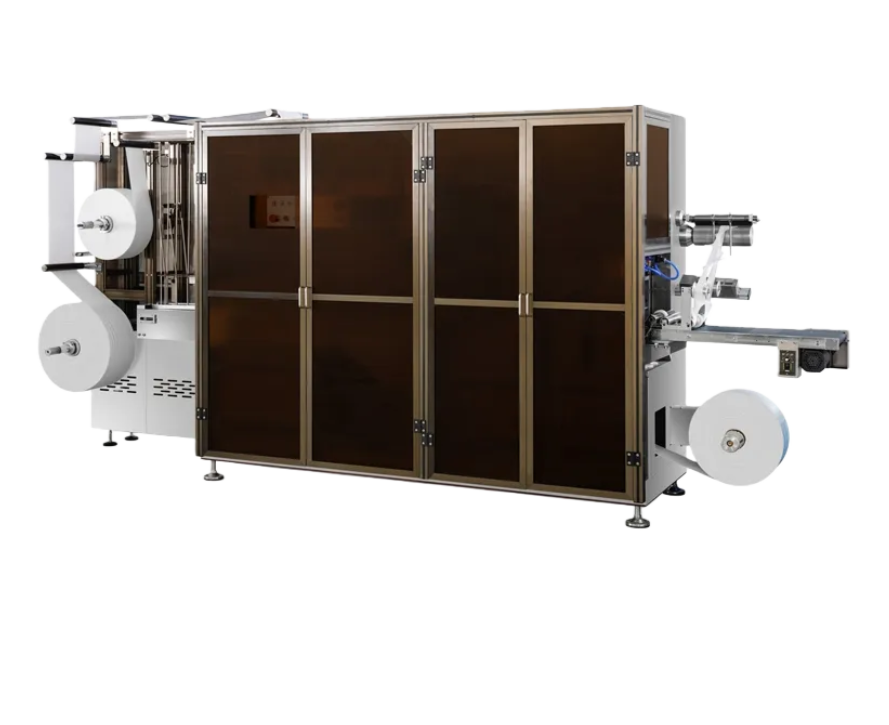
မော်ဂျူလာဒီဇိုင်း- တစ်ခုတည်းသော ယူနစ်များမှ အတူတက်ဆက်သွယ်ထားသော မော်ဂျူလာများစုစုပေါင်းဖွဲ့စည်းမှုများအထိ
ယနေ့ခေတ်ခြေဖွင့်စီးထုတ်လုပ်မှုစက်များသည် လုပ်ငန်းများကို အဆင့်ဆင့်တိုးချဲ့ရန် လွယ်ကူစေသည့် မော်ဂျူလာစနစ်များဖြင့် ပေးဆောင်ပါသည်။ ကုမ္ပဏီအများစုသည် ဖြူးမ်ထည့်သွင်းသည့်စက်များ သို့မဟုတ် ခြေဖွင့်စီးအောက်ခြေပုံသေးများကဲ့သို့သော အခြေခံယူနစ်များဖြင့် စတင်ပြီး လုပ်ငန်းလုပ်ကိုယ်လုပ်မှု တိုးတက်လာသည့်အခါတွင် နောက်ထပ်စက်များကို ဖြည့်စွက်ထည့်သွင်းကြသည်။ ဤအဆင့်ဆင့်နည်းလမ်းသည် အစပိုင်းတွင် ကုန်ကုန်ကြီးမှုများကို လျော့နည်းစေပြီး ထုတ်လုပ်မှု၏ အစိတ်အပိုင်းအသီးသီးသည် အဆက်မပုတ်ဘဲ ချောမွေ့စွာ အလုပ်လုပ်နေစေသည်။ ထိုစက်များတွင် အစားထိုးနိုင်သည့် ကိရိယာများလည်း ပါဝင်သည်။ ထို့ကြောင့် ခြေဖွင့်စီးအမျိုးအစားများ သို့မဟုတ် အသုံးပြုသည့်ပစ္စည်းများကို အလွယ်တက် ပြောင်းလဲနိုင်ပြီး ထုတ်လုပ်မှုလိုင်းတစ်ခုလုံးကို ပြန်လည်ပုံစံသေးရန် မလိုအပ်ပါ။ ဤသည်သည် အချိန်ကို ချွေတာပေးပြီး စက်ရုံအတွင်းရှိ အရေးကြီးသည့်နေရာများကို လွတ်မောင်းပေးပါသည်။ နောက်ဆုံးတွင် ကျွန်ုပ်တို့ရရှိသည်များသည် တစ်ခုနှင့်တစ်ခု ဆက်သွယ်မှုမရှိဘဲ သီးခြားစီ အလုပ်လုပ်နေသည့် စက်များများမှ မဟုတ်ဘဲ အလုပ်လုပ်စဉ်အတွင်း နောက်တစ်ဆင့်တွင် လိုအပ်သည့်အရာများကို အလွယ်တက် သိရှိနေပြီး အတူတက် အလုပ်လုပ်နေသည့် စနစ်တစ်ခုဖြစ်ပါသည်။
လက်တွေ့လုပ်ဆောင်မှု အသုံးချမှု- PU ဖြူစီးလ်ပါ စလစ်ပါ အပြည့်အစုံ ထုတ်လုပ်ရေးလိုင်း အမှုဖော်ပြချက် (၂၀၂၃)
တောင်ပိုင်းတရုတ်နေရာတွင် အခြေစိုက်သည့် အရှေးအာရှနိုင်ငံမှ ကုမ္ပဏီတစ်ခုသည် PU ဖြူစီးလ်ပါ စလစ်ပါများ ထုတ်လုပ်ရေးလိုင်းကို စတင်ခဲ့ပါသည်။ ဤလိုင်းသည် အစပိုင်းတွင် အဓိကစက်မှုကိရိယာများ သုံးလုံးသာ ပါဝင်ခဲ့ပါသည်။ သို့သော် ၁၈ လအတွင်း အလွန်မျှော်လင့်ခဲ့သည်ထက် များစွာမြန်မှုဖြင့် အလုပ်လုပ်နေသည့် စက်မှုကိရိယာ ၁၂ ခုပါ အလိုအလျောက်စနစ်တစ်ခုအဖြစ် တိုးချဲ့လေ့ရှိပါသည်။ ဤစနစ်သည် ပစ္စည်းများကို ဖောင်ထုတ်ခြင်း၊ ဖိခြင်းနှင့် နောက်ဆုံးတွင် ထုတ်ကုန်များကို အနောက်ဆုံးအဆင့် ဖြတ်တောက်ခြင်းအထိ အားလုံးကို စီမံခန့်ခွဲပေးပါသည်။ အများအားဖြင့် တစ်နေ့လျှင် အလုပ်လုပ်နေသည့် အချိန်သည် ၉၈% ရှိပါသည်။ ဤစနစ်ကို အသုံးပြုပြီးနောက် အလွန်ထင်ရှားသည့် အကောင်းများသည် အဘယ်နည်းဆိုသော်- ထုတ်လုပ်မှုပမာဏသည် ၄၀% ခန့် တိုးတက်လာခဲ့ပါသည်။ ထို့အပြင် လက်ဖျားအလုပ်သမားများအတွက် စရိတ်များသည် ၃၀% ခန့် လျော့ကျသွားခဲ့ပါသည်။ ဤလုပ်ငန်းစဉ်တစ်ခုလုံးသည် ယနေ့ခေတ် စက်မှုထုတ်လုပ်မှုနှင့် ပတ်သက်၍ စိတ်ဝင်စားဖွယ်ရာ အချက်တစ်ခုကို ပြသပေးပါသည်။ အထူးသဖြင့် စက်မှုကိရိယာများသည် စံသတ်မှတ်ထားသည့် အင်တာဖေးများမှတ်တမ်းများဖြင့် အချင်းချင်း ဆက်သွယ်နေနိုင်ပါက ကုမ္ပဏီများသည် ဖောက်သည်များ၏ လိုအပ်ချက်များအရ ထုတ်လုပ်မှုပမာဏကို တိုးချဲ့ခြင်း သို့မဟုတ် လျှော့ချခြင်းများကို လုပ်ဆောင်နိုင်ပါသည်။ ထို့အပြင် လုပ်ငန်းစဉ်တစ်ခုလုံးတွင် အရည်အသွေးမြင့်မှုနှင့် အလွန်ချောမွေ့သည့် လုပ်ငန်းစဉ်များကို ထိန်းသိမ်းနိုင်ပါသည်။
တိကျစွာ တိုင်းတာနိုင်သော အကျိုးကျေးဇူးများ – ထုတ်လုပ်မှုနှုန်း၊ အရည်အသွေး တည်ငြိမ်မှုနှင့် လုပ်ငန်းဆောင်ရွက်မှု ထိရောက်မှု
ဖိနပ်ထုတ်လုပ်မှုကို အလိုအလျောက်လုပ်ဆောင်ခြင်းသည် အရေးကြီးသော ကဏ္ဍသုံးခုဖြစ်သည့် ထုတ်လုပ်မှုပမာဏ၊ ထုတ်ကုန်တသမတ်တည်းရှိမှုနှင့် အရင်းအမြစ်ထိရောက်မှုတို့တွင် တိုင်းတာနိုင်သော တိုးတက်မှုများကို ပေးစွမ်းသည်။ ဤအကျိုးကျေးဇူးများကို ၂၀၂၂ မှ ၂၀၂၄ အတွင်း အလိုအလျောက်လုပ်ဆောင်ခြင်းကို လက်ခံကျင့်သုံးသည့် အာရှ-ပစိဖိတ်စက်ရုံများမှ ထုတ်လုပ်မှုဒေတာများက အတည်ပြုထားသည်။
ထုတ်လုပ်မှုနှုန်း တိုးတက်မှု – အာရှ-ပစိဖိတ် အလတ်စား စက်ရုံများတွင် ၃၇% အလျှင်း တိုးတက်မှု (၂၀၂၂–၂၀၂၄)
အလိုအလျောက်စနစ်များကို ပေါင်းစပ်သော အလတ်စား စက်ရုံများသည် လက်ဖျားဖြင့် ထုတ်လုပ်မှုနှင့် နှိုင်းယှဉ်ပါက နေ့စဥ် ထုတ်လုပ်မှုနှုန်းတွင် ၃၇% အလျှင်း တိုးတက်မှုကို ရရှိခဲ့ပါသည်။ ဤတိုးတက်မှုသည် အဆက်မပြတ် လုပ်ငန်းလည်ပတ်မှု စက်စွဲမှုများနှင့် ပစ္စည်းများ ပိုမိုမြန်ဆန်စွာ ကွင်းဆက်မှုများကြောင့် ဖြစ်ပါသည်။ လက်ဖျားဖြင့် ထုတ်လုပ်သည့် စက်လုပ်ငန်းများတွင် ၈ နာရီ အလုပ်အချိန်အတွင်း အများအားဖြင့် ၈၀၀–၁,၂၀၀ စုံ ထုတ်လုပ်နိုင်သော်လည်း အလိုအလျောက်စနစ်များဖြင့် အလားတူ အချိန်အတွင်း ၁,၁၀၀–၁,၆၅၀ စုံ ထုတ်လုပ်နိုင်ပါသည်။
အရည်အသွေးနှင့် ယုံကြည်စိတ်ချရမှု – ထုတ်လုပ်မှု တည်ငြိမ်မှု ၉၄% တိုးတက်မှု၊ စက်ပိုင်းဆိုင်ရာ အလုပ်မလုပ်နိုင်မှု ၃၁% လျော့ကျမှု၊ စွမ်းအင်သုံးစွဲမှု ၂၂% လျော့ကျမှု
အလိုအလျောက်စနစ်သည် စလစ်ပါများ၏ အရွယ်အစားနှင့် ပစ္စည်းအသုံးပြုမှုတွင် အလွန်နီးစပ်စွာ ထပ်တူဖြစ်စေရေးကို အာမခံပေးပါသည်။ ISO 9001 စစ်ဆေးမှုအချက်အလက်များအရ အရွယ်အစားတူညီမှုသည် ၉၄% အထိ တိုးတက်လာခဲ့ပါသည်။ ကြိုတင်ခန့်မှန်းထားသော ပုံမှန်မဟုတ်သော ပြုပြင်မှုများ (Predictive maintenance protocols) ကြောင့် မျှော်လင့်မထားသော စက်ပစ္စည်းရပ်နားမှုများသည် ၃၁% လျော့ကျခဲ့ပါသည်။ ဆာဗိုမော်တာများဖြင့် လှုပ်ရှားသော စနစ်များကြောင့် ထုတ်လုပ်မှုတစ်ခုလျှင် စွမ်းအင်သုံးစွဲမှုသည် ၂၂% လျော့ကျခဲ့ပါသည်။
ROI ဆန်းစစ်ခြင်း- ရင်းနှီးမြှုပ်နှံမှု (CAPEX) နှင့် ရေရှည်တွင် ကုန်ကုန်ကုန်သက်သော စွမ်းဆောင်ရည်ကို ဟန်ချက်ညှိခြင်း
စလစ်ပါထုတ်လုပ်ရေးစက်များအတွက် ရင်းနှီးမြှုပ်နှံမှုအပေါ် အကျိုးအမြတ်ပြန်လာ (ROI) ကို အကဲဖြတ်ရာတွင် အစပိုင်းတွင် အလွန်များပြားသော ရင်းနှီးမြှုပ်နှံမှု (CAPEX) ကို အလွန်ရှည်လျားသော လုပ်ငန်းဆောင်တွင် ကုန်ကုန်သက်သော စွမ်းဆောင်ရည်နှင့် နှိုင်းယှဉ်စဥ်းစားရပါမည်။ ပေါင်းစပ်ထားသော စနစ်များသည် အစပိုင်းတွင် ဒေါ်လာ ၂၀၀,၀၀၀ မှ ၅၀၀,၀၀၀ အထိ ရင်းနှီးမြှုပ်နှံမှုလိုအပ်သော်လည်း လုပ်ငန်းအတွက် အချက်အလက်များအရ ပြန်လာရန်ကာလ (payback periods) သည် အလျှင်းအားဖြင့် ၁၈ မှ ၃၆ လ အထိ ဖြစ်ပါသည်။ ထိုအချိန်အကြာတွင် ထုတ်လုပ်သူများသည် သန်းပေါင်းများစွာ အကျိုးအမြတ်ရရှိခဲ့ပါသည်။
အရေးကြီးသော ဘဏ္ဍာရေးအားများမှာ အောက်ပါအတိုင်းဖြစ်ပါသည်။
- အလုပ်သမား ကျေးဇူးလျှော့ချခြင်း အလိုအလျောက်စနစ်- လုပ်သမ်းအလုပ်သမ်းများ၏ လုပ်အားသုံးစွဲမှုကို ၄၀–၆၀% အထ do လျော့ကျစေပါသည်။ ထို့ကြောင့် လုပ်သမ်းလုပ်အားခနှင့် သက်ဆိုင်ရာ အပိုစရိတ်များကို တိုက်ရိုက်လျော့ကျစေပါသည်။
- ပစ္စည်းအသုံးပြုမှု လျော့နည်းခြင်း တိကျသော ဖြတ်တောက်မှုနှင့် ပမာဏသတ်မှတ်မှုများကြောင့် အသုံးပြုသည့် အခြေခံပစ္စည်းများ၏ အကြွင်းအကျန်သည် ၂၅% အထိ လျော့ကျစေပါသည်။
- စွမ်းအင်ထိရောက်မှု ခေတ်မှီ servo ထိန်းချုပ်မှုစနစ်ပါသော စက်မှုကိရိယာများသည် ရှေးဟောင်း hydraulic သို့မဟုတ် pneumatic စနစ်များထက် စွမ်းအင်သုံးစွဲမှုကို ၂၂ ရာခိုင်နှုန်းအထိ လျှော့ချနိုင်ပါသည်။
ကမ္ဘာ့အဆင့်မှီ ထုတ်လုပ်ရေးလုပ်ငန်းများသည် ရင်းနှီးမြှုပ်နှံမှုမှ ပေးဆောင်မှု (ROI) ကို ငွေကြေးတန်ဖိုးအရ အနှစ် ၅ မှ ၇ အထိ တွက်ချက်ခြင်းဖြင့် စုံစမ်းလေ့လာကြပါသည်။ ထိုသို့သော တွက်ချက်မှုများတွင် နှစ်စဥ် ပုံမှန်ထိန်းသောင်းစရိတ်များ (ရှေးနေရာတွင် ရင်းနှီးမြှုပ်နှံမှု၏ ၃ မှ ၅ ရာခိုင်နှုန်းအထိ ဖြစ်လေ့ရှိသည်)၊ စက်ပစ္စည်းများ တပ်ဆင်ပြီးနောက် ထုတ်လုပ်မှုစွမ်းရည် တိုးတက်မှုများ စတင်ပေါ်ပေါက်ရန် ကြာမှုကာလ၊ နောင်နေ့တွင် ထုတ်လုပ်မှုလုပ်ဆောင်ချက်များ တိုးမြှင့်ရန် စနစ်က လုံလေးစိတ်ဖြင့် လက်ခံနိုင်မှု စသည်တို့ကို ထည့်သွင်းစဉ်းစားကြပါသည်။ စက်ရုံများသည် အလိုအလျောက်စနစ်များ တပ်ဆင်ပြီးနောက် ထုတ်လုပ်မှုပမာဏကို တိုးမြှင့်နိုင်ပါက စက်မှုလုပ်ငန်းအစီရင်ချက်များအရ အမြတ်ငွေအမြောက်အမြား (gross margins) တွင် ၂၀ မှ ၃၀ ရာခိုင်နှုန်းအထိ တိုးတက်မှုများကို တွေ့ရှိရပါသည်။ ထိုသို့သော အချက်များသည် ယနေ့ခေတ် ပြိုင်ဆိုင်မှုများပေါ်ပေါက်နေသော ဈေးကွက်တွင် ရင်းနှီးမြှုပ်နှံမှုများကို ပိုမိုပါးနပ်စွာ အသုံးပြုခြင်းဖြင့် ရှည်လျားစွာ အကျေးဇူးပေးနိုင်သည့် အကျိုးကျေးဇူးများကို ရှင်းလင်းစွာ ဖော်ပြပေးပါသည်။
မေးလေ့ရှိသောမေးခွန်းများ
ခြေထောက်ဖိနပ်များ ထုတ်လုပ်ရာတွင် modular design များကို အသုံးပြုခြင်း၏ အဓိက အကျေးဇူးကား အဘယ်နည်း။
မော်ဂျူလာဒီဇိုင်းများသည် လုပ်ငန်းစဉ်များကို တဖြည်းဖြည်းချင်း ချဲ့ထွင်နိုင်ရန်နှင့် ထုတ်လုပ်မှုအဆင့်များကို ချောမွေ့စွာ ပေါင်းစပ်နိုင်ရန် လုံလောက်သော လုပ်ဆောင်နိုင်မှုနှင့် စုစုပေါင်းစုစုပေါင်း ကုန်ကုန်သက်သော အကျိုးကျေးနှုံးကို ပေးစေပါသည်။
အလိုအလျောက် ခြေထောက်ဖိနပ် ထုတ်လုပ်ရေးစက်များသည် ထုတ်လုပ်မှု အကျိုးရှိမှုကို မည်သို့မှ မှုန်းမှုန်းပေးပါသနည်း။
ထိုစက်များသည် ထုတ်လုပ်မှုနှုန်း၊ ထုတ်ကုန်အရည်အသွေး တည်ငြိမ်မှုနှင့် စွမ်းအင်အသုံးပြုမှု အကျိုးရှိမှုတို့ကို မြင့်တင်ပေးပါသည်။ ထို့အပါအဝင် စက်ပိတ်မှုအချိန်နှင့် လုပ်သမ်းစရိတ်များကို လျော့နည်းစေပါသည်။
အလိုအလျောက် ခြေထောက်ဖိနပ် ထုတ်လုပ်မှုစနစ်အတွက် အစပိုင်းရင်းနှီးမှု မည်မျှလိုအပ်ပါသနည်း။
ပုံမော်ဒယ်အားဖြင့် အစပိုင်းရင်းနှီးမှုအနေဖြင့် ဒေါ်လာ ၂၀၀,၀၀၀ မှ ၅၀၀,၀၀၀ အထိ လိုအပ်ပါသည်။ လုပ်ငန်းဆောင်တွင် စုစုပေါင်း စုစုပေါင်း ကုန်ကုန်သက်သော အကျိုးကျေးနှုံးများအရ ပြန်လည်ရရှိမှုကာလသည် ၁၈ လမှ ၃၆ လအထိ အလျှောက် အလျှောက် ဖြစ်ပါသည်။
Table of Contents
- ဘယ်လို ခြေဖွင့်စီးများ ထုတ်လုပ်ရန် စက်များ စက်မှုလုပ်ငန်းများကို တိုးချဲ့နိုင်ပြီး ပေါင်းစပ်ထုတ်လုပ်မှုလိုင်းများကို ဖွင့်လှစ်ပေးခြင်း
- တိကျစွာ တိုင်းတာနိုင်သော အကျိုးကျေးဇူးများ – ထုတ်လုပ်မှုနှုန်း၊ အရည်အသွေး တည်ငြိမ်မှုနှင့် လုပ်ငန်းဆောင်ရွက်မှု ထိရောက်မှု
- ROI ဆန်းစစ်ခြင်း- ရင်းနှီးမြှုပ်နှံမှု (CAPEX) နှင့် ရေရှည်တွင် ကုန်ကုန်ကုန်သက်သော စွမ်းဆောင်ရည်ကို ဟန်ချက်ညှိခြင်း
- မေးလေ့ရှိသောမေးခွန်းများ