
 EN
EN
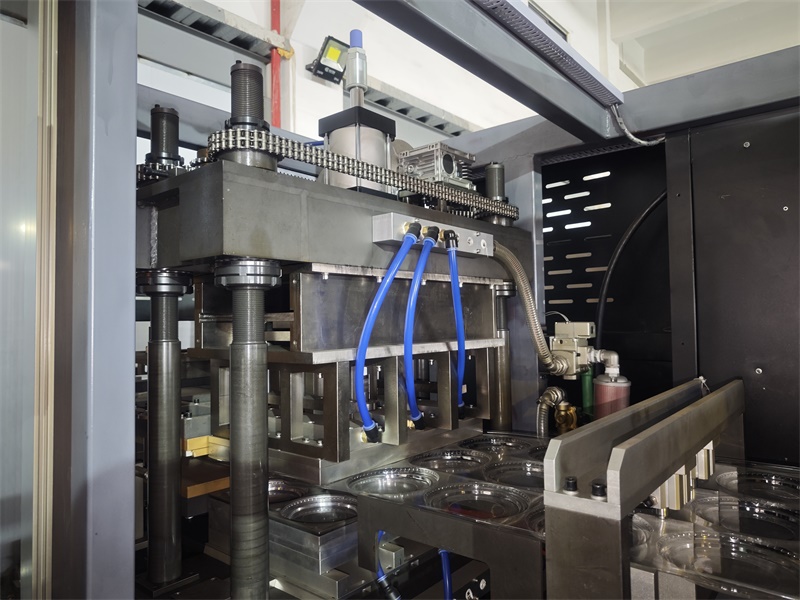
Root Cause Analysis of Key Thermoforming Defects
Effective thermoforming defects troubleshooting and quality control begins with dissecting the primary failure modes. Webbing, bubbles, and thin walls each arise from distinct root causes spanning material properties, machine settings, and mold engineering. Pinpointing these factors prevents repeat rejects and strengthens process reliability.
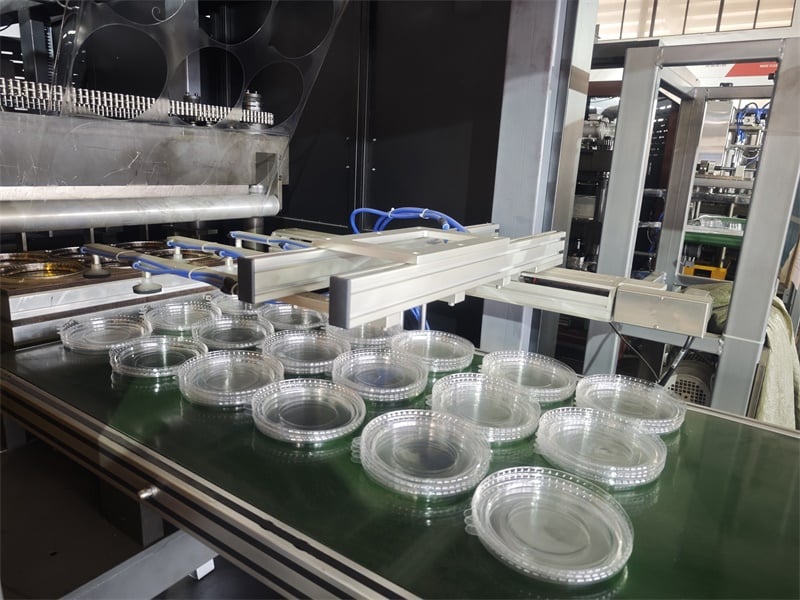
How Webbing Forms: Mold Geometry, Sheet Temperature, and Draw Dynamics
Webbing occurs when excess material flows into unintended areas, forming thin, web-like strands between mold features. The root causes involve:
- Mold Geometry: Sharp corners, deep draws, and closely spaced cavities amplify material stretching, creating regions where the sheet cannot fully conform without surplus accumulation.
- Sheet Temperature: Overheating reduces material viscosity, causing sag and uncontrolled flow. As noted in an in-depth thermoforming defects troubleshooting resource, even a 5 °C variance above the forming window can trigger pronounced webbing.
- Draw Dynamics: Rapid or non-uniform draw rates—especially without plug assist—allow premature sheet contact with the mold, trapping extra material that stretches into webs. Adjusting draw speed profiles and implementing plug-assisted pre-stretching redistributes material more evenly, minimizing web formation.
Bubble Origins: Vacuum Integrity, Material Moisture, and Trapped Air Pathways
Blisters and bubbles on the formed part signal gas entrapment or incomplete vacuum evacuation. Key contributing factors include:
- Vacuum Integrity: Leaks in vacuum lines, worn seals, or insufficient pump capacity prevent full air removal, leaving pockets that expand during cooling. Routine vacuum decay testing helps catch issues before production runs.
- Material Moisture: Hygroscopic polymers absorb ambient moisture. If not properly dried, moisture vaporizes at forming temperatures, creating internal bubbles. Pre-drying sheets to below 0.02% moisture is a widely accepted preventive benchmark.
- Trapped Air Pathways: Blocked or poorly positioned mold vents hinder rapid air escape, especially during high-speed forming. This traps air between the sheet and mold surface. Vent maintenance and proper channel sizing are essential for consistent bubble-free parts.
Thin Wall Development: Heat Distribution, Plug Assist Timing, and Draw Ratio Thresholds
Non-uniform wall thickness—particularly dangerously thin areas—results from an imbalance between material heating, mechanical assistance, and inherent draw limitations. Critical factors are:
- Heat Distribution: Inadequate or uneven heating creates cold spots that resist stretching, forcing adjacent areas to over-thin. Zoned heater calibration and sufficient sheet soak time are paramount.
- Plug Assist Timing: If the plug engages too early or too late, it fails to pre-stretch the sheet uniformly. Optimal timing ensures material is directed into deep cavities before final vacuum application, promoting even wall distribution.
- Draw Ratio Thresholds: When the part’s draw ratio (depth/width) exceeds material capabilities, excessive thinning becomes inevitable. Keeping draw ratios below 1:1 for high-clarity materials—or up to 3:1 for more ductile polymers—reduces thinning risk. Addressing these parameters through process control and mold redesign builds consistent wall distribution.
Preventive Process Controls for Consistent Quality
Temperature Profiling and Sheet Preheating Optimization
Inconsistent sheet temperature is a primary driver of thermoforming defects such as webbing, blisters, and thin walls. Uneven heat distribution causes localized over-stretching or premature cooling, directly impacting material flow. Implementing multi-zone infrared sensors and closed-loop control over preheating duration ensures uniform forming temperature across the entire sheet. According to a 2023 analysis by the Society of Plastics Engineers, aberrant temperature distribution accounts for 45% of thin-wall defects. Real-time statistical process control (SPC) charts allow operators to detect subtle shifts and adjust heater banks before parts fall out of specification—making temperature profiling a cornerstone of preventive quality control.
Vacuum System Calibration and Leak Mitigation Strategies
Vacuum integrity is critical for consistent part replication. Even microscopic leaks reduce draw pressure, leading to bubbling and poor mold definition. Preventive maintenance must include scheduled calibration of vacuum pumps using manometers, and pressure-decay tests across the entire circuit to detect seal wear or pin-hole cracks. A 2022 study by Plastics Technology found that a 5% pressure loss raised bubble defect rates by 30%. Integrating digital vacuum gauges with SPC dashboards reveals gradual degradation trends, enabling proactive leak mitigation. Documented calibration logs and daily visual inspections of gaskets and quick-disconnects complete a low-cost strategy for stable, defect-free output.
Practical Thermoforming Defects Troubleshooting Workflow
A systematic troubleshooting workflow begins by categorizing the defect using a visual checklist: webbing, bubbles, or thin walls. Record location and frequency—this pattern often points directly to the root cause. Next, retrieve machine parameters from the log—sheet temperature profile, vacuum pressure, plug assist timing—and compare them against the optimized baseline established in preventive controls. Cross-reference symptoms with known failure modes: bubbles in a consistent mold corner usually indicate a vacuum leak or moisture issue, while thinning across the entire cavity suggests uneven heating. A structured diagnosis then checks material dryness, vacuum line integrity, heater output, and draw ratio thresholds. Once the probable cause is identified, implement a targeted correction—e.g., increase preheat time, repair seals, or adjust plug assist—and document every change and result. This builds a living defect database that captures what worked and accelerates future diagnostics. The workflow also detects early warning signs—like gradual temperature drift—before they manifest as defects, enabling truly proactive adjustments. Run a short production trial under revised settings and verify quality until stability is confirmed. When consistently applied, this methodical approach becomes second nature—and dramatically cuts scrap rates.
FAQ
-
What is webbing in thermoforming?
Webbing occurs when excess material forms thin, web-like strands between mold features due to excessive stretching, overheating, or improper draw dynamics.
-
What causes bubbles in thermoforming?
Bubbles often result from trapped air, vacuum leaks, or moisture in hygroscopic polymers that vaporizes during the forming process.
-
How can I prevent thin walls in thermoformed parts?
Thin walls can be avoided by ensuring even heat distribution, proper plug assist timing, and maintaining draw ratios within material capabilities.
-
How often should vacuum systems be calibrated?
Vacuum systems should undergo scheduled calibration and maintenance, including daily visual inspections and pressure-decay tests.
-
Why is temperature profiling essential in thermoforming?
Temperature profiling ensures uniform heating of the sheet, reducing the likelihood of defects such as webbing, blisters, and thin walls.