
 EN
EN
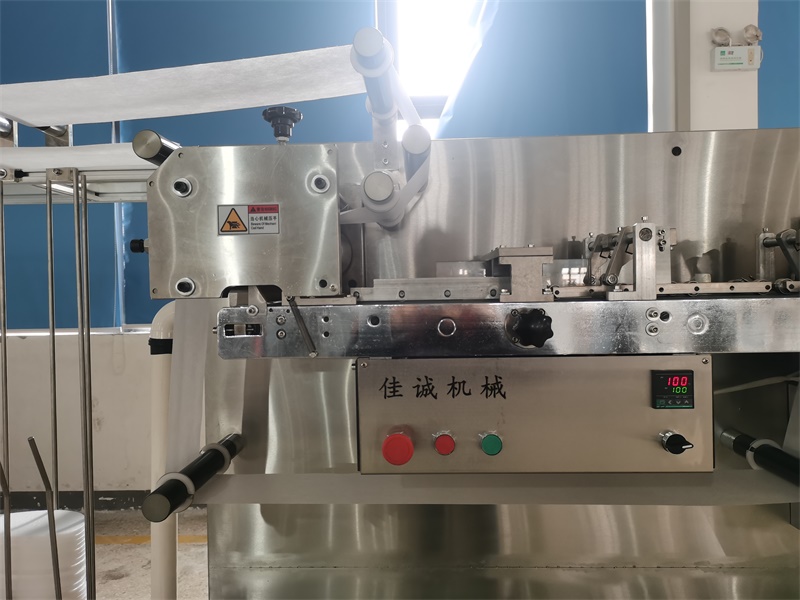
In high-speed slipper production, thermal stability is no longer a secondary concern. As manufacturers pursue faster output, thinner materials, and more consistent dimensions, cooling systems have become a core part of modern Slipper Making Machine design. When the forming, gluing, welding, and cutting stages run continuously, heat can accumulate in molds, films, adhesive zones, and finished surfaces. If that heat is not controlled, the shortest cycle time may still produce defective slippers. A well-designed thermal balance helps the line maintain stable dimensions, consistent surface finish, and reliable bonding. For intelligent high-speed slipper factories, the goal is not only to run faster, but also to protect product quality while reducing waste, labor dependence, and unplanned stops.
The Challenges of Traditional Slipper Production
Traditional slipper manufacturing often depends on separate workstations, manual transfer, and fragmented process control. Materials move from cutting to folding, from gluing to assembly, and from inspection to packing with repeated human intervention. This structure creates a large factory footprint, high labor consumption, and inconsistent output. Complex procedures make training difficult, and small variations between operators can lead to uneven appearance, weak bonding, and wasted material. Many older lines also struggle to maintain a stable production rhythm when demand increases. For manufacturers, these limitations reduce profitability and make it harder to respond quickly to market trends.
A Compact Intelligent Slipper Making Machine
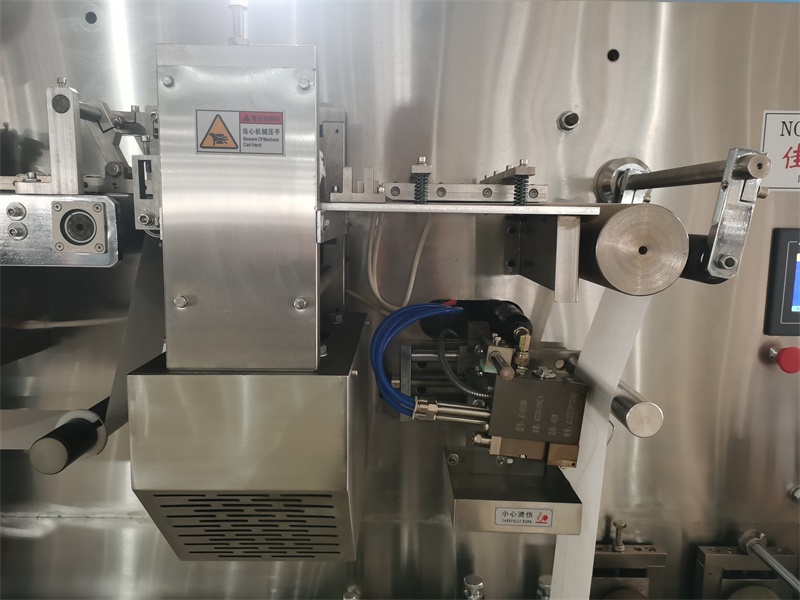
As a manufacturer of intelligent high-speed slipper equipment, we focus on solving these problems through integrated engineering. Our Slipper Making Machine combines automatic material feeding, automatic film feeding and collecting, automatic upper folding and positioning, spray gluing and adhesive coating, ultrasonic welding, and rotary cutting in one coordinated line. The machine is designed to replace complicated manual workflows with a compact, continuous production model. By bringing multiple steps together, it reduces floor space, lowers labor requirements, and improves process consistency. The result is a practical production solution for factories that want higher output, cleaner operation, and better economic returns.
Why Thermal Control Matters in a Slipper Making Machine
A Slipper Making Machine that integrates automatic feeding, film handling, folding, adhesive application, ultrasonic welding, and rotary cutting creates a continuous production flow. This integration improves efficiency, but it also means that each station affects the next. In such a line, cooling systems remove excess heat from critical zones and help materials stabilize before the next process step. When temperature control is poor, operators may slow the line to avoid defects, which increases cycle time. When temperature control is accurate, the machine can maintain a predictable rhythm without sacrificing product quality.
Faster, More Stable Production Through Heat Management
Many factories try to shorten cycle time by increasing speed, adding workers, or forcing faster curing. However, unstable heat can create warping, weak bonding, uneven folding, and surface marks. Advanced cooling systems allow the Slipper Making Machine to keep each process window stable, so the line can run at high speed with fewer interruptions. Stable heat management also supports consistent adhesive behavior and film positioning, which are essential for product quality. In practical terms, a controlled thermal process turns speed into usable output instead of scrap, rework, and machine adjustment.
Quality Gains From Controlled Cooling
In slipper manufacturing, dimensional accuracy, bonding strength, surface appearance, comfort, and consistency from pair to pair are essential. Cooling systems support these results by preventing heat-related deformation after forming and welding. They also help the material set before cutting and stacking, so edges remain clean and shapes remain stable. When the line does not need repeated manual correction, cycle time becomes more predictable. For buyers, this means better product quality, fewer complaints, and a stronger reputation for reliable delivery.
Integrated Automation: From Complex Processes to One Intelligent Line
Traditional slipper production often requires separate machines, manual transfer, multiple operators, and large floor space. Our intelligent high-speed Slipper Making Machine replaces this fragmented approach with an integrated line. It uses an automatic material feeding system, automatic film feeding and collecting system, automatic upper folding and positioning system, spray gluing and adhesive coating system, ultrasonic welding system, and rotary cutting mechanism. With a full servo control system, photoelectric detection system, and flexible PLC programmable control system, the machine connects every step into one continuous workflow. This integrated design reduces manual handling, shortens cycle time, and supports stable product quality. Because the process is compact and coordinated, cooling systems can be arranged around the actual heat load instead of being added as an afterthought.
Automatic Material Feeding and Film Handling
Automatic material feeding is the first step toward stable high-speed production. Instead of relying on manual placement, the machine uses controlled unwinding, tension adjustment, and precise guiding to move material into the working area. The automatic film feeding and collecting system handles film supply and take-up with consistent speed, reducing wrinkles, misalignment, and material waste. This stable handling helps downstream stations work more accurately and reduces the need for constant operator intervention. For factories, it means smoother operation, less material loss, and a more organized workshop.
Upper Folding, Positioning, and Adhesive Application
The automatic upper folding and positioning system places each upper in the correct location before bonding. This reduces variation caused by manual handling and helps maintain uniform appearance across large production batches. The spray gluing and adhesive coating system applies adhesive in a controlled pattern, avoiding excess glue and uneven coverage. Controlled adhesive use not only improves appearance but also reduces material cost and environmental burden. By coordinating folding, positioning, and gluing in one automated sequence, the machine creates a cleaner and more reliable manufacturing process.
Ultrasonic Welding and Rotary Cutting
Ultrasonic welding provides a clean and efficient joining method for many slipper materials. It can create strong bonds without relying on large amounts of solvent-based adhesive, which supports cleaner production and a better working environment. The rotary cutting mechanism then trims the formed slipper with consistent edge quality and accurate shape control. When welding and cutting are synchronized, the line reduces rough edges, incomplete cuts, and surface damage. This coordinated processing helps manufacturers produce slippers with a more refined appearance and better consistency.
Servo Control, Photoelectric Detection, and PLC Flexibility
The full servo control system gives the machine precise motion control, smooth acceleration, and repeatable positioning. Servo-driven operation allows each station to match the speed of the next station, reducing mechanical shock and material stress. The photoelectric detection system monitors material position, film status, and process alignment, helping the machine detect abnormalities before they become serious defects. The flexible PLC programmable control system allows operators to store recipes, adjust parameters, and switch production settings with minimal downtime. This combination makes the Slipper Making Machine easier to operate and more adaptable to different slipper styles.
Lower Labor Cost and Smaller Footprint
One of the biggest advantages of the integrated design is its effect on labor and factory space. Traditional lines often need many operators for feeding, transferring, gluing, assembling, inspecting, and packing. By automating these tasks, the Slipper Making Machine reduces the number of workers needed for routine operation. It also reduces the distance between process steps, so the production line occupies less floor space. A smaller footprint helps factories use existing workshops more efficiently and leaves room for future expansion. For investors, this means lower operating cost and a faster return on investment.
Cleaner Production and Environmental Responsibility
Modern slipper manufacturers must consider environmental impact as well as output. The integrated machine supports cleaner production by reducing adhesive waste, film scrap, and unnecessary material handling. Automatic film collecting helps keep the workshop organized, while precise gluing reduces excess chemicals in the production environment. Ultrasonic welding can also reduce dependence on some solvent-based bonding methods. These improvements help factories meet stricter environmental expectations and create a safer workplace. Sustainable manufacturing is not only a social responsibility; it also improves long-term operational efficiency.
Practical Maintenance and Operator Support
High-speed production requires not only advanced technology but also easy maintenance. The machine structure should allow quick access to critical components, clear diagnostic information, and stable spare parts support. With PLC-based control, operators can identify alarms, understand process status, and make adjustments without lengthy troubleshooting. Training becomes simpler because the system guides operators through parameter settings and production changeovers. This practical design reduces unexpected stops and helps maintenance teams keep the line running smoothly.
Market Demand for Consistent Slipper Supply
Seasonal demand, e-commerce growth, and private-label programs require slipper factories to respond quickly. Buyers expect consistent appearance, comfortable fit, and reliable delivery schedules. When production depends on manual transfer and isolated machines, it becomes difficult to scale output without adding space and workers. An integrated high-speed line helps manufacturers meet these market pressures by keeping each step connected and controlled. Stable material handling, precise positioning, and automated inspection points reduce variation and improve repeatability. This makes it easier to accept larger orders, repeat successful batches, and maintain customer trust.
Global Manufacturing Trends
Global slipper manufacturing is moving toward smarter factories, cleaner processes, and faster response to consumer preferences. Brands want suppliers that can deliver consistent goods, support rapid sampling, and reduce environmental impact. Equipment that combines automation, precision control, and compact layout helps factories meet these expectations. Instead of relying on scattered workstations and intensive manual effort, manufacturers can build a connected production environment that supports traceability, standardization, and continuous improvement. This trend favors companies that invest early in intelligent production technology.
Scalable Production Through Integrated Engineering
Scalability is not only about buying faster motors. It requires the whole process to work as one system. When feeding, film handling, folding, gluing, welding, and cutting are coordinated by a central control platform, the factory can adjust speed, recipe, and material parameters with less risk. Operators can change from one slipper style to another by loading saved settings instead of rebuilding the line manually. This flexibility supports small-batch customization and large-volume production on the same equipment. For growing factories, integrated engineering provides a path to higher capacity without proportional increases in labor, floor space, or management complexity.
Choosing the Right Equipment Partner
Selecting a slipper machine supplier should include more than comparing machine price. Manufacturers should evaluate process understanding, automation capability, control system maturity, installation support, and after-sales service. A capable partner should understand materials, adhesive behavior, film handling, welding parameters, and cutting accuracy. The supplier should also provide clear training, spare parts support, and remote diagnostic assistance. When equipment and service work together, the factory can reduce downtime, improve operator confidence, and protect long-term production stability. This partnership approach is especially important for factories moving from traditional manual methods to intelligent high-speed manufacturing.
Long-Term Value of Intelligent Slipper Production
The long-term value of an intelligent slipper line is measured by more than initial purchase cost. Factories benefit from lower labor dependency, reduced material waste, faster changeovers, and more predictable daily output. Stable automation also helps managers plan production schedules with greater confidence. When each station communicates with the next, bottlenecks become easier to identify and correct. Operators spend less time moving materials and more time monitoring process stability. Over months and years, these improvements accumulate into lower unit cost, better customer satisfaction, and stronger competitiveness. For manufacturers facing rising labor costs and stricter delivery expectations, integrated high-speed equipment is not just a machine upgrade; it is a strategic production model.
Solution Case: High-Speed Slipper Line Upgrade
On March 12, 2025, a slipper factory in Southeast Asia upgraded its old production line with our intelligent high-speed Slipper Making Machine. The previous line required many operators, occupied a large area, and suffered from unstable output. After installation, the automatic feeding system, film feeding and collecting system, upper folding and positioning system, spray gluing system, ultrasonic welding system, and rotary cutting mechanism worked together under PLC control. The customer reduced direct labor, saved floor space, and lowered adhesive waste. Most importantly, cooling systems kept the forming and welding zones stable, so the factory shortened average cycle time from 18 seconds per pair to 11 seconds per pair while improving product quality. The shorter cycle time also increased daily capacity without adding workers. The project was completed on schedule, and the customer started mass production on April 2, 2025.
Conclusion
For high-speed slipper manufacturing, success depends on more than raw speed. It requires a stable, compact, and intelligent production line that can handle feeding, film management, folding, gluing, welding, and cutting in one coordinated process. Our intelligent high-speed Slipper Making Machine addresses the common problems of large equipment footprint, high labor consumption, unstable output, complicated procedures, and limited production capacity. By combining automation, precise control, and practical engineering, it helps manufacturers build a more efficient and competitive factory. With the right cooling systems, integrated automation, and reliable service support, slipper producers can achieve higher output, cleaner operation, and more consistent finished goods.
Table of Contents
- The Challenges of Traditional Slipper Production
- A Compact Intelligent Slipper Making Machine
- Why Thermal Control Matters in a Slipper Making Machine
- Faster, More Stable Production Through Heat Management
- Quality Gains From Controlled Cooling
- Integrated Automation: From Complex Processes to One Intelligent Line
- Automatic Material Feeding and Film Handling
- Upper Folding, Positioning, and Adhesive Application
- Ultrasonic Welding and Rotary Cutting
- Servo Control, Photoelectric Detection, and PLC Flexibility
- Lower Labor Cost and Smaller Footprint
- Cleaner Production and Environmental Responsibility
- Practical Maintenance and Operator Support
- Market Demand for Consistent Slipper Supply
- Global Manufacturing Trends
- Scalable Production Through Integrated Engineering
- Choosing the Right Equipment Partner
- Long-Term Value of Intelligent Slipper Production
- Solution Case: High-Speed Slipper Line Upgrade
- Conclusion