
 EN
EN
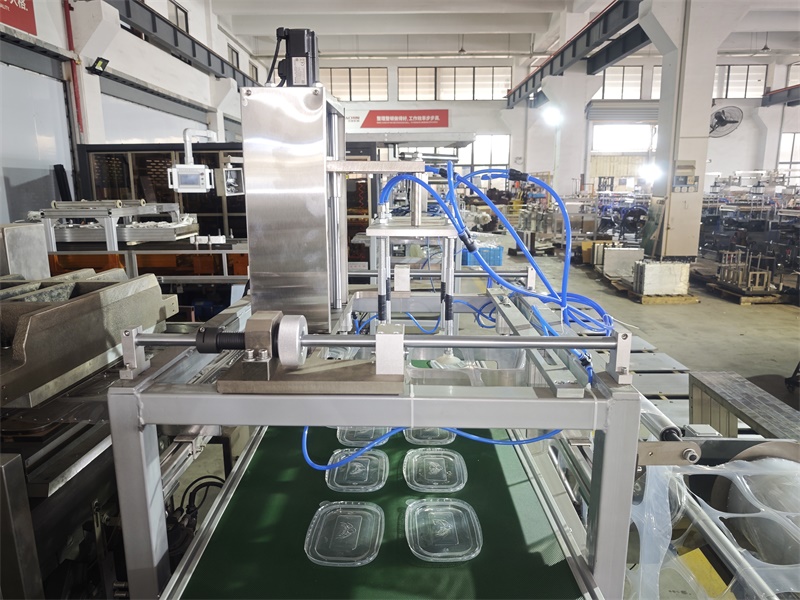
Preventive Mold Maintenance for Maximum Tooling Lifespan
Daily Cleaning Protocols to Prevent Resin Buildup and Corrosion
Daily cleaning is the most fundamental mold maintenance routine—and the single greatest lever for extending tooling lifespan. During production, volatile compounds from resins and additives condense on mold surfaces, forming a corrosive film. By-products from PVC or brominated flame retardants, for example, aggressively attack unprotected steel, initiating pitting that rapidly degrades surface finish and part quality. A quick wipe-down is insufficient: effective protocols require applying a manufacturer-approved solvent to dissolve residues, followed by wiping with a soft, non-abrasive cloth. Operators must also remove plastic fragments lodged in vent channels or parting lines—these impede gas escape and cause burn marks or flash. Just ten minutes at shift’s end eliminates the primary driver of surface degradation. This modest investment preserves cavity integrity, delays costly repairs, and delivers measurable long-term cost reduction.
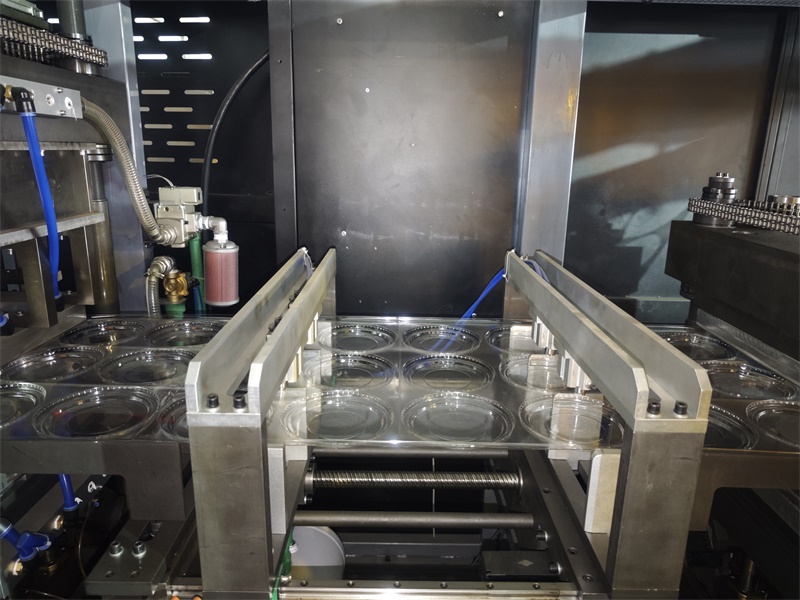
Scheduled Inspection Cycles: Identifying Micro-Cracks and Heat Checking Early
Scheduled inspections convert mold maintenance from reactive expense into strategic cost control. Thermal cycling causes mold steel to expand and contract repeatedly, leading to micro-cracks—a phenomenon known as heat checking. These hairline fissures, often invisible without magnification, deepen with each cycle and eventually demand deep stoning or welding. A disciplined inspection cycle—conducted at fixed shot intervals (e.g., every 50,000 cycles)—uses dye-penetrant testing or low-power microscopy to detect early-stage heat checking and micro-cracks before they exceed 0.1 mm. Catching wear at this stage prevents progressive erosion, flash formation, and loss of dimensional tolerance. Proactive identification not only safeguards tooling lifespan but also avoids unplanned downtime—directly lowering cost per part and delivering strong ROI on minimal labor input.
Lubrication and Vent Cleaning: Mitigating Pressure-Induced Feature Wear
Lubrication and vent cleaning are critical yet frequently under-prioritized elements of preventive maintenance—especially under high-cavity-pressure conditions. Sliding components such as ejector pins, core pulls, and cam actions suffer rapid galling and scuffing when lubrication fails, risking seizure or flash. A thin, high-temperature grease reapplied per manufacturer guidelines maintains smooth motion and protects against frictional wear. Equally vital is vent maintenance: clogged vents restrict air and gas escape during cavity fill, causing pressure spikes that erode parting line edges and thin steel features—a failure mode known as “pressure-induced washout.” Vents should be cleared regularly using soft brass tools, and labyrinth grooves inspected for blockage. Together, these practices reduce maintenance frequency, extend time between major refurbishments, and lower scrap rates and unscheduled repair costs.
Strategic Material Selection and Surface Engineering for Long-Term Cost Reduction
Selecting the optimal mold material is a foundational decision that directly shapes tooling lifespan and per-part economics. The choice must balance thermal conductivity, strength, corrosion resistance, and upfront investment—each with distinct tradeoffs across production volumes and resin types. The following comparison highlights how aluminum, stainless steel, and copper-alloy molds perform in practice.
Aluminum vs. Stainless Steel vs. Copper-Alloy Molds: Lifespan Tradeoffs by Application
| Material | Typical Cycle Life (approx.) | Best Applications | Key Tradeoffs |
|---|---|---|---|
| Aluminum (e.g., 7075) | 50,000–200,000 cycles | Low‑ to medium‑volume production, prototyping, medical devices with short runs | Lower initial cost and faster heat transfer shorten cycle time—but softer surface wears quickly and is vulnerable to galling; unsuitable for abrasive or glass-filled resins. |
| Stainless Steel (e.g., P20, 420) | 500,000–1,000,000+ cycles | High‑volume packaging, automotive parts, consumer goods | Superior hardness and corrosion resistance support long, stable runs; higher material and machining costs, longer lead times, and slower thermal response can increase energy use per part. |
| Copper‑Alloy (e.g., C17200 beryllium‑copper) | 300,000–600,000 cycles | High‑speed molding of abrasive materials, thin‑wall parts requiring rapid cooling | Exceptional thermal conductivity reduces cycle time by up to 40% and improves dimensional stability; higher material cost and strict beryllium safety requirements limit use to performance-critical applications. |
Aluminum excels where total cost over a limited lifetime matters most—such as bridge tooling or R&D environments. Stainless steel remains the default for high-cavitation, abrasive applications where unscheduled downtime would incur far greater losses. Copper alloys become economically justified when cycle-time savings offset their premium—typically in production runs exceeding 250,000 units. The optimal choice hinges on a rigorous cost-per-part analysis over the intended run size—not raw material price alone.
PVD Coatings and Surface Hardening: Quantifiable ROI in Cycle Life Extension
Physical vapor deposition (PVD) coatings—including titanium nitride (TiN), chromium nitride (CrN), and diamond-like carbon (DLC)—deliver substantial, quantifiable gains in mold longevity and maintenance efficiency. A 2023 field study by a leading surface engineering firm found CrN-coated aluminum injection molds achieved a 320% increase in cycle life, reducing total amortized tooling cost by 45%. In a high-volume caps-and-closures operation, PVD-coated stainless steel molds cut unscheduled polishing stops by 60%, saving an estimated $18,000 per mold annually in labor and lost production. Surface hardening techniques like nitriding or ferritic nitrocarburizing further enhance substrate durability—enabling molds to withstand abrasive fillers without the full cost of stainless steel. With coating costs typically representing just 5–15% of the mold’s total price, the investment is usually recovered within the first 100,000 cycles through lower scrap, fewer interventions, and extended service intervals. When modeled across the full lifecycle, PVD treatments consistently deliver positive ROI for molds running over 50,000 parts.
Precision Refurbishment and Data-Driven Replacement Decisions
When to Repair vs. Replace: Threshold Analysis Using Cost-per-Part Metrics
Deciding whether to refurbish or replace a mold requires objective, data-driven analysis—not intuition. Track cumulative repair expenses—labor, materials, and downtime—against total parts produced. As micro-cracks and heat checking progress, per-part repair costs rise while new tooling offers predictable, stable unit economics. A practical threshold: if cumulative repairs exceed 60% of the replacement cost and the per-part repair trend is upward, replacement is typically the smarter long-term investment. For instance, a mold producing 100,000 units with repair costs climbing from $0.05 to $0.12 per part—versus a new mold’s flat $0.10 per-part cost—clearly signals diminishing returns on continued repair. Integrating historical data from a Computerized Maintenance Management System (CMMS) sharpens these decisions, revealing failure patterns and enabling predictive planning. Applying this metrics-based framework optimizes maintenance spend, extends effective tooling lifespan, and maximizes return on capital invested in tooling.
Frequently Asked Questions (FAQ)
How often should molds be cleaned?
Molds should be cleaned daily at the end of each shift to prevent resin buildup and corrosion. This routine maintenance helps extend the tooling lifespan and improve production quality.
What is heat checking?
Heat checking refers to micro-cracks in the mold caused by repeated thermal cycling, which can deepen over time and lead to significant damage if not addressed early.
How can lubrication prevent wear and tear?
Lubrication prevents galling and scuffing on sliding components, reducing the risk of seizure and flash. High-temperature grease should be applied as per manufacturer guidelines to maintain smooth operation.
What factors should I consider when choosing mold materials?
The choice of mold material depends on factors like thermal conductivity, strength, corrosion resistance, and investment costs. A cost-per-part analysis over the intended run size is crucial for optimal material selection.
Do PVD coatings offer good ROI?
Yes, PVD coatings like CrN and DLC improve mold longevity and reduce maintenance costs. They have shown to increase cycle life by up to 320%, with ROI often realized within the first 100,000 cycles.