
 EN
EN
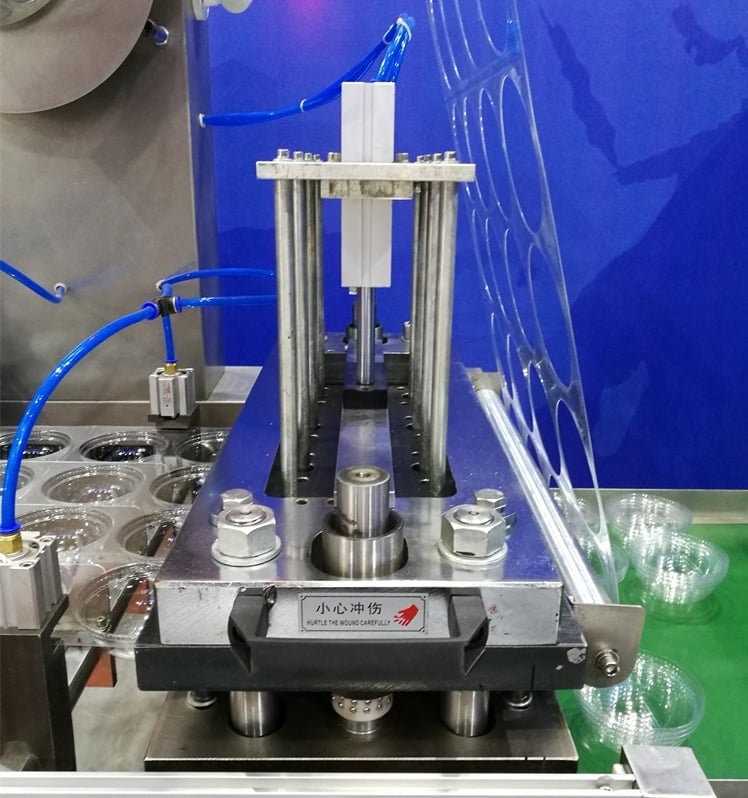
When it comes to making plastic lids, companies often have a choice between two methods: using a plastic lid making machine or injection molding. Both methods have their own benefits and drawbacks. It's important to know which is best for your needs. Jiacheng Machinery offers solutions for both, making it easier for businesses to decide based on their production goals. Understanding the key differences and features of each method can help you make a smart decision.
What You Need to Know Before Buying
Before deciding which machine to buy, think about how many lids you need to produce. If you need a lot of lids quickly, a plastic lid making machine might be the way to go. This machine can produce many lids in a short time, making it great for big orders. But, if you're making smaller batches or special lids, injection molding could be better. It allows for more detailed designs and can handle different shapes easily. You should also consider the cost. Plastic cup lid thermoforming machine can be cheaper in the long run if you produce a high volume, while injection molding machines might have higher upfront costs due to their complexity. Always check the materials you want to use. Some machines work better with specific types of plastic, which can affect the quality of your lids. Maintenance is another factor. Plastic lid making machines usually require less upkeep than injection molding machines, which can be more complicated. Think about your space too; some machines are large and need a lot of room. Finally, consider your budget. Jiacheng Machinery has options that fit different budgets, so you can find something that works for you.
How to Choose Between Plastic Lid Making Machines and Injection Molding
Choosing between a plastic lid making machine and injection molding can be tough. Start by thinking about what you need. If you want to produce many lids quickly and don't need fancy designs, a plastic lid making machine could be perfect. These machines are often faster and easier to operate. They can handle big runs without much fuss. However, if you need lids with unique shapes or specific designs, injection molding is likely the better choice. This method allows for more creativity and detail in the design. Think about the type of lids you are making. Are they simple or complex? Simple lids can be made easily with a plastic lid making machine. For more complex lids, injection molding is better. Also, think about how much space you have. Plastic lid making machines are often smaller, while injection molding machines can take up a lot of room. Finally, consider support and service. Jiacheng Machinery provides great customer support, which can help you when you need it. Always ask questions and get advice from experts. Making the right choice will help your business grow and succeed.
A Comprehensive Comparison
When it comes to making plastic lids, two popular methods are often talked about: using a plastic lid making machine and injection molding. Jiacheng Machinery offers both options, but each method has its own strengths and weaknesses. A plastic lid making machine is designed specifically for creating lids. It works by heating plastic sheets and then forming them into lids of various shapes and sizes. This process can be fast and efficient, especially when making many lids at once. On the other hand, injection molding uses a different technique. In this method, melted plastic is injected into a mold. The plastic cools and hardens in the shape of the mold, creating a customized plastic lid thermoforming machine. Injection molding can create very intricate designs and is great for making large quantities of items quickly. While both methods are effective, they cater to different needs. For example, if you need a simple lid quickly, a plastic lid making machine might be the best choice. However, if you want a lid with a complex design, injection molding could be the way to go. Understanding these differences can help you choose the best method for your needs.
What Are the Common Usage Issues with Plastic Lid Making Machines?
Even though plastic lid making machines are useful, they can have some common issues that users should know about. One big problem is that if the plastic sheets are not heated evenly, it can lead to lids that are not formed correctly. This can make the lids look strange or cause them to not fit well onto containers. Another issue is that some machines may not be able to handle thicker plastic materials. This can limit the types of lids that can be made. Additionally, if the machine is not cleaned regularly, leftover plastic can build up and cause problems. This can slow down production and may even damage the machine. It's also important to remember that these machines need regular maintenance. If they are not taken care of, they may break down or work less efficiently. Users should always read the manual and follow the instructions to keep the machine running smoothly. Jiacheng Machinery provides great support and guidance to help users avoid these problems and keep their machines in top shape.
How Does Injection Molding Compare to Plastic Lid Making in Cost?
When comparing the costs of injection molding and using a OEM machinery, it's essential to consider several factors. Injection molding can be more expensive upfront because it requires molds that can cost a lot of money to create. However, once the molds are made, the cost per lid can be lower if you are making a large number of them. This makes injection molding a good choice for big projects where many lids are needed. On the other hand, a plastic lid making machine might have a lower initial cost, making it easier to start using right away. However, if you need to make many lids, the cost per lid can add up quickly. Jiacheng Machinery offers machines that strike a balance between quality and cost. By understanding these costs, businesses can make better decisions about which method to use. both methods have their place in the industry. Choosing between them depends on the specific needs of the project, including budget, design complexity, and production volume.