
 EN
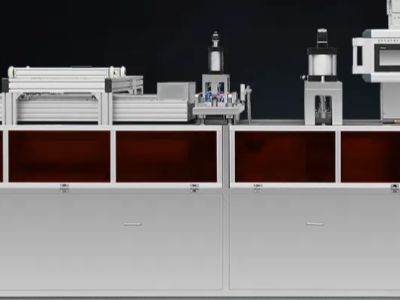
Automatic thermoforming machines or Plastic Thermoforming Machines are critical tools for the food packaging industry, playing a central role in forming, filling, and sealing plastic containers and trays to maintain food freshness. Machinery manufacturers, such as Rui'an Jiacheng Machinery Factory (often known as Jiacheng Machinery), design these fully automated solutions to replace manual plastic-shaping processes. By streamlining production, these systems reduce processing time, minimize manual handling errors, and help food companies keep pace with high daily demands
What Are the Benefits of Automatic Thermoforming Machines for Food Packaging
These automated systems provide significant advantages by reducing labor costs and improving consistency across massive production volumes. High-speed thermoforming Packing machine can construct thousands of individual food trays or lids in just a few hours, allowing facilities to process and ship products rapidly to preserve freshness. Additionally, the integrated cutting systems optimize material usage to generate minimal plastic waste, translating directly to reduced overhead and a smaller environmental footprint. Because each formed compartment is identical in dimension, downstream stacking, secondary carton packaging, and pallet shipping become highly organized and predictable. Automated operations also limit human contact with raw packaging materials, significantly decreasing the risk of microbiological contamination and helping facilities maintain strict sanitary standards
Where to Find Wholesale Automatic Thermoforming Machines for Food Packaging
Sourcing commercial-grade thermoforming equipment requires identifying experienced international manufacturers that specialize in sheet heating and plastic-forming technologies. Industrial buyers often look to specialized Chinese manufacturing hubs, where companies like Wenzhou Jiacheng Machinery offer robust catalog listings of automatic cup lid thermoforming and blister packaging equipment on major global B2B sourcing websites. To make an informed capital investment, prospective buyers can evaluate detailed engineering specifications, read verified business-to-business reviews, and request initial equipment runs using specific film types like PP, PET, PS, or biodegradable plastics. Attending major international packaging exhibitions and trade fairs is another highly effective method to observe active machine demonstrations, inspect the rigidity of the steel frame, and establish direct communication channels for post-purchase support and custom mold development
How Do Automatic Thermoforming Machines Enhance Food Packaging Efficiency
The primary driver of efficiency in a modern thermoforming system is the continuous, synchronized integration of the heating, forming, cutting, and stacking stages. The process begins by feeding a continuous roll of plastic film through heating elements until the material reaches its optimal forming temperature. Air pressure, vacuum force, or mechanical plugs then shape the softened plastic into precise molds to yield ready-to-fill pockets or trays. Modern machinery leverages programmable logic controllers (PLCs) to adjust cycle times, heating parameters, and pressure levels instantaneously, which prevents common issues like uneven wall distribution or thinning in deep-draw packages. This rapid, automated cycle maximizes throughput while ensuring that food containers are sealed tightly with high-barrier films to exclude oxygen and bacteria, thereby extending shelf life
What Innovations Are Driving the Future of Automatic Thermoforming in Food Packaging
The advancement of industrial automation is heavily shaped by smart diagnostic technologies, robotics, and the integration of sustainable materials. Modern thermoforming machines are increasingly outfitted with predictive maintenance sensors that detect anomalies in heater temperatures or pneumatic pressures, allowing operators to address minor issues before they cause costly line stoppages. Concurrently, manufacturers are adapting their machine designs and heating controls to accommodate eco-friendly, bio-based plastics like polylactic acid (PLA), which require different thermal profiles compared to standard petroleum-based polymers. Automated robotic arms are also being integrated directly into the discharge end of the thermoforming line to handle tray denesting, product loading, and top-web sealing, which reduces cycle times and ensures rapid, continuous output
How to Ensure Quality and Compliance with Automatic Thermoforming Food Packaging Solutions
Maintaining regulatory compliance and strict quality control requires food manufacturers to utilize food-contact-safe polymers and enforce rigorous equipment maintenance routines. All plastic sheets running through the thermoforming machine and Slipper Making Machine must be certified free of harmful chemical migrants, ensuring they do not compromise the taste, odor, or safety of the packed food. Operators must establish a structured preventative maintenance schedule focusing on regular mold cleaning, knife sharpening, and calibration of the heating zones to prevent incomplete seals or structural defects. Providing comprehensive hands-on training to the machine operators ensures they can accurately interpret PLC readouts, perform rapid changeovers between different mold sizes, and quickly identify any deviation in product quality during a production run.
Table of Contents
- What Are the Benefits of Automatic Thermoforming Machines for Food Packaging
- Where to Find Wholesale Automatic Thermoforming Machines for Food Packaging
- How Do Automatic Thermoforming Machines Enhance Food Packaging Efficiency
- What Innovations Are Driving the Future of Automatic Thermoforming in Food Packaging
- How to Ensure Quality and Compliance with Automatic Thermoforming Food Packaging Solutions