
 EN
EN
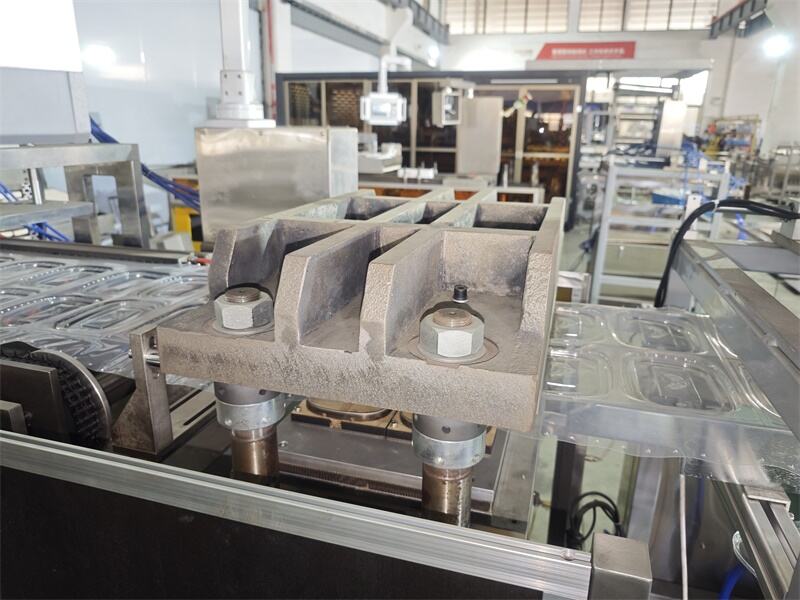
Kufupisha Kwa Akili na Uwekaji Sawa wa Vitu kwa Majani ya Thermoforming
Kufupisha kwa kutumia CAD ili kupanua ufanisi wa majani na kupunguza mabaki ya kuvunja kipande cha nje
Programu za CAD za kisasa zinatumia mirafu ya jiometria kuweka sehemu kama vipande vya puzzle juu ya majani ya thermoforming—hivyo kukuza ufanisi wa matumizi ya vitu kwa 10–25% katika mazao ya kawaida. Mirafu muhimu ni:
- Uvunaji wa mstari wa pamoja , ambapo sehemu zinazojirudia zinashiriki mistari ya uvunaji ili kupunguza mabaki ya uvunaji
- Kufupisha kinachotambua mabaki ya uvunaji , ambayo inajumuisha upana wa nuru ya laser au kisu wakati wa mpangilio
- U управление wa kiotomatiki wa vipande vilivyobaki , kutumia tena sehemu za kioo vilivyobaki kwa ajili ya vipande vidogo zaidi
Mbinu hii huapishia moja kwa moja gharama za materiali kwa kila kitu—hasa muhimu unapoprosesa mikutano ya polimea ya juu.
Mpangilio wa mwelekeo wa sehemu, kugangana kwa pamoja (gang nesting), na mpangilio unaotambua kina la kuvutia ili kupunguza uchafuzi wa sehemu zinazopanda nje
Mpangilio wa kisiasa wa sehemu huondoa kuendelea kusitishwa kwa usawa na kupungua kwa upande wa kinga wakati wa kufanya umbo. Mbinu bora zinajumuisha kuzungusha vipande ili kufanana na pembe za kuvuta zinazolingana, kugawanya vigezo vya umbo vinavyofanana (gang nesting), na kupanga vipande vya kuvutia kina mbali na upande wa kioo. Mabadiliko haya hupunguza kuchukua kwa wingi, hupunguza kazi ya kurekebisha kumbukumbu, na huhifadhi utambaratuzi wa kioo—kwa kuhakikisha pia kwamba yanafanana na viendelezi vya kawaida mashine za Kufomu Plastiki kwa Joto .
Uchaguzi wa Materiali na Ulinganisho wa Uwezekano wa Kufanya Umbo ili Kuzuia Uchafuzi Unaosababishwa Na Mchakato
Kuchagua plastiki zenye uenezi wa sawa na zinazofaa kwa kufanya umbo kwa joto, zinazofanana na mashine yako ya kufanya umbo kwa joto
Ukubwa wa kuvimba kwa usawa na utendaji uliothibitishwa wa kuvimba kwa joto ni msingi wa kupunguza ukubwa wa kuvimba, ukubwa wa kuvimba chini, na kiwango cha kushindwa. Vipande visivyofanana au visivyofaa kwa kuvimba kwa joto vinachangia hadi asilimia 40 ya mapara ya mchakato. Fokuseni polime zinazopita asilimia 200 ya urefu na viwango vya mtiririko wa uku (MFI) vinavyofanana na eneo la joto la pasi yako na uwezo wa nguvu ya kufunga. Kwa matumizi ya kuvimba kwa kina, polipropilini iliyobadilishwa kwa athari (PP) au asilini butadieni stireni (ABS) inalinda dhidi ya kuvimba kwa mafuriko. Daima fanya utambuzi wa pendekezo la muuzaji—kukodisha uwezo wa kuvimba kwa joto—na uwezo wa joto na nguvu ya kufunga ya pasi yako. Utamuzi wa sekta uliofanyika mwaka 2023 umethibitisha kupungua kwa asilimia 30 ya mapara baada ya kubadilisha vipande vilivyofaa kwa kuvimba kwa joto.
Utajuzi wa kuvimba kabla ya kufanya na kuboresha kiwango cha kuvimba ili kuepuka vipande vilivyoshindwa na kufanywa upya
Simulasi kwenye darubini ya maabara kwa kutumia vifurushi vya ukubwa mdogo vinategemea mahali pa kushindwa muhimu kabla ya uzalishaji kamili. Kufanya vipimo vya tabia ya vitu kwa kuzingatia joto linahusisha kuweka miongozo ya kujaza kwa usahihi—kupunguza majaribio ya kwanza kwa asilimia 60. Ukingo wa kuchukua (eneo la uso lililofanyika ÷ eneo la kipande cha awali) ni kipengele muhimu cha kuzuia: kuzidisha zaidi ya 1.5:1 mara nyingi huchukua uvunjaji katika polimea za nguvu. Urambazaji wa uchafuzi kupitia uchambuzi wa grid unavyoonyesha usambazaji wa mashakani, unayotunza uboreshaji wa umbo la vifurushi. Vifaa vya kufuatilia u thicknesi kwa wakati halisi vinaweza kubadilisha mitambo ya kufanya kazi katika kitengo cha kawaida, kuzuia kuvunjika kwa vifurushi vya kwanza. Vyuo vilivyobadilisha ukingo wa kuchukua viliripoti uhifadhi wa $740,000 kwa mwaka kwa sababu ya kufanya upya kazi na vifurushi vilivyovunjika (Taasisi ya Ponemon, 2023).
Kuboresha Vyombo vya Uzito na Udhibiti wa Joto kwenye Mifumo ya Kufanya Plastiki kwa Kutumia Joto
Miongozo ya kujaza kwa usawa na udhibiti wa joto kwa kila eneo kwa ajili ya mgandamizo wa vitu kwa usawa
Ugawaji wa joto unaofaa na usawa hupunguza eneo la baridi ambalo lina sababu ya kujifunika kwa namna isiyofaa, kuwa chafu au kuvunjika. Vifaa vya kujifunika vya plastiki vya kisasa vina vituo vya infrared vya kuchambua joto la waraka kwa wakati wa kweli, ikiruhusu ubadilisho wa majoto ya eneo maalum kwa kipimo cha ±2°C. Kiwango hiki cha udhibiti hupunguza makosa ya kuzunguka kwa asilimia 30 na uchafuzi wa kuchukua kwa asilimia 22, kulingana na Kijournal cha Uwasilishaji wa Polymers (2023).
Uundaji wa kioo, uhitaji wa usahihi wa CNC, na uwekaji wa nguvu ya kufunga ili kupunguza uchafuzi na mahitaji ya kuchukua baada ya kujifunika
Mifupa ya kioo iliyotengenezwa kwa CNC yenye kipimo cha kutoa chini ya 0.1mm hupunguza kwa kiasi kikubwa uchafuzi katika mistari ya kugawanyika. Pamoja na mfumo wa kufunga kinachobadilisha shinikizo kulingana na u thickness wa materiali na hatua ya mzunguko—strategia hii ya kipeo hupunguza uchafuzi unaosababishwa na kuvunjika kwa asilimia 40 na kuchukua kazi ya kushamiri chini ya mizani kwa asilimia 15%. Mabwana ya kifaa pia yanafanya muda wa mzunguko ufupi bila kuharibu usahihi wa vipimo.
Kuchukua kwa kutumia data, ukaguzi, na kupunguza uchafuzi kwa muda mrefu
Mifumo ya kufuatilia kwa muda wa kweli kwenye mashine za kufanya plastic thermoforming hutambua mabadiliko—kama vile ubadilishaji wa joto au ukatili wa vitu—wakati wana tokea, ikiruhusu usawa wa mara moja kabla ya uvurugu ujazo. Kwa kuchambua data za uzalishaji uliopita, wazalishaji hupata sababu za msingi za mafailizo yanayorekodiwa mara kwa mara: uvurugu wa vifaa, viwango vya kuvutia visivyo bora, au uvurugu wa joto. Programu za usimamizi wa mapambano zinaweza kushiriki mapema, kuzuia makosa kabla ya kutokea. Utaratibu unaonyesha kwamba strategia hizi zenye data zinapunguza uvurugu wa vitu kwa asilimia 10–20 kila mwaka (Taasisi ya Ponemon, 2023). Miradi ya kuchukua kwa otomatiki inalinda makosa ya kuchukua sana, wakati vizuri vya kusambaza kwenye mawingu vinajumuisha vipimo vya uvurugu kote kwenye mistari—kubadilisha ushauri wa kurejea kuwa mkakati wa uboreshaji unaofanyika kila wakati.
Uko tayari kupunguza uvurugu wa thermoforming na kupanua ufanisi wa uzalishaji wako?
Mchakato uliopimwa kwa ufanisi wa kufanya kuvuruga plastiki kwa joto ni msingi wa uzalishaji unaofanana na faida—hakuna kiasi chochote cha kufanya kazi tena baada ya mchakato unaweza kusaidia kubadilisha matumizi ya vitu vyenye ufanisi au utendaji mdogo wa vifaa. Kwa kutumia strategia za kufanya kuvuruga kwa joto kwa njia ya kina, taratibu bora za kuchagua vitu, na kuboresha vifaa kwa usahihi kama vilivyoelezwa hapo juu, unaweza kufikia uvuruga wa vitu kwa ufanisi mkubwa, kupunguza gharama za uzalishaji, na kuboresha ubora wa bidhaa.
Kwa vifaa vya kuvuruga plastiki kwa joto ya daraja la viwanda yanayotarajwa kwa mahitaji yako maalum ya uzalishaji, au kujipatia msaada wa wataalamu kuhusu kuboresha mchakato wako wa kuvuruga plastiki kwa joto, shirikiana na mtengenezaji anayejua vizuri sekta ya kimataifa. Jiacheng Machinery ina zaidi ya miaka 20 ya uzoefu katika kubuni na kutengeneza vifaa vya kuvuruga plastiki kwa joto vya utendaji wa juu kwa watajiri wa orodha ya awali (OEMs) na watajiri wa kufanya kazi kwa ajili ya wengine (contract manufacturers) duniani kote. Wasiliana nasi leo kwa tathmini ya mchakato bila kujitenga na kutolewa kwa bei ya suluhisho maalum ili kuboresha shughuli zako za kuvuruga plastiki kwa joto.
Maswali Yanayoulizwa Mara kwa Mara
CAD-driven nesting katika kufanya kipimo cha joto ni nini?
CAD-driven nesting hutumia mifumbo ya jiometri kupanua matumizi ya vitu kwa kuboresha mpangilio wa sehemu kwenye vifurushi, kupunguza uchafu na gharama za kupasua.
Plastiki za aina ya kufanya kipimo cha joto ni nini, na kwa nini ni muhimu?
Plastiki za aina ya kufanya kipimo cha joto zimeundwa kwa maudhui ya utendaji bora wakati wa kufanya kipimo cha joto. Zinahakikisha upana wa sawa, kupunguza ukatili wa kuzunguka, na kupunguza asilimia ya vitu vilivyoharibiwa.
Jinsi gani ya kujaza kwa eneo maalum inaboresha usahihi wa kufanya kipimo cha joto?
Kujaza kwa eneo maalum hukuhakikisha mtiririko wa sawa wa vitu kwa kufuta eneo la baridi, kupunguza makosa kama vile upana mdogo, kuvunjika, na ukatili wa kuzunguka wakati wa kufanya kipimo.
Kwa nini uboreshaji wa uwiano wa kuchukua ni muhimu sana katika kufanya kipimo cha joto?
Uboreshaji unasaidia kuzuia uvunjika wa vitu na uchafu kwa kusimama ndani ya mipaka ya kufanya kipimo cha vitu, kuhakikisha matokeo ya bidhaa ya ubora wa juu na ya kudumu.
Watu wanaofanya bidhaa wanaweza kufuatilia na kupunguza uchafu vipi kwa ufanisi?
Wafanyaji wa viwanda watumia mifumo ya kufuatilia kwa wakati wa kweli, uchambuzi wa data za zamani, na miradi ya usimamizi wa mapambano ili kupatikana na makosa mapema na kupunguza uvilivu hadi 20% kwa mwaka.
Orodha ya Maudhui
- Kufupisha Kwa Akili na Uwekaji Sawa wa Vitu kwa Majani ya Thermoforming
- Uchaguzi wa Materiali na Ulinganisho wa Uwezekano wa Kufanya Umbo ili Kuzuia Uchafuzi Unaosababishwa Na Mchakato
- Kuboresha Vyombo vya Uzito na Udhibiti wa Joto kwenye Mifumo ya Kufanya Plastiki kwa Kutumia Joto
- Kuchukua kwa kutumia data, ukaguzi, na kupunguza uchafuzi kwa muda mrefu
- Uko tayari kupunguza uvurugu wa thermoforming na kupanua ufanisi wa uzalishaji wako?
-
Maswali Yanayoulizwa Mara kwa Mara
- CAD-driven nesting katika kufanya kipimo cha joto ni nini?
- Plastiki za aina ya kufanya kipimo cha joto ni nini, na kwa nini ni muhimu?
- Jinsi gani ya kujaza kwa eneo maalum inaboresha usahihi wa kufanya kipimo cha joto?
- Kwa nini uboreshaji wa uwiano wa kuchukua ni muhimu sana katika kufanya kipimo cha joto?
- Watu wanaofanya bidhaa wanaweza kufuatilia na kupunguza uchafu vipi kwa ufanisi?