
 EN
EN
In the manufacturing and distribution of disposable heating products, environmental factors play a decisive role in product integrity. Among these, moisture is the most critical variable, as it directly triggers the exothermic reaction within warm pads. For manufacturers and quality control experts, effective Humidity Control is not merely a comfort requirement but a fundamental necessity for ensuring product safety and performance. From the moment raw materials enter the facility to the final delivery at the consumer’s door, every stage of the Production Environment and subsequent Storage must be meticulously managed. Failure to maintain optimal moisture levels can lead to premature activation, inconsistent heating, or complete product failure. This article explores the multifaceted impact of humidity on warm pad production and storage, offering strategic insights for maintaining quality through rigorous environmental management and robust packaging solutions.
Understanding the Sensitivity of Raw Materials to Moisture
The core components of a warm pad—iron powder, activated carbon, vermiculite, and salt—are highly hygroscopic. Iron powder, the primary heat source, begins to oxidize upon contact with water vapor. If raw materials are exposed to high humidity before processing, they may start reacting prematurely, leading to a loss of potency. Activated carbon, which facilitates oxygen diffusion, can also become saturated with moisture, reducing its effectiveness in catalyzing the reaction. Therefore, strict Humidity Control during the handling and mixing of these ingredients is essential.
In the Production Environment, even minor fluctuations in relative humidity can cause iron powder to clump, affecting its flowability and distribution uniformity. This can result in uneven heating patterns in the final product. To mitigate these risks, manufacturers must store raw materials in sealed, climate-controlled areas. Regular monitoring of moisture content in incoming batches is crucial. By establishing stringent protocols for material handling, companies can ensure that the chemical potential of the ingredients remains intact until the precise moment of activation by the end-user.
Managing the Production Environment for Consistent Quality
The manufacturing floor presents unique challenges regarding Humidity Control. High humidity levels can interfere with the filling process, causing powder to adhere to machinery or form bridges in hoppers. This leads to inconsistent fill weights and potential blockages, disrupting production efficiency. Moreover, excessive moisture in the air can compromise the sealing process. If the breathable membrane or the outer packaging absorbs moisture, the heat seal may not form correctly, resulting in weak seals that are prone to leakage or air ingress.
Maintaining a stable Production Environment requires more than just dehumidifiers; it involves a holistic approach to airflow, temperature, and personnel movement. Automated systems play a vital role here. By minimizing human intervention and reducing the exposure time of materials to ambient air, manufacturers can significantly lower the risk of moisture absorption. A controlled environment ensures that each unit produced meets the same high standards, regardless of external weather conditions. This consistency is key to building brand trust and reducing waste due to defective products.
The Role of Packaging in Protecting Against Humidity
Once the warm pad is assembled, its protection against moisture relies entirely on its packaging. The outer pouch must be impermeable to water vapor while allowing controlled oxygen permeability for activation. Any defect in the packaging structure, such as micro-pores or weak seals, can allow humid air to penetrate, leading to premature activation during Storage. This is why the structural integrity of the packaging components, such as plastic trays or backing layers, is critical.
High-quality thermoformed components provide a rigid and uniform base for the warm pad, ensuring that the sealing jaws apply even pressure across the entire surface. This uniformity is essential for creating a hermetic seal that effectively blocks moisture. Furthermore, the choice of packaging material influences its barrier properties. Materials like PP, PET, and PS offer different levels of moisture resistance and structural rigidity. Selecting the right material and ensuring its precise formation through advanced manufacturing equipment is a key strategy in enhancing the product’s resilience against humidity.
Optimizing Storage Conditions for Long-Term Stability
Even with perfect production practices, improper Storage can undo all efforts. Warm pads are sensitive to both temperature and humidity during warehousing and transit. High humidity environments, such as those found in coastal regions or during maritime shipping, pose significant risks. Condensation can form on packaging surfaces, potentially compromising seals or leading to mold growth on cardboard boxes. Therefore, implementing strict Humidity Controlmeasures in warehouses is non-negotiable.
Ideally, finished goods should be stored in cool, dry places with relative humidity kept below 60%. Pallets should be wrapped in shrink film to provide an additional layer of protection against ambient moisture. Additionally, proper stacking methods prevent deformation of packaging, which could otherwise create gaps for air entry. For exporters, understanding the climatic conditions of the destination market is crucial. Using desiccants in shipping containers and monitoring humidity levels during transit can further safeguard product quality. A well-managed Storage system ensures that the product remains inert and ready for use until the moment the consumer opens the package.
Enhancing Resilience with Advanced Thermoforming Technology
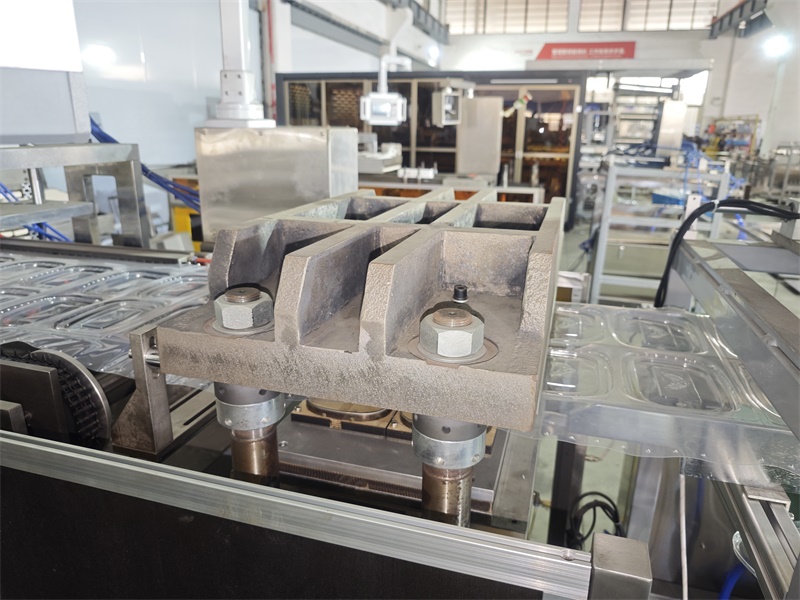
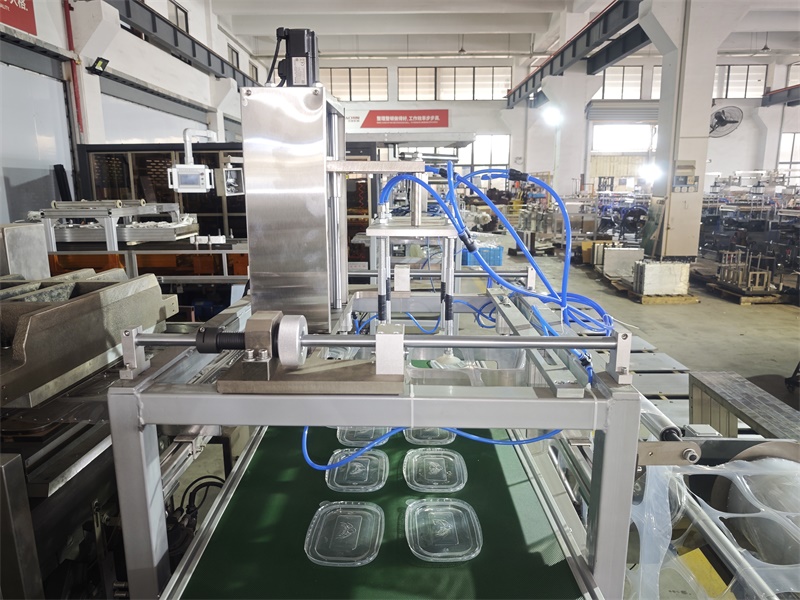
To support comprehensive Humidity Control and stable Storage, manufacturers need packaging components that are produced with exceptional precision and consistency. Wenzhou Jiacheng Machinery Co., Ltd. offers advanced thermoforming solutions that contribute significantly to this goal. Our JCPP-520 Automatic PP Products Thermoforming Machine is designed to produce high-quality plastic trays, shells, and components that enhance the overall protective capability of the warm pad packaging.
First, the JCPP-520 features multi-station automatic production, which minimizes human handling and reduces the exposure of materials to the Production Environment. This automation ensures that every tray or component is formed with uniform wall thickness and dimensional accuracy. Such consistency is vital for achieving perfect seals that block moisture effectively, thereby supporting long-term Storage stability.
Second, the machine offers compatibility with various materials, including PP, PET, and PS. This flexibility allows manufacturers to select the most suitable material for their specific Humidity Control needs. For instance, certain grades of PP offer superior moisture barrier properties, while PET provides excellent clarity and rigidity. By enabling rapid testing and optimization of different packaging structures, the JCPP-520 helps companies find the best balance between cost, performance, and protection.
Third, the flexible mold changeover capability of the JCPP-520 supports the production of multiple specifications of warm pad packaging. This versatility is particularly useful for companies managing diverse product lines or adapting to different Storage and logistics requirements. Whether producing compact hand warmers or larger body patches, the machine ensures consistent quality across all SKUs, reducing the risk of packaging-related failures in humid conditions.
Case Study: Improving Storage Stability in Southeast Asia
A practical example of the importance of integrated Humidity Control and packaging quality occurred in August 2023 at a manufacturing plant in Ho Chi Minh City, Vietnam. A major exporter of warm pads was experiencing a high rate of customer complaints regarding premature activation and reduced heating duration. Investigation revealed that the issue was exacerbated by the region’s high humidity levels during the monsoon season, which affected both the Production Environment and Storage conditions.
The company upgraded its packaging line with the JCPP-520 from Wenzhou Jiacheng Machinery. The new machine produced plastic trays with superior dimensional consistency, allowing for tighter and more reliable seals. Additionally, the ability to switch to a thicker, more moisture-resistant PP grade helped improve the barrier properties of the packaging. Combined with improved warehouse dehumidification protocols, these changes reduced the rate of premature activation by 95%. The case demonstrates how combining precise manufacturing technology with effective Humidity Control strategies can solve complex quality issues in challenging climates.
Conclusion and Certification Standards
In conclusion, managing the impact of humidity is critical for the success of warm pad products. From Humidity Control in the Production Environment to careful management of Storage conditions, every step requires attention to detail. By investing in high-precision thermoforming equipment like the JCPP-520, manufacturers can produce packaging components that offer superior protection against moisture, ensuring product reliability and customer satisfaction.
To demonstrate compliance with international quality and safety standards, manufacturers should ensure their equipment and processes hold relevant certifications. ISO 9001 certification validates the consistency of quality management systems, including environmental controls. CE marking indicates that the machinery meets European safety and health requirements, facilitating global trade. Additionally, adherence to RoHS directives ensures that materials used in production are environmentally friendly. By combining rigorous Humidity Control practices with certified, high-quality production technology, manufacturers can deliver safe, effective, and durable warm pads to markets worldwide.