
 EN
EN
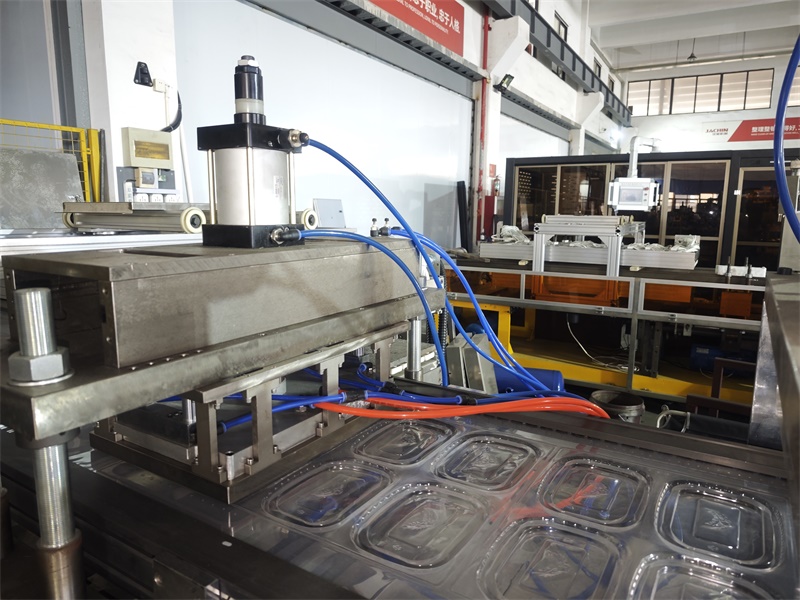
Ხაზის გასწყრელი დაბეჭდვის ინტეგრაცია Თერმოფორმირების წარმოების ხაზებში მწარმოებლის პერსპექტივით შემდეგი თაობის საყურადღებო პაკეტებზე
Როგორც პლასტმასის თერმოფორმირების მანქანების წარმოებლის, რომელსაც მექანიკური კვლევისა და განვითარების, წარმოების და მარკეტინგის 20 წლიანი გამოცდილება აქვს, ჩვენ ვეძლევით შეფუთვის ინდუსტრიის ღრმა ტრანსფორმაციას. ორი ათეული წლის წინ ძირითადი მოთხოვნა უბრალოდ უფრო სწრაფი ციკლის ხანგრძლივობა და მუდმივი კედლის სისქე იყო. ამჟამად, მარკეტინგის ლანდშაფტი მკვეთრად შეიცვალა ინდივიდუალიზაციის, მდგრადობის და მომარაგების ჯაჭვის მოქნილობის მიმართ. ჩვენი მომხმარებლების წინაშე ყველაზე მნიშვნელოვანი გამოწვევა აღარ არის მხოლოდ ფორმირების სიჩქარე; ეს არის დეკორაციის უშუალო ინტეგრაცია წარმოების პროცესში. ამ ადგილას Სტრიქონში ბეჭდვა გამოირჩევა როგორც კრიტიკული ტექნოლოგიური განვითარება, რომელიც ძირეულად ცვლის თანამედროვე თერმოფორმირების ხაზების მუშაობის წესს.
Წლების განმავლობაში ინდუსტრია ყოფილა დამოკიდებული განსხვავებულ ორსაფეხურიან პროცესზე: ჯერ თერმოფორმირება, შემდეგ ბეჭდვის საშუალებას მოწოდების სახელოსნოში ან ხაზზე გადატანა. ეს ტრადიციული მეთოდი გამოიწვია რამდენიმე არაეფექტურობა, მათ შორის მეორადი მომუშავეობის რისკები, გაზრდილი საწარმოს ფართობის მოთხოვნები, გაგრძელებული წარმოების ვადები და მაღალი სამუშაო ძალის ხარჯები. უფრო მნიშვნელოვანია ის, რომ ეს მეთოდი შექმნა ბოტლნეკს, რომელიც შეამცირა რეაგირების სიჩქარე ბაზრის ტენდენციებზე. ჩვენი გაფართოებული კვლევითი და განვითარების სამუშაოების შედეგად ამ პრობლემების გამოვლენის შემდეგ, ჩვენ შევიმუშავეთ ინტეგრირებული ამონახსნი, რომელიც სპეციალურად შეიმუშავდა ტრადიციული თერმოფორმირების მანქანების მიერ გამოწვეული წარმოების პრობლემების გადასაჭრელად. ჩვენი მიდგომა მაღალი სიზუსტის ბეჭდვის შესაძლებლობებს ჩასახავს თერმოფორმირების ციკლში პირდაპირ, რაც ქმნის ერთიან და უწყვეტ საწარმოს ნაკადაგის საწყისი პლასტმასის ფურცელიდან დამთავრებულ და ბრენდირებულ პროდუქტამდე.
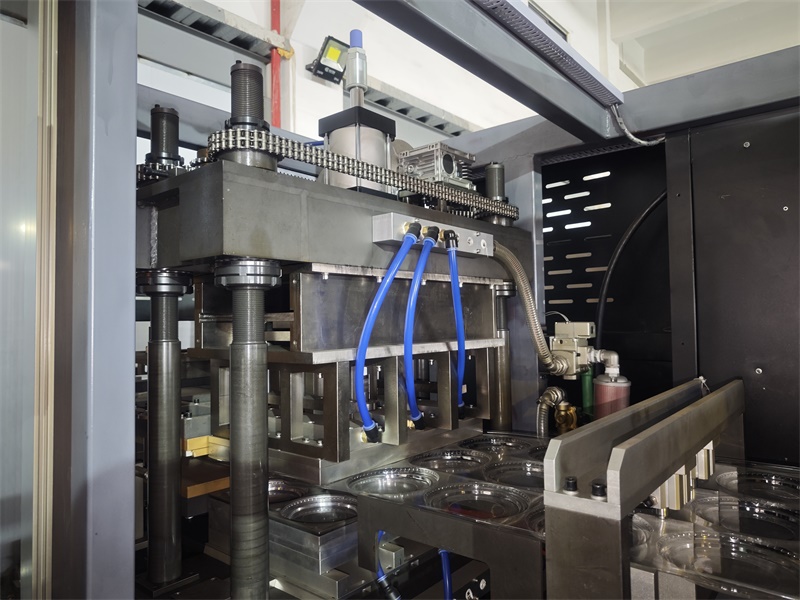
Ინტეგრირებული წარმოების ტექნიკური უპირატესობა
Რა გამოარჩევს ჩვენს ინტეგრირებულ სისტემას სხვა ბაზარზე არსებულ პროდუქტებს შორის, არის მისი მთლიანი ინჟინერიული ფილოსოფია. ბევრი კონკურენტი სთავაზობს რეტროფიტებულ ბეჭდვის მოდულებს, რომლებიც ძირითადად მოწყობილობის არსებულ საყრდენ სტრუქტურაზე მიმაგრებული არის, რაც იწვევს სინქრონიზაციის პრობლემებს, რეგისტრაციის შეცდომებს და მანქანის მთლიანობის დარღვევას. საპირისპიროდ, ჩვენი ამოხსნა სრულიად ახლა შეიმუშავდა ერთი მთლიანი, თანამშრომლობის საფუძველზე დაფუძნებული ერთეულის სახით. ეს ნატივი Წარმოების ინტეგრაცია უზრუნველყოფს იმას, რომ ბეჭდვის და ფორმირების სადგურები ცენტრალიზებული სერვო-მოძრავი კონტროლის სისტემის მეშვეობით რეალურ დროში ურთიერთობას ამყოფებენ. ამ მიდგომის შედეგად მიიღება სრული რეგისტრაციის დაშვებული მინიმალური გადახრა ±0,1 მმ-ის ფარგლებში, მანქანის მაქსიმალური სიჩქარის 35 ციკლზე მეტი წუთში.
Ამდენით მეტად, ჩვენი მოწყობილობა შეიძლება გამოყენებულ იქნას უკიდურესად მრავალფუნქციურად. ჩვენი ინტეგრირებული ხაზი სპეციალიზებული მანქანებისგან განსხვავდება, რომლებიც შეზღუდულია ერთი პროდუქტის კატეგორიით, რადგან ჩვენი ხაზი შეიძლება წარმოებდეს სხვადასხვა ტიპის პროდუქტებს ფორმების შეცვლით, მაღალი ეფექტურობით, სრული სპეციფიკაციებით, მოწინავე კონფიგურაციით და საერთაშორისო მსგავსი პროდუქტების შორის მაღალი პოზიციით. მიუხედავად იმისა, რომ კლიენტს შეიძლება სჭირდებოდეს ზედაპირული საკვების ტაროების, ღრმა გამოხსნის მედიცინური ბლისტერების ან მყარი კოსმეტიკური კონტეინერების წარმოება, ერთი და იგივე პლატფორმა მოერგება ყველა ფორმატს. ფორმების შეცვლა 45 წუთზე ნაკლებ დროში ხდება ჩვენი სწრაფი განხსნის მიმაგრების სისტემების და HMI-ში წინასწარ დაყენებული ციფრული პარამეტრების წყალობით. ეს მრავალფუნქციურობა საკვანძო მნიშვნელობის მონაცემების მიხედვით არის კონტრაქტული პაკეტირების და ბრენდების მფლობელებისთვის, რომლებიც მართავენ სხვადასხვა SKU-ს და ვერ ახდენენ თითოეული პროდუქტის ტიპისთვის მიძღვნილი ხაზების გამართვას.
Საერთოდ განვითარებული კონფიგურაცია მექანიკური დიზაინის ფარგლებს გასცდება. ჩვენი სისტემები მოიცავს UV-გამაგრებად ინქჯეტ ტექნოლოგიას ცვალებადი მონაცემების დაბეჭდვის შესაძლებლობით, რომელიც საშუალებას აძლევს სერიული კოდირების, QR სერიალიზაციის და პერსონალიზებული გრაფიკის შექმნის ხარჯზე ხაზის გაჩერების გარეშე. ინქის გამაგრების სისტემა თერმულად იზოლირებულია ფორმირების ზონისგან, რათა თავიდან აირიდოს სითბოს გადაცემა, რომელიც შეიძლება დაარღვიოს პლასტმასის საბაზისი. ამასთან, ინტეგრირებული ხედვის შემოწმების სისტემები ერთდროულად ამოწმებენ ბეჭდვის ხარისხს და ფორმირების მთლიანობას და ავტომატურად უარყოფენ დაზიანებულ ნაკეთობებს მათ სტეკირების სადგურზე მიღებამდე. ამ ავტომატიზაციის დონე ნაკლებად მოხმარებას 18%-ით ამცირებს ჩვეულებრივი გამოყოფილი პროცესების შედარებით — ეს მაჩვენებელი პირდაპირ აისახება როგორც მოგებაზე, ასევე გარემოს დაცვის მოთხოვნების შესაბამობაზე.
Ბრენდის ამაღლება წარმოების ინოვაციების მეშვეობით
Დღესდღეობით კონკურენტულ სავაჭრო გარემოში პაკეტირება არის ხმაურგარე გამყიდველი. თუმცა, ბევრი წარმოებლისთვის ბეჭდვა ჯერ კიდევა მეორადი ფაქტორია და არ არის პროდუქტის ღირებულების ძირეული კომპონენტი. ბეჭდვის ინტეგრაცია თერმოფორმირების ხაზში ჩვენ გადავაქცევთ Ბრენდინგი პოსტ-წარმოების ხარჯს სტრატეგიულ წარმოების უპირატესობად. პირდაპირ ფორმაზე ბეჭდვა აცილებს წნევის მოქმედებით მიმაგრებადი ეტიკეტების საჭიროებას, რაც კლებულობს მასალების ხარჯს და აცილებს ეტიკეტების მიმაგრების დეფექტებს, როგორიცაა დაკვეთვა, ბუშტუკების წარმოქმნა ან არასწორი განლაგება. ბეჭდული ზედაპირი ხდება პაკეტის სტრუქტურის ნაკლებად გამოყოფილი ნაკადასტი, რაც უზრუნველყოფს უკეთეს მაგრობას და პრემიუმ ტაქტილურ შეგრძნებას, რომელსაც მომხმარებლები ასოცირებენ ხარისხთან.
Ამასთან, ხაზზე დაბეჭდვა საშუალებას აძლევს მოქნილი ბრენდინგის სტრატეგიების განხორციელებას, რომელიც ადრე შეუძლებელი იყო. ახლა ბრენდებს შეუძლიათ რეგიონალური პრომოციების, სეზონური ვარიაციების ან შეზღუდული გამოცემის დიზაინების განხორციელება წინასწარ დაბეჭდილი ფილმის ან წინასწარ ეტიკეტირებული კონტეინერების დიდი მარაგების შენახვის გარეშე. ციფრული დაბეჭდვა მოთხოვნის მიხედვით ნიშნავს, რომ ეტიკეტები შეიძლება წარმოიქმნას საჭიროების შესაბამად, რაც მხარდაჭერს სწორედ საჭიროების მომენტში წარმოების მოდელებს და შემცირებს საწყობების ხარჯებს. ჩვენი მომხმარებლებისთვის, რომლებიც საკვებისა და სასმელის სექტორში მუშაობენ, ეს ასევე ხელს უწყობს მუდმივად ცვლილების ქვეშ მყოფი რეგულატორული ეტიკეტირების მოთребების შესატანად წინასწარ დაბეჭდილი ეტიკეტების მარაგის გამოყენების გარეშე. ბრენდინგის მყისიერი ადაპტაციის შესაძლებლობა წარმოების ადგილზე კონკურენტულ უპირატესობას ქმნის, რომელსაც ტრადიციული მომწოდებლის ჯაჭვები უბრალოდ ვერ შეძლებენ მიაღწიოს.
Გარემოს დაცვის თავისებურებების გათვალისწინებით, ინტეგრირებული პრინტი ხელს უწყობს წრიული ეკონომიკის განვითარებას. არ არსებობს კლეიმის ან არ შემცვლელი ეტიკეტების დაბინძურება, ამიტომ ბეჭდვით მორთული კონტეინერები უფრო ადვილად რეციკლირდება. ჩვენი ევროპული კლიენტებიდან რამდენიმე ამ შესაძლებლობის საშუალებით მიაღწია პრემიუმ რეციკლირების სერტიფიკატებს, რაც მათი კორპორაციული გარემოს დაცვის პროფილის გაძლიერებას უზრუნველყოფს და ევროკავშირის ყველაზე მკაცრი საშეფუთავო დირექტივების მოთხოვნებს აკმაყოფილებს.
Რეალური გამოყენება: რძის შეფუთვის ოპერაციების ტრანსფორმაცია
Ჩვენი ინტეგრირებული ამონახსნის შეგრძნებადი გავლენის დემონსტრირების მიზნით, განვიხილოთ ახლახანს აღმოსავლეთ ევროპაში მდებარე წამყვანი რძის კოოპერატივის საწარმოშ განხორციელებული პროექტი. 2024 წლის 12 მარტს ჩვენ გავაშენეთ სრულად ინტეგრირებული სახაზო პრინტინგის თერმოფორმირების ხაზი მათ ვარშავის (პოლონეთი) საწარმოშ. ამ მონტაჟამდე კლიენტი 500 გ იოგურტის ჭიქებს აწარმოებდა გარე მომწოდებლისგან მიღებული წინასწარ დაბეჭდული პოლისტიროლის ფურცლების გამოყენებით. მათ ხანგრძლივად არსებული პრობლემები ჰქონდა მინიმალური შეკვეთის რაოდენობების გამო, რაც საჭიროებდა ჭარბ საწყობარო მარაგებს, გრძელი მიწოდების ვადები, რომლებიც აყოვნებდა პრომო-კამპანიების გაშვებას, ასევე ხშირად მეორე ფურცლებს შორის ფერების შეუსაბამობას.
Ჩვენი გუნდმა ჩაატარა სრულყოფილი აუდიტი და შესთავაზა პერსონალიზებული ინტეგრირებული ხაზი, რომელიც მორგებული იყო PS და PP საფუძვლებზე. ამ ამონახსნს შემდეგი კომპონენტები შეადგენდნენ: ექვსფეროვანი UV ინკჯეტ პრინტერის სადგური, რომელიც სინქრონიზებული იყო ოთხსადგურიან თერმოფორმირების მოწყობილობასთან და ავტომატური დასტირების სისტემასთან. ექსპლუატაციაში შეყვანიდან სამი კვირის შემდეგ მიღებული შედეგები რევოლუციური აღმოჩნდა. კლიენტმა სრულიად ამოიღო წინასწარ დაბეჭდილი ფურცლების საწყობი, რითაც გაათავისუფლა საწყობის 400 კვადრატული მეტრი. სხვადასხვა მარცვლის სახეობის მიხედვით გადასვლის დრო შემცირდა ოთხი საათიდან 35 წუთამდე. ყველაზე მნიშვნელოვანი ის იყო, რომ ისინი საწყისი კონცეფციის დამტკიცებიდან ექვსი კვირის შემდეგ გამოუშვეს ახალი პრობიოტიკური სასმელის სერია რეგიონულად მიმართული საკვების შესახებ ინფორმაციით — ეს ვადა მათი წინა მომარაგების მოდელის მიხედვით სამი თვე გასჭარბებდა.
2024 წლის სექტემბრამდე საწარმომ შეატყობნა ერთეულზე მომხმარებლის საყიდლების სრული ღირებულების 22%-იანი შემცირება და პირველი გასვლის 99,7%-იანი მაჩვენებელი. მარკეტინგის გუნდს მიეძღვნა უფრო მეტი თავისუფლება ახალი დიზაინების გასამოცდელად მინიმალური ფინანსური რისკით, რამაც შედეგად მოიტანა წარმატებული შეზღუდული გამოცემის ზაფხულის კამპანია, რომელმაც გამოიწვია 15%-იანი გაყიდვების ზრდა. ეს შემთხვევა ახსნის, თუ როგორ ამოხსნის ჩვენი ტექნოლოგია რეალურ წარმოების პრობლემებს და ერთდროულად განახლებს კომერციულ შესაძლებლობებს.
Შემდეგი ნაბიჯი: ინტეგრირებული თერმოფორმირების მომავალი
Როგორც ჩვენ ვხედავთ პლასტმასების დამუშავების შემდეგი ათწლედის მომავალს, ფორმირებისა და დეკორირების კონვერგენცია მხოლოდ გაიმარტება. მომხმარებლების პერსონალიზაციის მოთხოვნები, საკონტროლო მოთხოვნები საკონტროლო სისტემების შესახებ და ეკონომიკური მოთხოვნები ექსპლუატაციური ეფექტურობის მიმართ ყველა მიუთითებს ინტეგრირებულ ამონახსნებზე. ჩვენი ოცი წლის გამოცდილობა გვასწავლა, რომ ჭეშმარიტი ინოვაცია არ არის მხოლოდ ფუნქციების დამატება; ეს არის მთლიანად ახალი წარმოების პარადიგმის გამოგონება ჩვენი მომხმარებლების მეტად მეტად ცვალებადი საჭიროებების დასაკმაყოფილებლად.
Ჩვენ უცვლელად ვაგრძელებთ ინტეგრირებული თერმოფორმირების შესაძლებლობების საზღვრების გაფართოებას. ჩვენი კვლევისა და განვითარების გუნდი ამჟამად მზადაკეთებს შემდეგი თაობის წყლის საფუძვლად მყოფი ფერების სისტემებს გაუმჯობესებული რეციკლირებადობის მიზნით, ხელოვნური ინტელექტის მიერ მართვად პრედიქტიული მომსახურების ალგორითმებს მაქსიმალური მუშაობის ხანგრძლივობის უზრუნველყოფასთან დაკავშირებით და ბიო-საფუძვლად მყოფი პლასტმასებისთვის გაფართოებულ საბაზისის თავსებადობას. როგორც მწარმოებელი, რომელიც ღრმად ინვესტირებს ჩვენს პარტნიორებს წარმატებაში, ჩვენ გავიგებთ, რომ ჩვენი როლი მეტია ვიდრე მანქანების მიწოდება. ჩვენ ვართ ტრანსფორმაციის მომხმარებლები, რომლებიც ტექნოლოგიურ საფუძველს აწყობენ, რომელზეც ჩვენი მომხმარებლები აშენებენ თავიანთ კონკურენტულ უპირატესობას.
Მწარმოებლებისთვის, რომლებიც ახდენენ თანამედროვე პაკეტირების წარმოების სირთულეების მარშრუტიზაციას, არჩევანი გასაგებია. ცალკეული პროცესები წარსულში დარჩნენ. მომავალი იმ პირების მიეკუთვნება, რომლებიც ინტეგრაციას იღებენ — არ როგორც არჩევითი განახლება, არამედ როგორც მდგრადი განვითარების ძირეულ მოთხოვნას. დამტკიცებული ტექნოლოგიით, უკონკურენტო მრავალფუნქციურობით და ორმოცი წლიანი მიძღვნილი ექსპერტიზით ჩვენ მზად ვართ დავეხმაროთ ჩვენს მომხმარებლებს იმ მომავლის წარმოებაში, ერთ-ერთი სრულყოფილად ფორმირებული და სილამაზით დაბეჭდილი პაკეტით დაწყებული.